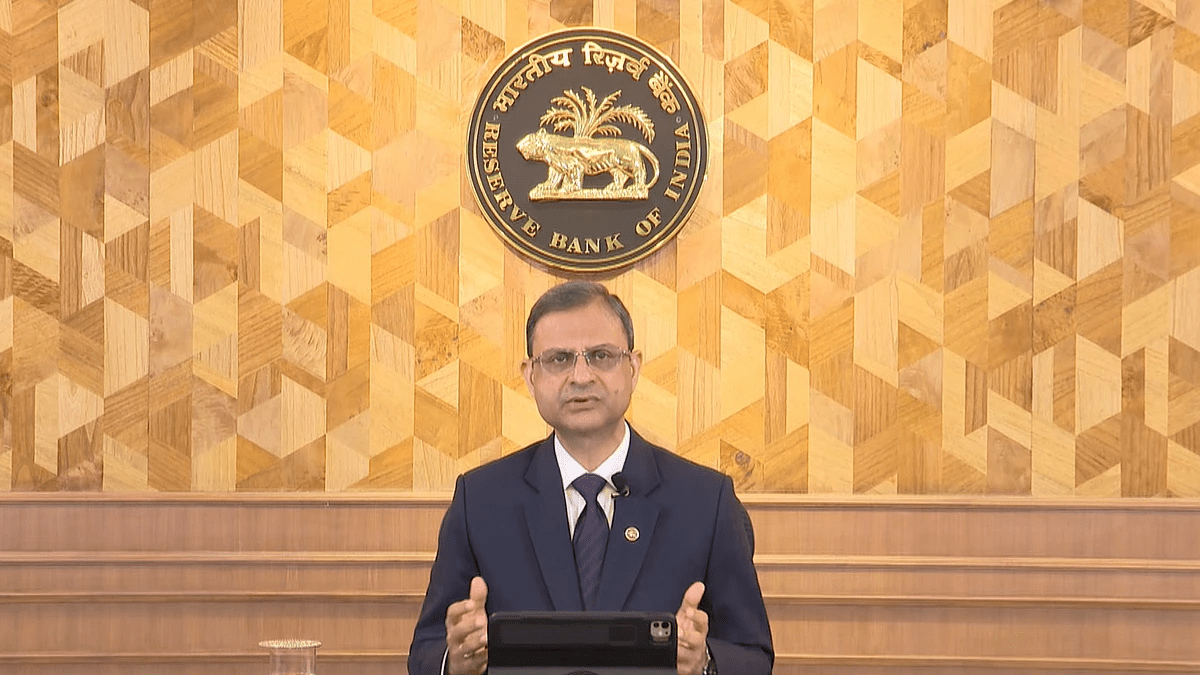
Now the Reserve Bank of India (RBI) delivered a sobering message Wednesday morning. Governor Sanjay Malhotra kept the key Repo rate unchanged at 5.25 per cent. Therefore, the central bank is choosing a cautious path amid global chaos. The Governor warned that the West Asia conflict might spike imported inflation. This geopolitical tension is likely to slow India’s growth in the coming year. Meanwhile, the RBI remains vigilant as energy prices fluctuate. The focus now shifts to protecting domestic stability.
Add businessleague.in as a Preferred Source


Also Read |Tamil Nadu Voter List Purge: 97 Lakh Names Deleted in SIR Phase 1
The Repo Rate Decision: Why 5.25%?
Now many investors expected a change in the policy rate today. But the Monetary Policy Committee (MPC) chose a steady hand. Therefore, the Repo rate remains at 5.25 per cent for now. Governor Malhotra says it is “prudent to wait and watch” the shifting global landscape.
First, core inflation pressures currently appear muted across the country. Thus, the RBI sees no immediate need for a hike. But the future trajectory remains highly uncertain.
Next, the central bank must balance growth with price stability. Raising rates now might hurt the post-war recovery efforts. Therefore, the status quo supports the current economic momentum.
Meanwhile, the MPC remains ready to act if data changes. They are closely monitoring incoming information from global markets. Thus, the “neutral” stance could shift by the next meeting.
Growth Obstacles: The West Asia Factor
So why is the RBI lowering its growth forecast? The RBI monetary policy FY2027 update predicts a drop to 6.9 per cent. This is a significant dip from the 7.6 per cent seen in FY2026.
First, the West Asia conflict acts as a major headwind. Therefore, high energy prices are draining domestic resources. This slows down industrial production and raises transport costs.
Next, global uncertainty leads to “risk aversion” among big investors. Thus, new projects might face delays or cancellations. This directly impacts the national growth rate.
Meanwhile, private consumption still shows strong momentum for now. But the Governor warns that high costs might eventually dampen this demand. Therefore, the 6.9 per cent target is a “cautious reality check.”
Imported Inflation: The Energy Price Spike
Now let’s talk about the cost of living. Governor Malhotra warns of a rise in “imported inflation.” This happens when the price of essential imports like oil increases. Therefore, your daily expenses could soon go up.
First, energy price pressures are at a multi-year high. Thus, the cost of manufacturing almost everything is rising. From plastics to fertilizers, the impact is widespread.
Next, look at the CPI inflation projection for FY2027. The RBI now expects it to reach 4.6 per cent. This is much higher than the 2.7 per cent seen in January.
Meanwhile, retail petrol prices have stayed stable so far. But the “pass-through” effect is starting in other fuel categories. Therefore, consumers should prepare for higher bills by late 2026.
Also Read |Tamil Nadu Voter List Purge: 97 Lakh Names Deleted in SIR Phase 1
Strait of Hormuz: A Threat to Supply Chains
So what is the biggest technical risk to the economy? The Governor specifically mentioned the Strait of Hormuz. Therefore, this narrow waterway is the center of RBI’s concerns.
First, disruptions here stop the flow of vital inputs. This includes oil, chemicals, and fertilizers. Thus, Indian agriculture and industry face a potential supply shock.
Next, international freight and insurance costs are skyrocketing. Shipping companies are charging more to enter high-risk zones. Therefore, the cost of importing raw materials is becoming unsustainable.
Meanwhile, the government is working to protect these supply chains. They have launched new measures to support exporters. But the duration of the conflict remains the biggest unknown factor.
The Rupee’s Rollercoaster: Market Interventions
Now the Indian Rupee has faced a tough year. It recently hit a record low of 95.22 against the dollar. Therefore, the RBI had to step in with strong measures.
First, the Governor reiterated the exchange rate policy. The RBI aims to smooth out “excessive and disruptive volatility.” Thus, they don’t target a specific price for the Rupee.
Next, the currency recovered to 92.56 on Wednesday. This happened after the US announced a two-week ceasefire. Therefore, market sentiment is improving slightly today.
Meanwhile, the Rupee depreciated more than average in 2025-26. This was despite India’s strong macroeconomic fundamentals. Thus, global “safe haven” demand for the dollar is the real culprit.
Remittance Flows and External Demand
So how does a war in the Middle East affect your family income? Many Indians live and work in the West Asia region. Therefore, their ability to send money home is at risk.
First, weaker global growth prospects dampen the demand for labor. Thus, workers might see lower wages or job losses. This leads to a reduction in crucial remittance flows.
Next, external demand for Indian goods is falling. If Europe and Asia slow down, our exports suffer. Therefore, the Current Account Deficit (CAD) might widen further.
Meanwhile, the RBI warns that a supply shock could become a demand shock. If people stop earning, they stop spending. Therefore, the medium-term outlook depends on a quick return to peace.
Also Read |Tamil Nadu Voter List Purge: 97 Lakh Names Deleted in SIR Phase 1
Domestic Consumption vs. Global Uncertainty
Now there is some good news in the report. High-frequency indicators show that the “momentum” is still strong. Therefore, Indians are still spending and investing locally.
First, robust private consumption continues to support the economy. People are still buying cars, homes, and electronics. Thus, the domestic market is holding up against the storm.
Next, investment demand remains healthy for now. Companies are still expanding their operations in India. Therefore, the internal “growth engine” is still firing.
But will this last? The Governor cautions that “heightened uncertainty” could change things. If people feel unsafe about the future, they will save rather than spend. Therefore, consumer confidence is the next big metric to watch.
RBI’s Resilience Strategy for 2027
So what is the plan moving forward? The RBI believes the economy is on a “stronger footing” than before. Therefore, India can withstand shocks better than it did in the past.
First, the central bank is maintaining a high level of foreign reserves. This acts as a shield against global currency wars. Thus, the Rupee has a safety net.
Next, the government’s support for supply chains is crucial. By protecting exporters, they keep the trade balance in check. Therefore, the impact of the conflict is partially mitigated.
Finally, the “wait and watch” approach is a sign of strength, not weakness. It shows the RBI won’t panic-react to temporary headlines. So the focus remains on long-term stability.
Common Questions Answered
What is the current RBI Repo rate for 2026? Now the Repo rate is 5.25 per cent. The MPC voted to keep it unchanged this Wednesday.
Why did the growth forecast for FY2027 drop? First, the West Asia conflict and high energy prices are the main reasons. Therefore, growth is now projected at 6.9 per cent.
What is “Imported Inflation”? So this happens when the price of imported goods like crude oil rises. Thus, it pushes up the overall cost of living in India.
How is the Rupee performing against the Dollar? The Rupee recovered to 92.56 today. It had previously hit a record low of 95.22.
Will my bank loan EMIs go up? Since the Repo rate is unchanged, your EMIs should remain stable for now. But watch for future RBI updates.
What is the impact of the Strait of Hormuz disruption? Next, it delays the arrival of key raw materials. This increases manufacturing costs and slows down industrial growth.
Also Read |Tamil Nadu Voter List Purge: 97 Lakh Names Deleted in SIR Phase 1
End….
Add businessleague.in as a Preferred Source
🙏 Support Independent Journalism
We keep news free for you.
Most readers support with ₹500 ❤️
or scan QR below

Voluntary contribution. No tax benefits.
DISCLAIMER
We have taken all measures to ensure that the information provided in this article and on our social media platform is credible, verified and sourced from other Big media Houses. For any feedback or complaint, reach out to us at businessleaguein@gmail.com