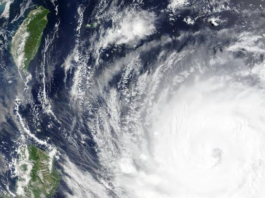
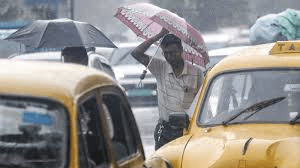
Now the latest India weather update offers a rare summer relief. The India Meteorological Department predicts “above normal” rainfall for May 2026. Therefore, most regions will escape the usual scorching daytime temperatures this month. Meanwhile, specific states like Gujarat and Maharashtra face intensifying heatwaves. Thus, the country prepares for a mixed month of stormy weather and extreme heat.
Add businessleague.in as a Preferred Source


Also Read |Tamil Nadu Voter List Purge: 97 Lakh Names Deleted in SIR Phase 1
Wetter May: The Rainfall Shield Explained
Now the summer of 2026 is behaving very differently. The India weather update released Friday shows a significant shift in patterns. Therefore, most parts of the country will enjoy “above normal” rainfall levels this month.
First, these frequent showers will prevent the mercury from hitting record highs in the day. Next, the cloud cover acts as a natural shield against the sun’s radiation. Thus, central and northern India might find this May much more bearable than previous years.
Meanwhile, the atmosphere is currently very active. Therefore, we expect more frequent troughs and storms throughout the coming weeks.
So what is causing this?
First, favorable troughs are developing in the upper atmosphere. Next, these systems are pulling in moisture from the surrounding seas. Thus, the pre-monsoon season is off to a very wet start.
Finally, this rain will help keep the “Loo” winds at bay in the plains.
Heatwave Alerts: States Under High Pressure
Now the news is not positive for everyone. The India weather update highlights several “red zones” where the heat will actually intensify. Therefore, residents in these areas must remain extremely cautious.
First, Southern Himachal and Uttarakhand are at risk. Next, the Eastern Coast, Maharashtra, and Gujarat face a major spike. Thus, these regions could see 3 to 8 extra days of intense heatwaves.
Meanwhile, daytime temperatures in the South Peninsula will remain above normal. Therefore, cities like Bengaluru and Hyderabad might not get the same relief as Delhi or Bhopal.
So why the difference?
First, the rainfall distribution is not uniform. Next, localized high-pressure zones are trapping heat in the west and south. Thus, the “shield” only works where the rain falls consistently.
Finally, these heatwaves are becoming more persistent each year.
Warmer Nights: The Climate Change Signature
Now we must address a worrying trend. While the days might stay cool, the nights are getting hotter. Therefore, the India weather update predicts “above normal” minimum temperatures for most regions.
First, IMD Chief Mrutyunjay Mohapatra spoke clearly about this shift. Next, he connected these warmer nights directly to the impacts of climate change. Thus, the planet’s overall warming is preventing our nights from cooling down.
Meanwhile, this “night heat” is dangerous for human health. Therefore, the body cannot recover from the daytime stress if the night is also warm.
So are there any exceptions?
First, the northwest and central parts of India might see normal night temperatures. Next, some northeastern areas could also stay slightly cooler. Thus, the inland regions have a small advantage this month.
Finally, this pattern confirms that the summer is becoming longer and more humid.
Also Read |Tamil Nadu Voter List Purge: 97 Lakh Names Deleted in SIR Phase 1
Western Disturbances: A Violent April Precedent
Now the rain is not always a blessing. The India weather update reminds us that Western Disturbances (WDs) can be violent. Therefore, we must look at the tragic events of last month.
First, seven WDs lashed the country in April. Next, these storms caused lightning and heavy rain that resulted in 24 deaths. Thus, the “cool down” comes with a high price.
Meanwhile, ten of those deaths occurred solely due to lightning strikes. Therefore, states like Andhra Pradesh and Odisha are on high alert.
So what should we expect in May?
First, the WDs are likely to remain frequent. Next, the combination of heat and moisture will trigger more thunderstorms. Thus, the threat of lightning remains a major concern for the rural population.
Finally, the Met department is urging farmers to seek shelter during sudden storms.
Southwest Monsoon: Early Arrival in Andaman
Now all eyes are on the horizon. The India weather update has provided the first key dates for the Southwest Monsoon. Therefore, the countdown to the rainy season has officially begun.
First, the monsoon is forecasted to reach the Andaman and Nicobar Islands soon. Next, the expected arrival window is between May 14 and May 20. Thus, the sea route for the monsoon is opening early this year.
Meanwhile, the mainland arrival is still a few weeks away. Therefore, the official forecast for Kerala will arrive in the second half of May.
So is this a “good” monsoon?
First, an early arrival is usually a positive sign. Next, it suggests that the atmospheric pumps are working well. Thus, the initial phase looks very promising for the islands.
Finally, the progress from Andaman to Kerala will be monitored daily.
The El Nino Alert: Why the Mainland Faces Risks
Now we must discuss the “Pacific threat.” The India weather update includes a significant El Nino alert. Therefore, the long-term outlook for the monsoon is actually “below normal.”
First, the El Nino effect is currently intensifying. Next, this phenomenon causes the Pacific Ocean’s temperature to rise. Thus, it historically disrupts the moisture flow toward India.
Meanwhile, this could lead to a dry July and August. Therefore, the heavy rain in May is even more important for soil moisture.
So can we still have a good year?
First, some El Nino years have seen normal rain due to other factors. Next, the Indian Ocean Dipole could offer some help. Thus, the Met department remains cautious but alert.
Finally, farmers should plan their sowing based on this “below normal” warning.
Also Read |Tamil Nadu Voter List Purge: 97 Lakh Names Deleted in SIR Phase 1
Delhi-NCR Update: Massive Temperature Swings
Now let’s look at the national capital region. The India weather update for Delhi-NCR shows extreme volatility. Therefore, residents are seeing “winter and summer” in the same week.
First, the mercury recently plummeted by a staggering 17°C in Noida and Ghaziabad. Next, this was caused by a sudden dust storm and hailstorm. Thus, the urban heat was wiped out in a single afternoon.
Meanwhile, these sudden drops can cause health issues. Therefore, the elderly and children should be careful of the fluctuating temperatures.
So will it stay cool?
First, the above-normal rain forecast suggests more such storms. Next, the dust might reduce air quality for short periods. Thus, May in Delhi will be a month of umbrellas and air purifiers.
Finally, the peak heat of 45°C might be delayed this year.
Lightning Safety: Lessons from Last Month
Now we must prioritize safety during this stormy May. The India weather update warns of frequent thunderstorms. Therefore, knowing what to do during a strike is vital.
First, if you hear thunder, you are within striking distance. Next, avoid standing under tall trees or near water bodies. Thus, you can significantly reduce your risk.
Meanwhile, stay away from electronic devices and metal objects. Therefore, go indoors to a “pucca” house if possible.
So why is this May more dangerous?
First, the higher moisture levels create more static in the air. Next, the frequent Western Disturbances provide the spark. Thus, we could see more lightning events than in a typical dry May.
Finally, remember that “when thunder roars, go indoors.”
Common Questions (FAQ)
1. Will it rain more than usual in India this May? Now yes. The India weather update from IMD predicts “above normal” rainfall for most parts of the country. Therefore, it will offer relief from daytime heat.
2. Which states will face severe heatwaves? First, Gujarat and Maharashtra are at the highest risk. Next, Uttarakhand and the Eastern Coast will also see more heatwave days. Thus, these regions should prepare for extreme temperatures.
3. When is the monsoon reaching India? Meanwhile, it will reach Andaman and Nicobar between May 14 and May 20. Therefore, the mainland arrival in Kerala is expected in early June.
4. Why are nights becoming warmer? So IMD Chief Mrutyunjay Mohapatra links this to climate change impacts. First, the earth is retaining more heat. Next, this prevented the night from cooling down naturally.
5. What is the impact of El Nino on the monsoon? First, it causes the Pacific to warm up. Next, this usually leads to “below normal” rainfall for the Indian mainland. Thus, the long-term forecast is cautious.
6. Is there a threat of lightning in May? Finally, yes. Frequent Western Disturbances will trigger storms. Therefore, people should follow lightning safety rules to avoid fatalities.
Also Read |Tamil Nadu Voter List Purge: 97 Lakh Names Deleted in SIR Phase 1
End….
Add businessleague.in as a Preferred Source
🙏 Support Independent Journalism
We keep news free for you.
Most readers support with ₹500 ❤️
or scan QR below

Voluntary contribution. No tax benefits.
DISCLAIMER
We have taken all measures to ensure that the information provided in this article and on our social media platform is credible, verified and sourced from other Big media Houses. For any feedback or complaint, reach out to us at businessleaguein@gmail.com