
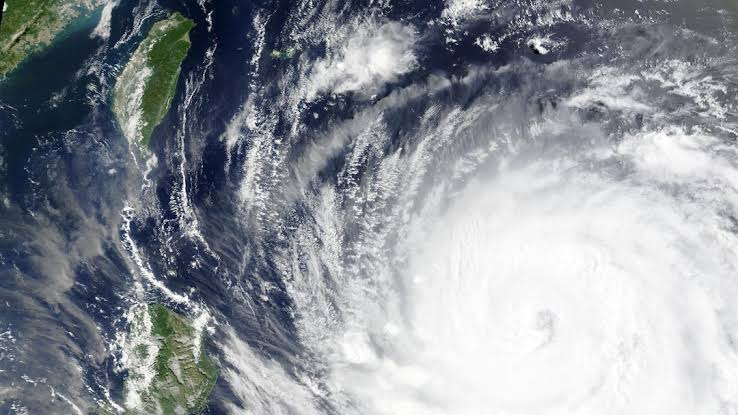
Framed as one of the largest storms to strike the region in decades, Typhoon Bavi paralyzes everyday operations across East Asia, triggering emergency mountain evacuations for over 14,000 residents in Taiwan.
TAIPEI — A massive meteorologic crisis is currently unfolding across East Asia as Typhoon Bavi—classified by meteorologists as one of the most physically imposing typhoons to threaten the region in decades—unleashes violent winds, intense flooding, and deadly geological disruptions.
Add businessleague.in as a Preferred Source


Also Read | Institutional Deficits Uncovered: Deconstructing the Ram Temple Donation Theft Row SIT Logs
The multi-nation crisis hit a grim peak on Friday when massive, rain-induced landslides ripped through vulnerable communities in the Philippines, killing at least 15 people. By Saturday, the storm’s core moved north, pummeling Japan’s southern islands with torrential downpours and devastating wind lines as it tracked directly toward a bracing Taiwan.
1. Regional Damage Map and Casualties
The immense scale of Typhoon Bavi has forced multiple governments to invoke emergency war-room protocols to protect coastal and high-altitude populations.
Typhoon Bavi Regional Crisis Grid:
🇵🇭 Philippines: 15 dead in sudden landslides ➔ 🇯🇵 Japan: Sakishima chain hammered by violent winds ➔ 🇹🇼 Taiwan: 14,000+ citizens evacuated from mountain zones
Breakdown of Localized Storm Impact
| Country Territorial Zone | Current Human Impact Metrics | Primary Meteorological Hazard |
| The Philippines | 15 Fatalities Confirmed | Massive overnight structural landslides that buried remote residential spaces. |
| Japan (Sakishima Island Chain) | Mass transport groundings; widespread flash flood warnings issued. | Violent, gale-force winds accompanied by intense cloudbursts. |
| Taiwan | 14,000+ Civilian Evacuations | Looming threat of a direct hit to the northern coast; high risk of mudslides. |
2. Emergency Lockdowns and Grid Standstills
Also Read | Institutional Deficits Uncovered: Deconstructing the Ram Temple Donation Theft Row SIT Logs
In Taiwan, central authorities have effectively shut down everyday administrative operations and public facilities ahead of Bavi’s northern approach. The island’s emergency response centers have focused heavily on remote, mountainous villages, successfully pulling out more than 14,000 citizens to prevent a repeat of the landslide tragedies observed in the Philippines.
Meanwhile, municipal tracking stations throughout Japan’s southern Okinawa and Sakishima island networks are warning residents to stay indoors. Civil defense personnel note that the combination of oversaturated soil and relentless wind gusts makes any outdoor activity extremely dangerous.
Chronology of the Extreme Weather System
The Pacific weather system rapidly evolved from an active tropical depression into a cross-border hazard within 48 hours.
Emergency disaster mitigation teams, military reserve branches, and medical networks across the entire regional corridor remain on highest standby as the storm system continues its unpredictable trek through the western Pacific.
Also Read | Institutional Deficits Uncovered: Deconstructing the Ram Temple Donation Theft Row SIT Logs
Add businessleague.in as a Preferred Source
🙏 Support Independent Journalism
We keep news free for you.
Most readers support with ₹500 ❤️
or scan QR below

Voluntary contribution. No tax benefits.
DISCLAIMER
We have taken all measures to ensure that the information provided in this article and on our social media platform is credible, verified and sourced from other Big media Houses. For any feedback or complaint, reach out to us at businessleaguein@gmail.com