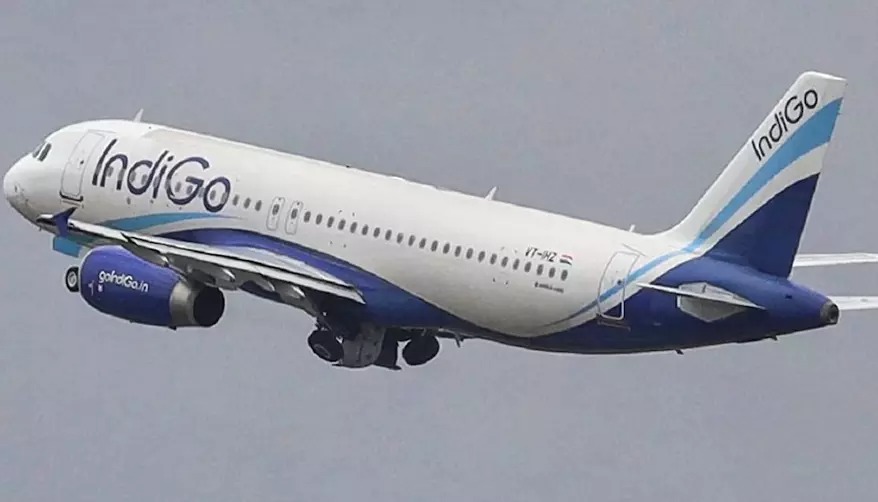
A high-level government inquiry committee submitted its findings on the IndiGo operational meltdown to the Civil Aviation Ministry on Friday evening, December 26, 2025. While the report’s contents remain strictly confidential, a parallel systemic review has exposed a startling reality: the airline reportedly had a surplus of nearly 900 pilots in November, suggesting that poor scheduling—not a crew shortage—was the primary driver of the crisis.
Add businessleague.in as a Preferred Source


The “Scheduling” vs. “Shortage” Debate
Despite IndiGo’s earlier claims that stricter Flight Duty Time Limitation (FDTL) norms triggered the cancellations, data submitted to the Directorate General of Civil Aviation (DGCA) reveals a different story. The airline employed 4,575 pilots in November to operate 307 aircraft—approximately 891 more than the 3,684 required under global best practices.
Experts and investigators now believe the breakdown was caused by “rostering failures,” where the airline’s internal systems failed to efficiently allocate its massive pilot pool under the new fatigue-management rules.
Read More | President Droupadi Murmu Releases Constitution of India in Santhali (2025)
Key Figures: IndiGo Operational Crisis & Manpower (2025)
| Metric | Recorded Data (Nov/Dec 2025) |
| Total Flight Cancellations | Over 5,000 in 6 days (Early Dec) |
| Total Pilots Employed (Nov) | 4,575 |
| Global Requirement Standard | 3,684 Pilots (6 sets per aircraft) |
| Pilot Surplus | +891 Pilots |
| Crew Utilisation Rate | 55% (of permitted 100 hrs/month) |
| Estimated Refunds Issued | Over ₹1,500 Crore |
DGCA Inquiry: Accountability & “Exemplary” Action
The inquiry committee, led by Sanjay K. Bramhane (Joint DG, DGCA), was tasked with identifying the “root causes” of the disruptions that stranded over 11 lakh passengers.
-
Confidentiality: The report has been shared with Aviation Minister K. Rammohan Naidu, but its specific recommendations are currently under wraps.
-
Potential Penalties: Officials have hinted at “exemplary” action, which could include record-breaking fines and the withdrawal of approval for certain top executives, including the airline’s accountable manager.
-
Scheduling Failure: The probe found that while international flights remained stable, the domestic network collapsed due to a failure in the Operations Control Centre (OCC) and a breakdown in trust between management and pilots.
Systemic Failure: A “Too Big to Fail” Concern
With IndiGo commanding over 64% of India’s domestic market share, the government is treating this as a systemic risk. The systemic review noted that the current pilot strength provides a “sizeable operational buffer” that should have comfortably absorbed the FDTL changes if the rostering had been properly managed.
Conclusion
The submission of the Bramhane committee report marks a critical turning point for India’s aviation sector. While the findings are private for now, the data clearly points toward internal mismanagement rather than regulatory constraints. The coming weeks will determine if the DGCA imposes the “stiffest penalties in history” to ensure such a collapse never repeats.
Read More | President Droupadi Murmu Releases Constitution of India in Santhali (2025)
Disclaimer: This report is based on information from the DGCA inquiry and internal documents accessed by major news outlets as of late December 2025. Official government actions are pending the review of the confidential report.
Add businessleague.in as a Preferred Source
🙏 Support Independent Journalism
We keep news free for you.
Most readers support with ₹500 ❤️
or scan QR below

Voluntary contribution. No tax benefits.
DISCLAIMER
We have taken all measures to ensure that the information provided in this article and on our social media platform is credible, verified and sourced from other Big media Houses. For any feedback or complaint, reach out to us at businessleaguein@gmail.com