
The Fed Cuts Rates: Global Liquidity is Here, But Rupee is Still Under Pressure
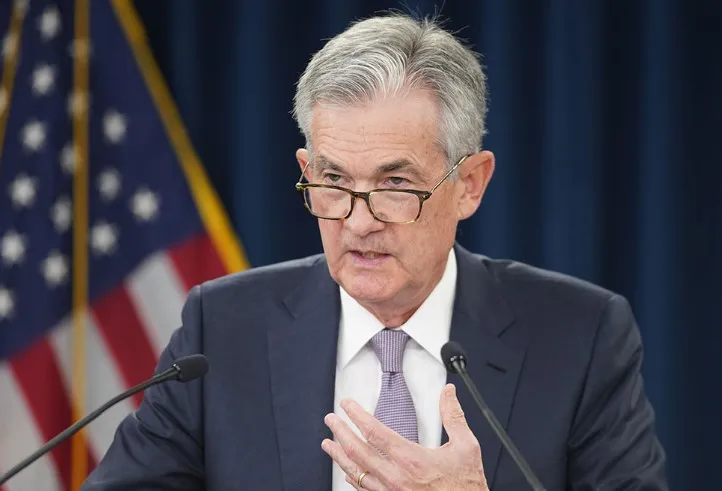
The US Federal Reserve just delivered a 25 basis point cut to the Federal Funds Rate, making borrowing cheaper globally and officially signaling a move toward policy easing. Historically, this floods emerging markets like India with capital. But let’s be real, the domestic factors—specifically the Rupee’s stubborn depreciation and ongoing FII selling—are complicating the textbook scenario.
Add businessleague.in as a Preferred Source


Also Read | Vinesh Phogat takes a U-turn from retirement, announces return to Olympics
The Good News: The Liquidity Wave
A lower Fed rate directly means lower US yields, which is the green light for investors to pull money out of the US and push it into higher-yielding emerging markets.
-
Capital Inflows: This is the primary benefit. Lower US yields make Indian corporate and government bonds—and equities—look far more attractive. Improved global liquidity generally gives the Sensex and Nifty a much-needed lift.
-
Cheaper Debt: For large Indian corporations in infrastructure, aviation, or telecom, External Commercial Borrowing (ECB) just got cheaper. A 25 bps cut saves millions on interest payments overseas.
-
Stock Market Bounce: Immediately following the cut, the Indian equity indices saw a rebound, snapping a three-day losing streak and climbing about 0.5%.
The Kicker: Domestic Headwinds Are Stronger
The problem is that the expected capital influx and Rupee strengthening haven’t materialized in full force due to other pressures:
-
The Rupee’s Struggle: Textbook economics says a Fed cut weakens the dollar, which should strengthen the Rupee (INR). The reality on the ground is different. The Rupee remains under massive pressure, hitting a new historic low against the US dollar recently, even crossing the 90 mark.
-
Split Cause-Effect: The Fed’s cut should help. And then domestic trade concerns and continued dollar demand followed, keeping the Rupee weak.
-
-
FPI Selling Continues: Despite the cut, Foreign Portfolio Investors (FPIs) are still sellers. They’ve been capping the upside and have sold shares worth over ₹18,000 crore this month so far. Local institutions are buying, creating a domestic cushion, but the foreign money is not yet convinced.
The Trade-Offs for India
| Impact | The Positive Reality | The Cautionary Reality |
| Inflation | A strong Rupee makes oil and other imports cheaper, helping cool inflation. | Right now, the weak Rupee is undermining this benefit, keeping import costs high. |
| Trade Balance | Cheaper imports help reduce the overall Current Account Deficit (CAD). | The weak Rupee makes Indian exports less competitive globally, hurting sectors like textiles. |
| RBI Policy | The RBI gets “space” to maintain a neutral or accommodative stance to support growth domestically. | The need to manage excess liquidity from potential inflows and ongoing Rupee volatility means the RBI must be ready with OMOs or forex intervention. |
The Fed’s cut is a positive signal for global liquidity, but for India, the full benefit remains hostage to the currency’s weakness and the actions of foreign investors.
Also Read | Vinesh Phogat takes a U-turn from retirement, announces return to Olympics
Disclaimer: This analysis reflects the immediate impact of the US Fed rate cut and market movements as of December 12, 2025. Economic outcomes can shift rapidly based on subsequent data and domestic policy responses.
Add Businessleague.in as a Preferred Source 
Add businessleague.in as a Preferred Source
🙏 Support Independent Journalism
We keep news free for you.
Most readers support with ₹500 ❤️
or scan QR below

Voluntary contribution. No tax benefits.
DISCLAIMER
We have taken all measures to ensure that the information provided in this article and on our social media platform is credible, verified and sourced from other Big media Houses. For any feedback or complaint, reach out to us at businessleaguein@gmail.com