Rupee Panic: Breaks 90 Mark, RBI Steps In (Again)
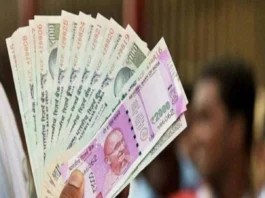
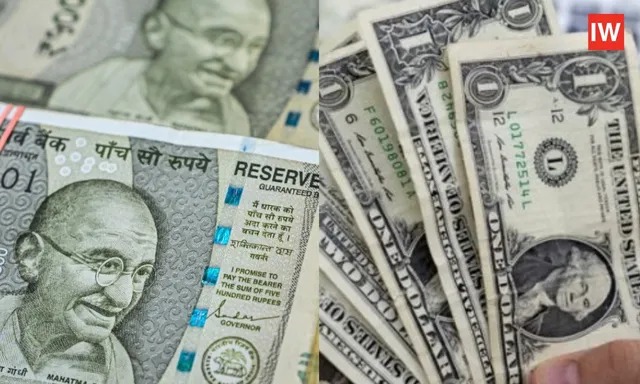
The rupee is in a free-fall, and today it crashed through a critical psychological barrier—it hit a fresh record low of 90.4675 against the US dollar. That’s a serious number. It beats the previous low of 90.42 set just a week ago on December 4. The thing is, this is an ongoing crisis.
Add businessleague.in as a Preferred Source


Also Read | School Holidays: Winter Break Declared for Students in J&K, Rajasthan
X happened (the rupee broke 90). And then Y followed (the RBI had to step in immediately to stabilize the market).
Here’s the breakdown from the ground:
The Currency Meltdown
-
New Low: 90.4675 versus the dollar. It’s now worth 50% less than its 2011 value.
-
Worst Performers: The rupee is down over 5% in 2025. This makes it the third-worst performer among 31 major currencies, beaten only by the Turkish lira and Argentina’s peso. Let’s be real, that’s terrible company to keep.
-
The Irony: This massive depreciation is happening even though the dollar’s overall strength measure has actually reduced by more than 7% globally. This shows the weakness is homegrown, or nothing.
Why the Rupee is Bleeding
It’s a cocktail of trade and capital issues:
-
US Trade Deal Failure: The lack of a successful trade agreement with the Donald Trump administration continues to be a massive weight on the currency.
-
Hefty Tariffs: The 50% US tariffs on Indian goods are hurting exports and widening the trade deficit.
-
Corporate Demand: There’s increased demand for dollars from corporations trying to settle their end-of-year international payments.
-
Foreign Capital Outflow: Foreign capital is still leaving the market.
The RBI Intervention
When the rupee hits a fresh low, the RBI is forced to act. Traders reported that the Reserve Bank of India (RBI), led by Governor Sajay Malhotra, stepped in on Thursday to stem the fall.
-
The Strategy: The RBI uses India’s capital controls to intervene in both domestic and international markets. In global markets, they primarily use non-deliverable forwards (NDFs)—derivatives contracts that set exchange rates with dollar settlements—operating across hubs like Singapore, Dubai, and London.
-
The Challenge: The RBI has to maintain a balance. They can’t intervene too aggressively and drain their foreign reserves, but they can’t sit back and let the currency spiral out of control. It’s a delicate challenge for Governor Malhotra and his team.
The pressure on the central bank is enormous right now to find a way to maintain stability without triggering a larger financial issue. This is an ongoing economic battle.
Also Read | School Holidays: Winter Break Declared for Students in J&K, Rajasthan
Disclaimer: This information is based on public financial reports and commentary from market traders, and should not be taken as financial advice.
Add Businessleague.in as a Preferred Source 
Add businessleague.in as a Preferred Source
🙏 Support Independent Journalism
We keep news free for you.
Most readers support with ₹500 ❤️
or scan QR below

Voluntary contribution. No tax benefits.
DISCLAIMER
We have taken all measures to ensure that the information provided in this article and on our social media platform is credible, verified and sourced from other Big media Houses. For any feedback or complaint, reach out to us at businessleaguein@gmail.com