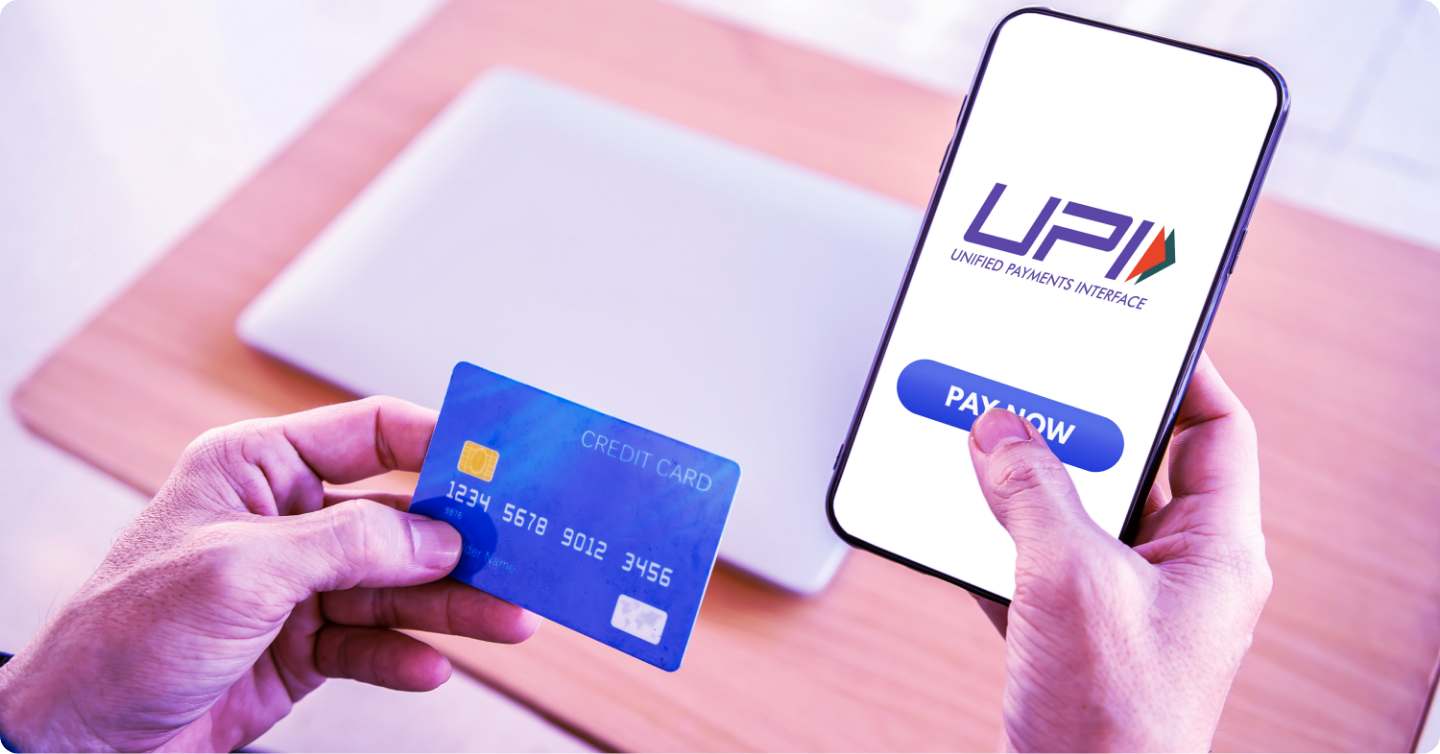
Now the underlying architecture of domestic consumer finance is undergoing a massive evolutionary pivot. A highly detailed review of the retail banking transaction system emerged from central accounting desks Wednesday evening. Specifically, the rapid growth of the Unified Payments Interface has fundamentally rewritten previous settlement behaviors across the country. Digital infrastructure fields are expanding beyond traditional point-of-sale hardware terminals. Therefore, prominent commercial enterprise managers are reconfiguring their frontend checkout systems to align with shifting public spending patterns today.
Add businessleague.in as a Preferred Source


Today, changing technological options are forcing a serious evaluation of transaction safety standards. Top industry analysts shared these precise evaluation metrics during an extensive media brief. Officials want to guide retail shoppers toward appropriate payment choices based on transaction scale.
Unquestioned reliance on physical plastic cards is officially a dead concept.
Also Read |Tamil Nadu Voter List Purge: 97 Lakh Names Deleted in SIR Phase 1
The Payment Revolution: Analyzing the Central Bank Report
Now the operational visibility of national financial flow networks altered completely over the past fiscal quarter. The current expansion of the retail banking transaction system follows a highly detailed half-yearly payment monitoring dispatch released by the central banking authority. Therefore, international fintech venture groups are modifying their development budgets to match local consumer preferences accurately.
Officials say the domestic clearing hubs must process immense data loads without experiencing server dropouts during holiday surges. Before Wednesday’s transactional data dispatches dropped, traditional banking houses prioritized expanding their offline branch machinery. Now, the central registry shows that mass retail spending relies almost entirely on virtual application layers. Thus, the country strengthens its digital transmission pipelines before upcoming e-commerce festivals strain the underlying ledger entries.
“The system performance demonstrates exceptional scalability this season,” a leading financial technology developer stated online. Still, the rapid deployment leaves peripheral credit institutions facing intense competition for consumer mindshare.
The Volume Matrix
First, consider the incredible concentration of volume documented inside the latest tracking logs. The active parameters of the modern retail banking transaction system show instant mobile codes processing over 24,000 crore entries this fiscal year. Next, look at the historical timeline of this transformation. This massive movement represents nearly 85 percent of all retail digital exchanges nationwide.
So the platform anchors national commerce securely.
Notably, shifting millions of daily buyers away from paper money demands total system reliability at the retail counter. In this instance, the massive footprint of the retail banking transaction system protects merchants from dealing with loose change shortages. As a result, everyday consumers can execute micro-purchases across remote rural outposts without facing transaction delays.
The Market Climate
大量 of local shopkeepers upgraded their terminal processing applications early today to handle the evening shopping rush safely. Because of the high stakes, a minor error inside the automated settlement loop would freeze daily working capital for small transport vendors.
Otherwise, the central administrative offices maintained a rigid focus on expanding the secure clearing pathways. Directors refused to pause the transition toward digital wallets due to legacy terminal costs. Thus, the payment network enters the summer phase with complete analytical validation.
How Volume Diverges From Value Inside Electronic Clearing
Now we must examine the internal structural divisions that define our national payment frameworks today. The base execution of the retail banking transaction system splits into two entirely separate operational profiles. Therefore, central banking managers use distinct accounting metrics to evaluate large-value transfers versus mass public spending.
The Value Split
First, look at the definitive numbers arriving from the central banking authority’s payment systems report. While instant mobile codes claim 85.5 percent of the net volume, their share of total settlement value settles around 9.5 percent. Next, think about the performance profiles logged by legacy electronic clearing methods like National Electronic Funds Transfer.
So NEFT structures capture a comfortable 14.9 percent of the aggregate value market space.
The RTGS Apex
Meanwhile, the Real Time Gross Settlement architecture commands an incredible 68.6 percent of the total value pool. This system operates with absolute stability despite processing a minimal volume share of just 0.1 percent.
Consequently, the fresh developments inside the retail banking transaction system highlight a highly balanced environment. The state maintains specialized pathways for enterprise-level corporate clearings alongside public retail checkouts. Thus, each transaction profile travels down an optimized pipeline.
Day-to-Day Speed: Why Instant Mobile Codes Own the Grocery Lane
Now the practical convenience of immediate digital transfers is redefining how local neighborhoods handle their daily logistical expenses. The accelerating velocity of the retail banking transaction system relies heavily on the simplicity of smartphone interactions. Therefore, small retail aggregators are phasing out cash boxes completely this summer.
The Local Advantage
First, instant QR scans provide the perfect transactional medium for high-frequency, small-value household items. Consumers prefer using this path to clear immediate grocery bills, utility invoices, and local merchant fees without carrying heavy wallets. Next, look at the strategic comments shared by plutos ONE corporate leadership during a recent financial brief.
So Founder and CEO Rohit Mahajan confirmed that speed dictates choice at the counter.
Eliminating Friction
“The system changes quickly because people choose how to pay based on context,” Mahajan explained during his presentation. This reality means that instant mobile applications have effectively won the daily retail race.
Think again if you think traditional plastic cards can match this level of frictionless interaction at local neighborhood kiosks. In reality, scanning a public bar code takes a fraction of the time required to slide a card through an external reader. Therefore, the micro-spending space remains fully dominated by mobile code links.
Also Read |Tamil Nadu Voter List Purge: 97 Lakh Names Deleted in SIR Phase 1
The Budget Anchor: Retaining Control Through Account Deductions
Now separate utility considerations are guiding conservative consumer classes toward older payment tools today. The target parameters of the retail banking transaction system include specific features that help individuals maintain long-term financial discipline. Therefore, personal accounting advisers continue to recommend direct bank account links for standard monthly obligations.
The Debit Firewall
First, executing an exchange with a traditional debit card triggers an immediate deduction from your active checking balance. This behavior prevents the consumer from entering un-authorized debt fields during impulsive shopping runs. Next, look at the psychological advantage provided by this direct deduction structure.
The individual faces a clear hard boundary based on actual cash reserves held inside the bank.
| Payment Utility | Primary Volume Share | Core Strategic Advantage |
| Instant UPI Link | 85.5% Volume Peak | Unprecedented speed and absolute ease of use for small mass retail purchases |
| Traditional Debit Card | Moderate Utility Base | Direct balance deduction helps consumers maintain strict daily financial discipline |
| Premium Credit Asset | Value-Driven Share | Access to advanced reward loops, EMI flexibility, and heavy consumer protection |
Gone are the days of managing a household budget without matching your transaction tools to your real cash capabilities.
Credit Frameworks: Accessing Rewards and Consumer Protection
Now high-value purchases require using a completely separate transactional philosophy inside the modern marketplace. The evolving trajectory of the retail banking transaction system features significant advantages for users who leverage credit balances intelligently. Therefore, affluent shopping segments prefer utilizing institutional lines to clear major travel reservations.
The Incentive Matrix
First, top-tier credit instruments provide immediate access to extensive points programs, cashback rewards, and interest-free installment options. These financial perks allow smart spenders to maximize the purchasing power of their monthly salary allocations. Next, look at the critical shield provided by institutional consumer protection rules during online disputes.
So the credit network operates with an extra layer of structural safety.
The Safety Layer
Consequently, when an online merchant fails to deliver an authorized product, credit card holder rules allow for fast chargeback resolutions. The bank effectively protects your personal funds by fighting the transaction dispute using its own corporate legal teams. Thus, the credit track remains the preferred path for complex online transactions.
Advanced Safety Metrics and the Reality of Point-of-Sale Scams
Now the ultimate selection of a payment tool requires analyzing real security data from the international marketplace. The changing metrics of the retail banking transaction system find a grim parallel across recent financial fraud tracking reports. Therefore, understanding system defenses remains essential for securing your savings.
The Fraud Shield
First, instant mobile connections eliminate the risk of physical card skimming at compromised point-of-sale systems. A user never hands over their permanent account numbers to an untrusted terminal clerk during a standard QR exchange. Next, look at how the different payment tools compare when an absolute security breach occurs.
So a credit card transaction ensures that your primary checking vault stays completely untouched.
The Final Balance
“You must choose your payment method based on the product, transaction size, and required consumer protection,” Mahajan concluded during his financial summary.
Simple as that.
The combination of high-velocity mobile codes, disciplined debit frameworks, and protective credit lines creates a resilient multi-track system. Thus, the comprehensive deployment of the retail banking transaction system secures the consumer financial horizon safely.
Meanwhile, the payment gateways continue to route the data.
Also Read |Tamil Nadu Voter List Purge: 97 Lakh Names Deleted in SIR Phase 1
End…
Add businessleague.in as a Preferred Source
🙏 Support Independent Journalism
We keep news free for you.
Most readers support with ₹500 ❤️
or scan QR below

Voluntary contribution. No tax benefits.
DISCLAIMER
We have taken all measures to ensure that the information provided in this article and on our social media platform is credible, verified and sourced from other Big media Houses. For any feedback or complaint, reach out to us at businessleaguein@gmail.com