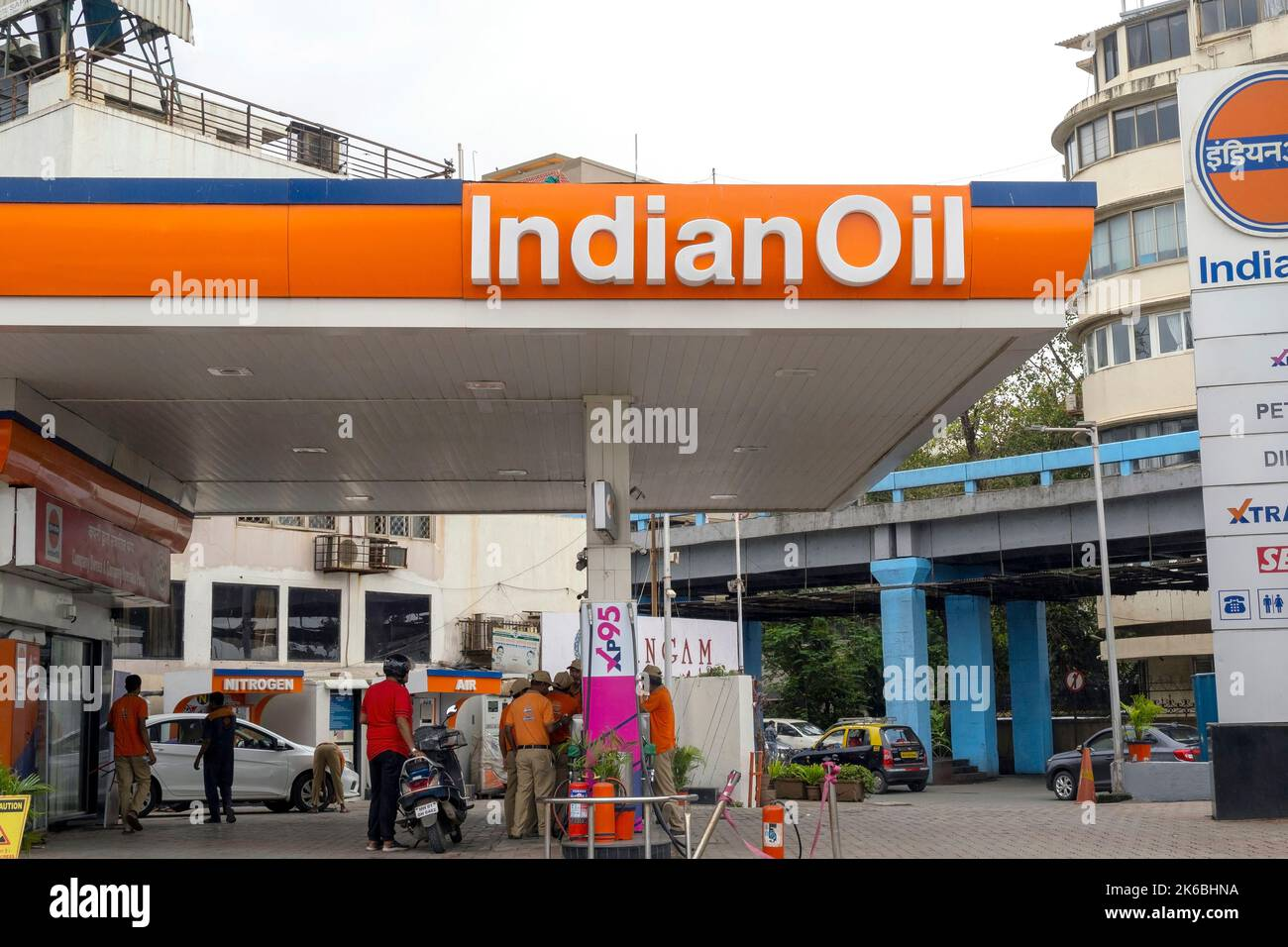
Now the internal logistics networks and energy supply chain architectures safeguarding India’s multi-billion dollar economic expansion are demonstrating robust structural resilience despite volatile international shifts. Senior government representatives formally verified that the country faces an absolute zero shortage of petrol, diesel, or liquefied petroleum gas ( LPG ). This critical national inventory update moved to the forefront of economic briefings on Thursday, May 21, 2026. Therefore, corporate supply chain directors and regional transport administrators are tracking localized oil marketing operations with total confidence. Following minor distribution distortions at scattered filling points, executing swift oversight interventions has transformed into an absolute mechanical necessity to protect everyday consumers from artificial retail hoarding practices.
Add businessleague.in as a Preferred Source


Also Read |Tamil Nadu Voter List Purge: 97 Lakh Names Deleted in SIR Phase 1
At a Glance: National Fuel Inventory & Global Price Insulation Matrix
| FUEL AVAILABILITY NODE | STATE CURRENT DISTRIBUTION TRACK | EXTERNAL SUPPLY STABILITY INDEX | RETAIL PRICE CORRECTION RATIO |
| Premium Petrol Lines | 100% Full municipal replenishment | Unbroken crude imports from Russia | Minor ₹3.91 adjustment (4.4% rise) |
| High-Speed Diesel Base | Scaling up for harvesting sectors | Maximizing native refinery run times | Controlled margin recovery loops active |
| Domestic LPG Cylinders | Zero inventory delays recorded | Secured long-term processing reserves | Insulated from volatile spot pricing |
| Private Outlet Inflows | Shifting demand to public stations | Managing high international spot overheads | Trading roughly ₹20 higher per liter |
The Supply Mandate: Pulling Up Complacent Retail Outlets Nationwide
Now the regulatory directives issued by the Ministry of Petroleum and Natural Gas establish a highly aggressive verification sequence across all regional distribution terminals. Ground feedback indicates that a small selection of private or independent outlets attempted to restrict sales to manipulate local inventory metrics. Therefore, state enforcement panels are actively auditing separate fuel station logs to ensure that civilian commuters receive un-restricted access to fuel pumps.
First, the core oversight program handles real-time complaints submitted by motorists encountering sudden pump closures or artificial rationing limits. Next, any retail location discovered withholding fuel or serving reduced quantities faces immediate, severe administrative actions from district authorities. Thus, the mechanical necessity of maintaining continuous, open transport fuel options for the public is perfectly achieved across all states.
So the centralized inspection teams are deploying smart automated tracking scripts to monitor the real-time underground tank levels of suspect filling stations. This disciplined oversight blocks local block managers from hoarding fuel volumes in anticipation of future international price adjustments. Meanwhile, public grievance web portals are processing user feedback rapidly to direct field inspectors straight to problem spots within hours. Therefore, the strict enforcement actions establish an exceptionally confident operational baseline that protects the consumer public from facing artificial scarcity scares.
The Russian Crude Substrate: Shielding Domestic Refineries from Global Shockwaves
Nowhere does the execution of sound macroeconomic energy planning show higher precision than across the sovereign crude oil procurement schedules managed by central trading desks. While global maritime lanes encounter deep security disruptions, the country has successfully protected its foundational manufacturing inputs by maintaining highly stable purchase agreements. Therefore, domestic refinery controllers can run their massive processing blocks continuously without experiencing structural raw material slowdowns.
First, look at the primary import ledger: data records confirm that there has been zero reduction in heavy crude imports arriving from Russian ports. Next, this steady inflow guarantees that the processing plants run by state-owned oil marketing corporations stay fully loaded with essential raw inputs. Thus, the mechanical necessity of securing vast, low-cost crude reserves is completely fulfilled, keeping the nation’s energy security tightly insulated from external blockades.
[Un-Interrupted Russian Crude Cargo Arrivals] ──► Feeds Large Public Sector Refining Complexes Directly
                                                          │
                                                          ▼ (The High-Velocity Processing Phase)
[Refineries Manufacture Full Fuel Volumes]     ──► Replenishes Urban Petrol, Diesel and LPG Reserves
                                                          │
                                                          ▼
[Retail Filling Stations Restocked Cleanly]    ──► Wipes Out Local Shortage Rumors Across All Domestic Outlets
So this strong supply line allows domestic refining complexes to produce massive volumes of clean petrol and high-speed diesel around the clock. This successful resource allocation prevents localized logistics networks from experiencing sudden supply drops that could slow down factory lines. Central ballistics and tracking teams are continuously verifying the safety of these northern sea tracks to ensure transport continuity. Therefore, analyzing the Russian crude substrate clearly exposes the deep structural foundations that protect the domestic energy grid.
Also Read |Tamil Nadu Voter List Purge: 97 Lakh Names Deleted in SIR Phase 1
The Harvesting Surge: Analyzing the Seasonal Diesel Demand Explanations
Now performing a comprehensive regional demand audit reveals that the localized rush at specific filling centers stems from natural, highly positive agrarian growth cycles. The interior plains of northern and central states are currently entering the peak periods of the spring harvesting schedule. Therefore, farming families are scaling up their collective tractor operations, requiring significantly higher volumes of high-speed diesel to power heavy agricultural machinery.
-
The Agrarian Consumption Metrics Under Review:
-
Harvesting Overdrive: Rapidly expanding field tractor hours to complete crop cutting before early summer rains initialize.
-
Pump Inventory Shifting: Shifting massive fuel volumes toward rural distribution boxes to support farming centers.
-
Local Order Bottlenecks: Creating brief, temporary queues at rural junctions as fuel trucks unload fresh stocks.
-
Supply Prioritization: Directing state dispatch centers to prioritize agricultural areas to maximize national food security yields.
-
First, this seasonal consumption spike represents a routine, predictable expansion that happens every single year as harvesting operations ramp up. Next, state-owned distribution centers are rapidly re-routing loaded supply trucks to farming hubs to clear local order bottlenecks within hours. Thus, the system effectively meets the increased energy needs of the farming community while keeping standard city transit lines completely open.
Commercial Migrations: Why Institutional Buyers Flooded Retail Pumps
Now crossing away from agricultural zones toward commercial retail management lines reveals a massive, highly unique structural customer migration trend. Private international oil marketing corporations, facing high acquisition expenses on open global spot markets, recently raised their pump prices to protect corporate margins. Therefore, everyday retail consumers and massive fleet operators are rapidly exiting private stations to crowd into public sector fuel hubs.
-
The Price Disconnect Driving Passenger Shifts:
-
Private Tariff Hikes: Private fuel brands charging higher rates to compensate for volatile spot market conditions.
-
Public Sector Savings: Public stations maintaining accessible, state-backed pricing grids to shield citizen drivers.
-
Institutional Flow Inversion: Heavy commercial buyers abandoning bulk wholesale contracts to purchase fuel directly at public retail pumps.
-
Bulk Pricing Disparity: Bulk wholesale fuel commands a ₹20 premium per liter based on raw international pricing formulas.
-
First, this deep pricing disparity means that large transport companies can save thousands of rupees by sending their commercial truck fleets straight to public neighborhood pumps. Next, this unexpected influx of high-volume buyers created brief, sudden supply drawdowns at standard street stations. Thus, the mechanical necessity of adjusting daily fuel dispatch models is actively handled by state dispatchers to rebalance inventory across affected cities.
[Private Outlets Raise Rates Due to Spot Overhead]──► Pushes Heavy Institutional Buyers Off Wholesale Accounts
                                                                │
                                                                ▼ (The Retail Market Shift)
[Commercial Fleets Flood Public Sector Pumps]       ──► Seeks Lower-Cost Fuel to Escape the ₹20 Wholesale Premium
                                                                │
                                                                ▼
[Public Pumps Face Temporary Volume Spikes]          ──► Forces State Warehouses to Double Daily Tanker Refill Deliveries
So this massive shift in purchasing patterns proves that public sector distribution channels are providing an essential financial shield for local transport businesses. Logistical teams are utilizing dynamic dispatch tools to track high-volume urban stations to deliver extra product loads before pumps run dry. This careful tracking ensures that independent truck drivers can maintain their delivery timelines without encountering unexpected pricing hurdles. Therefore, the commercial migration parameters explain the transient morning crowds without indicating any actual structural fuel shortages.
The 76-Day Cost Absorption: Inside IndianOil’s Tariff Management Framework
Now expanding the financial analysis of current fuel pricing blueprints exposes an incredible corporate cost-absorption effort executed by state-backed entities. An official from IndianOil pointed out that the recent minimal increase of ₹3.91 per litre restores only a minor fraction of true international raw input values. Therefore, financial analysts are praising the state energy sector for acting as a massive cushion that protects the broader economy from facing severe price shocks.
-
The Corporate Tariff Absorption Metrics:
-
The 76-Day Freeze: Absorbing 100 per cent of soaring global crude volatility loops for seventy-six consecutive days.
-
The Price Adjustment: Introducing a controlled, minor upward correction working out to exactly a 4.4 per cent margin.
-
The Economy Protection: Blocking international energy inflation from driving up the retail costs of local consumer goods.
-
Sovereign Capital Cushion: Utilizing corporate financial buffers to shield the public from volatile market drops.
-
First, this extended price freeze means that local manufacturing firms and logistics networks enjoyed completely stable fuel inputs through a highly volatile geopolitical season. Next, when the minor price adjustment finally moved forward, it was calculated precisely to prevent triggering sudden panic across local financial registries. Thus, the system beautifully satisfies the delicate balance of preserving corporate oil health while providing total cost protection to citizen consumers.
Also Read |Tamil Nadu Voter List Purge: 97 Lakh Names Deleted in SIR Phase 1
How India Mitigated Extreme Inflationary Spikes
Now the final definitive framework confirming the extreme success of the country’s energy insulation strategy is visible across global fuel data charts. Figures compiled by elite tracking registry GlobalPetrolPrices.com confirm that India’s 4.4 per cent adjustment marks the smallest price increase implemented by any major economy. Therefore, international financial rating agencies treat the domestic model as an exceptional template for smart inflation mitigation worldwide.
First, look at adjacent developing market blocks: the Pakistani consumer is facing a brutal 55 per cent surge for petrol compared to three months ago. Next, look at the parallel leaps: the Malaysian citizen pays 56 per cent more, Emirati consumers handle a 52 per cent jump, while advanced western hubs like the US logged a near 45 per cent acceleration in fuel costs. Thus, the mechanical necessity of maintaining absolute internal stability is fully met, keeping the domestic economy tightly locked into safe performance coordinates through 2026.
[Global Crude Prices Skyrocket Past Old Limits]──► Forces International Markets to Spike Rates by 10% to 90%
                                                               │
                                                               ▼ (The Sovereign Indian Insulation Move)
[State Refineries Absorb Volatility for 76 Days]   ──► Restricts Local Price Increases to a Low 4.4% Baseline
                                                               │
                                                               ▼
[Domestic Manufacturing Costs Stay Secure]         ──► Shields Local Consumer Wallets from Facing Global Inflation Shocks
So the unified approach chosen by the central government ensures that upcoming stable distributions will proceed with absolute compliance and zero inventory blocks. This disciplined regulatory posture blocks bad-faith speculation from distorting utility pricing matrices during heavy summer harvesting cycles. Meanwhile, regional distribution hubs are expanding their container tracking fleets to keep incoming fuel deliveries running with zero operational bottlenecks. Therefore, the comprehensive structural updates confirm that India’s energy architecture remains perfectly locked into absolute readiness coordinates through the changing global landscape of the current year.
FAQ: Understanding India’s 2026 Sovereign Fuel Security Parameters
1. Is there an active shortage of petrol, diesel, or LPG inside India today? Now, senior government officials have confirmed that there is absolute zero shortage of petrol, diesel, or LPG across the country.
2. What administrative actions face retail outlets that refuse to dispense full fuel quantities? First, any petrol pump discovered withholding fuel or serving reduced amounts is being pulled up with strict compliance penalties by state enforcement lines.
3. Has India cut back its crude oil imports from Russia due to ongoing global tensions? So, no. Officials verified that full supply lines and imports from Russia are being maintained at maximum capacity with zero reductions.
4. Why are public sector petrol pumps experiencing temporary crowds and volume surges this week? Next, crowds are driven by harvesting season diesel demands and a massive customer shift from high-priced private stations to public pumps.
5. How long did public sector oil companies completely absorb global crude price shocks? Now, state-backed companies like IndianOil fully absorbed all international volatility loops for 76 consecutive days before altering prices.
6. How does India’s recent fuel price increase compare to alternative global markets? Finally, India’s minor ₹3.91 adjustment (4.4%) is the smallest hike of any major economy outside the directly subsidizing Gulf states.
Also Read |Tamil Nadu Voter List Purge: 97 Lakh Names Deleted in SIR Phase 1
End…
Add businessleague.in as a Preferred Source
🙏 Support Independent Journalism
We keep news free for you.
Most readers support with ₹500 ❤️
or scan QR below

Voluntary contribution. No tax benefits.
DISCLAIMER
We have taken all measures to ensure that the information provided in this article and on our social media platform is credible, verified and sourced from other Big media Houses. For any feedback or complaint, reach out to us at businessleaguein@gmail.com