


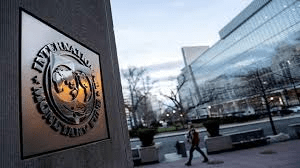
Now the International Monetary Fund issued a stern warning. Asian economies face a severe hit from Middle East tensions. Therefore, the region is more vulnerable than any other territory. This vulnerability stems from a heavy reliance on energy imports. Specifically, Asia buys most of its oil from the Middle East.
Add businessleague.in as a Preferred Source


Meanwhile, IMF officials say the impact could be double. It involves both higher prices and supply shortages.
But the region entered 2026 with some strength.
Also Read |Tamil Nadu Voter List Purge: 97 Lakh Names Deleted in SIR Phase 1
Why Asia Faces a Sharper Hit
Now let’s look at the raw data. Asia relies on imported fuel more than Europe. Therefore, any disruption in the Persian Gulf hits Asia first.
The GDP Energy Ratio
First, oil and gas usage is critical here. It accounts for about 4% of Asia’s total GDP. Thus, this is nearly twice the European average.
Next, domestic production in Asia remains very limited. Net imports of energy stand at 2.5% of GDP. Therefore, most countries cannot drill their way out.
“This is a shock which will affect Asia more,” Krishna Srinivasan said. He is the Director of the IMF’s Asia-Pacific department.
Supply Chain Exposure
Meanwhile, the transport routes are a major concern. Most Asian oil passes through narrow sea lanes. Thus, a blockade would stop the flow entirely.
So the region cannot easily find new suppliers.
The Price vs. Quantity Shock
Now the IMF explains that this isn’t just about expensive gas. It is a “non-linear” threat to the entire system. Therefore, the region faces two distinct problems.
The Price Impact
First, higher crude prices drive up transport costs. This makes every imported good more expensive. Thus, consumers feel the pinch at the grocery store.
The Quantity Impact
Next, physical shortages are a real possibility. If ships cannot sail, the fuel simply isn’t there. Therefore, factories might have to shut down.
“This could lead to greater non-linearities,” Srinivasan explained. He means small shocks could cause massive failures.
GDP Growth Projections for 2026-2027
Now the IMF still maintains a base-case scenario. They expect a slight easing of growth. Therefore, the current outlook remains cautiously optimistic.
Growth Easing
-
2025: 5% Growth (Actual)
-
2026: 4.4% Growth (Projected)
-
2027: 4.2% Growth (Projected)
First, these numbers assume the conflict stays contained. But a prolonged war changes everything. Then, growth could drop by 1 to 2 percentage points.
Thus, cumulative losses could be staggering by 2027.
Economic Strain
Meanwhile, external balances will face pressure. Countries will spend more on imports than they earn. Therefore, national currencies might weaken against the dollar.
Also Read |Tamil Nadu Voter List Purge: 97 Lakh Names Deleted in SIR Phase 1
Inflation Trends and Central Bank Action
Now inflation is set to return to Asia. It was low in 2025 at just 1.4%. Therefore, the jump in 2026 will feel sudden.
Projected Inflation Rates
First, the IMF predicts 2.6% inflation for 2026. Then, it might ease to 2.4% by 2027. Thus, the era of ultra-cheap prices is over.
The Policy Response
Next, central banks must stay very agile. They cannot ignore rising energy costs forever. Therefore, they may need to raise interest rates.
“Be very careful,” the IMF advised policymakers. They must stop inflation expectations from getting “unanchored.”
So higher rates might be necessary soon.
Manufacturing and Food Security Risks
Now the energy shock affects more than just cars. It hits the core of Asian manufacturing. Therefore, the industrial output of the region is at risk.
Chemicals and Fertilizers
First, oil is a base for many chemicals. Factories use these to make plastics and electronics. Thus, production costs will soar.
Next, natural gas is vital for fertilizers. Farmers need these to grow crops. Therefore, an energy shock quickly becomes a food shock.
Quantity Shortages
Meanwhile, manufacturing depends on a steady flow. A shortage of just 10% can stop an assembly line. Thus, the “quantity impact” is the real fear.
The Role of US Tariffs and Tech Cycles
Now not all the news is bad. Asia entered 2026 with strong support. Therefore, some factors might balance the energy risk.
Lower US Tariffs
First, US tariffs were lower than many expected. This kept Asian exports flowing to America. Thus, trade revenue remained high.
The Tech Cycle
Next, the global tech cycle is currently very strong. Demand for AI chips and electronics is peaking. Therefore, exporters like Taiwan and Korea have a buffer.
“Easy financial conditions have supported growth,” the IMF noted.
Still, a deep energy crisis could erase these gains.
Also Read |Tamil Nadu Voter List Purge: 97 Lakh Names Deleted in SIR Phase 1
Fiscal Constraints for Asian Governments
Now governments have very little money left. They spent heavily during the pandemic years. Therefore, they cannot launch large rescue plans now.
Limited Spending Power
First, debt levels are already high in many nations. Thus, borrowing more is risky.
Next, the IMF suggests “targeted” help. Governments should only help the poorest citizens. Therefore, broad subsidies are a bad idea.
The Policy Tightrope
Meanwhile, officials must balance growth and debt. If they spend too much, inflation gets worse. Thus, the margin for error is zero.
Conclusion: Navigating the Crisis
Now the path ahead looks difficult for Asia. The region is the engine of global growth. Therefore, its success matters to everyone.
Key Takeaways
First, diversify energy sources now. Dependence on one region is dangerous. Then, focus on green energy transitions. Thus, long-term security improves.
Next, keep central banks independent. They must fight inflation without political pressure. Therefore, economic stability remains the goal.
Finally, prepare for a volatile 2027.
Common Questions Answered
Why is Asia more vulnerable to Middle East shocks? Now the answer is simple. Asia uses oil for 4% of its GDP. This is double the rate in Europe. Therefore, fuel price hikes hurt more.
What will happen to inflation in Asia? First, it will likely rise to 2.6% in 2026. Then, it should settle at 2.4% by 2027.
How will GDP growth change? Next, growth will ease from 5% to 4.4%. But a major conflict could cut it by another 2%.
What should central banks do? So they must stay agile. If inflation expectations rise, they must tighten policy.
Is there any good news? Finally, yes. Strong tech demand and lower US tariffs are helping Asia stay resilient.
Also Read |Tamil Nadu Voter List Purge: 97 Lakh Names Deleted in SIR Phase 1
End…
Add businessleague.in as a Preferred Source

