


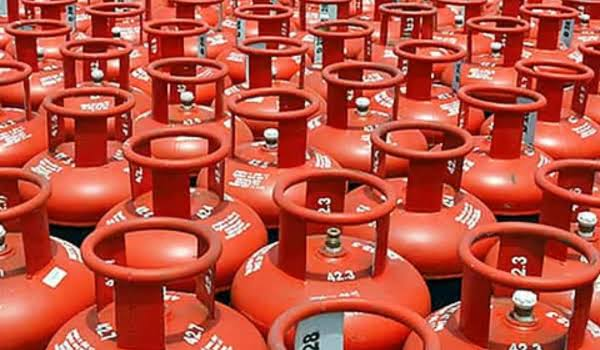
Aimed at mitigating geopolitical LPG import risks and absorbing a 7-billion-liter domestic biofuel surplus, the initiative could introduce ethanol-powered stoves and dispensing kiosks by September.
Add businessleague.in as a Preferred Source


NEW DELHI — In a strategic bid to curb reliance on imported liquefied petroleum gas (LPG), the Ministry of Petroleum and Natural Gas is developing a landmark policy framework to introduce ethanol as a mainstream household cooking fuel alongside traditional LPG.
The proposed framework, expected to be finalized by September, seeks to leverage the country’s surging domestic biofuel production to build a cleaner, home-grown energy alternative for household kitchens.
1. Why the Shift Is Happening Now
India’s push toward ethanol-powered cooking is driven by twin catalysts: a widening domestic supply surplus and heightened energy security risks along global trade corridors.
📊 Biofuel Supply & Demand Metrics:
🌾 Total Annual Production Capacity ➔ Exceeds 20 Billion Liters (Adding 4B in FY26)
🚗 E20 Petrol Blending Requirement ➔ Consumes ~11 Billion Liters
🏭 Industrial & Chemical Uses      ➔ Consumes ~3.5 Billion Liters
⚡ Unused Domestic Capacity Surplus ➔ ~7 Billion Liters Available Annually
Strategic Energy Security & Geopolitical Drivers
The vulnerability of India’s LPG supply chain was underscored during recent Middle East hostilities, which disrupted shipping traffic through the crucial Strait of Hormuz—the maritime bottleneck for the bulk of India’s imported cooking gas. While state-run Oil Marketing Companies (OMCs) have diversified sourcing and built a 30-day strategic LPG buffer, domestic ethanol offers an immediate hedge against international energy shocks.
2. Infrastructure, Subsidies, and Appliance Deployment
To transition ethanol from fuel depots to kitchen countertops, the government and state-owned oil marketing companies are evaluating a dual-track deployment strategy focusing on hardware innovation and accessible distribution.
Proposed Policy Components & Technical Modifications
| Implementation Zone | Proposed Framework Strategy | Intended Consumer Impact |
| Financial Subsidies | Capital & Fiscal Support: Evaluating one-time capital subsidies for stove purchases or ongoing fiscal price support. | Reduces entry barriers for low- and middle-income households switching from LPG. |
| Retail Distribution | “Ethanol ATMs” / Kiosks: Setting up specialized canister refilling units at existing fuel stations. | Allows consumers to purchase ethanol in portable canisters without building new pipeline networks. |
| Appliance R&D | Dedicated Ethanol Stoves: OMC partnerships and technology acquisitions to manufacture safe, high-efficiency burners. | Ensures flame safety, vapor containment, and cooking speed parity with standard gas stoves. |
Implementation Roadmap to Kitchen Adoption
The planned milestones guiding the rollout of ethanol cooking technology across India.
💡 Long-Term Economic Impact: Beyond protecting households from global LPG spikes, a study by the International Institute for Sustainable Development (IISD) estimates that expanding non-fossil cooking solutions like electric cooking, biogas, and ethanol could save India over ₹2 lakh crore ($24 billion) in cumulative state fuel subsidies by 2050.
Add businessleague.in as a Preferred Source

