


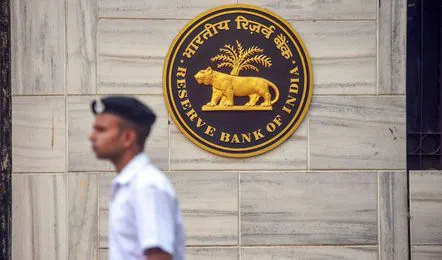
Improved regulatory tracking systems and stronger supervisory frameworks help end a 20-year freeze on fresh community lending permits.
Add businessleague.in as a Preferred Source


The institutional structure governing community finance in India is on the verge of a historic expansion. According to comprehensive regulatory source reports tracking central banking developments, the Reserve Bank of India is finalized to execute an RBI urban cooperative bank licensing policy reset. The upcoming announcement will officially end a strict, 22-year freeze on the entry of new players into the urban co-operative banking sector.
The strategic shift follows an extensive public and industry review process that began when the banking regulator published a dedicated discussion paper in January. That paper explicitly sought detailed feedback from financial specialists, urban lenders, and credit societies on the safety of restarting license applications, which had been completely halted in 2004 due to widespread systemic weaknesses and governance challenges across local networks.
Also Read | Viral Trump Lookalike Buffalo Rescue: Saved From Eid Sacrifice
The Evolution of Regulatory Tracking Protocols
The decision to reopen the registration window reflects a significant increase in regulatory confidence. Over the last two decades, the central bank has systematically overhauled its supervision methods for the cooperative sector, bringing local lenders under stricter inspection rules similar to those used for commercial banks.
The introduction of the multi-tiered regulatory framework, paired with the rollout of integrated core banking solutions across rural and semi-urban credit setups, has minimized the risk of sudden accounting discrepancies.
By utilizing computerized data streams and unified financial reports, inspectors can now catch balance sheet issues early, giving policymakers the confidence needed to safely welcome fresh entrants to the market.
Capital Requirements vs. Sector Challenges
While the financial sector has responded enthusiastically to the reopening plan, a primary point of discussion centers around the proposed entry barriers. The initial framework suggests a minimum capital requirement of ₹300 crore, a threshold that multiple industry bodies are pushing to lower to ensure grassroots organizations can participate.
| Evaluated Sector Component | Proposed Regulatory Parameters | Core Systemic Benefit | Remaining Institutional Challenge |
| Minimum Capital Floor | Initial entry baseline set at ₹300 Crore. | Guarantees strong financial cushions right from launch. | Niche local societies argue the barrier limits small community entrants. |
| Umbrella Organisation | Backed by the newly formed NUCFDC network. | Delivers shared technology, liquidity, and software setups. | Smaller lenders face long transition times to adopt new platforms. |
| Shareholder Structure | Face-value entry and exit asset frameworks. | Prevents speculative takeovers; protects local savers. | Limits incentives for outside venture funding or private equity. |
| Supervisory Oversight | Real-time automated data streams to central hubs. | Cuts off potential tracking gaps and internal management risks. | Increases operational compliance costs for small-town branches. |
The baseline data confirms that co-operative lenders hold a vital position within the broader domestic economy, serving demographics that are often bypassed by large commercial institutions.
Also Read | Viral Trump Lookalike Buffalo Rescue: Saved From Eid Sacrifice
As of March 2025, the country hosted 1,457 active urban co-operative banks, managing total assets worth ₹7.38 lakh crore and holding retail deposits amounting to ₹5.84 lakh crore.
The upcoming framework will utilize a structured four-tier asset approach to manage risk, allowing new community-focused entities to scale smoothly as their deposit bases grow.
By utilizing the newly operational National Urban Co-operative Bank and Credit Societies Development Corporation (NUCFDC) to provide shared cloud accounting systems and liquidity support, the banking regulator aims to build a modern, high-tech cooperative ecosystem.
This policy update balances strict entry requirements with robust consumer protections, ensuring that the next generation of local banks can expand financial inclusion safely without compromising the stability of India’s financial system.
FAQ Section
Why did the central bank pause RBI urban cooperative bank licensing for over twenty years?
The central bank halted the issuance of fresh co-operative entries in 2004 following a series of high-profile financial failures and governance scandals. The freeze was implemented to give inspectors the time needed to restructure the sector, improve inspection methods, and eliminate regulatory loopholes between state governments and central banking authorities.
What is the proposed minimum capital requirement for new entrants?
The initial discussion paper proposes a minimum capital requirement of ₹300 crore to ensure new entities launch with stable financial cushions. However, multiple industry associations have submitted formal feedback requesting that this entry floor be lowered to allow smaller, community-backed credit societies to qualify.
How will the newly formed umbrella organization support incoming co-operative banks?
The National Urban Co-operative Bank and Credit Societies Development Corporation (NUCFDC) will function as a central resource hub. It will offer modern core banking software, provide automated cybersecurity protections, and act as a liquidity savior during temporary cash crunches, helping small banks lower their technology overheads.
Also Read | Viral Trump Lookalike Buffalo Rescue: Saved From Eid Sacrifice
End..
Add businessleague.in as a Preferred Source

