
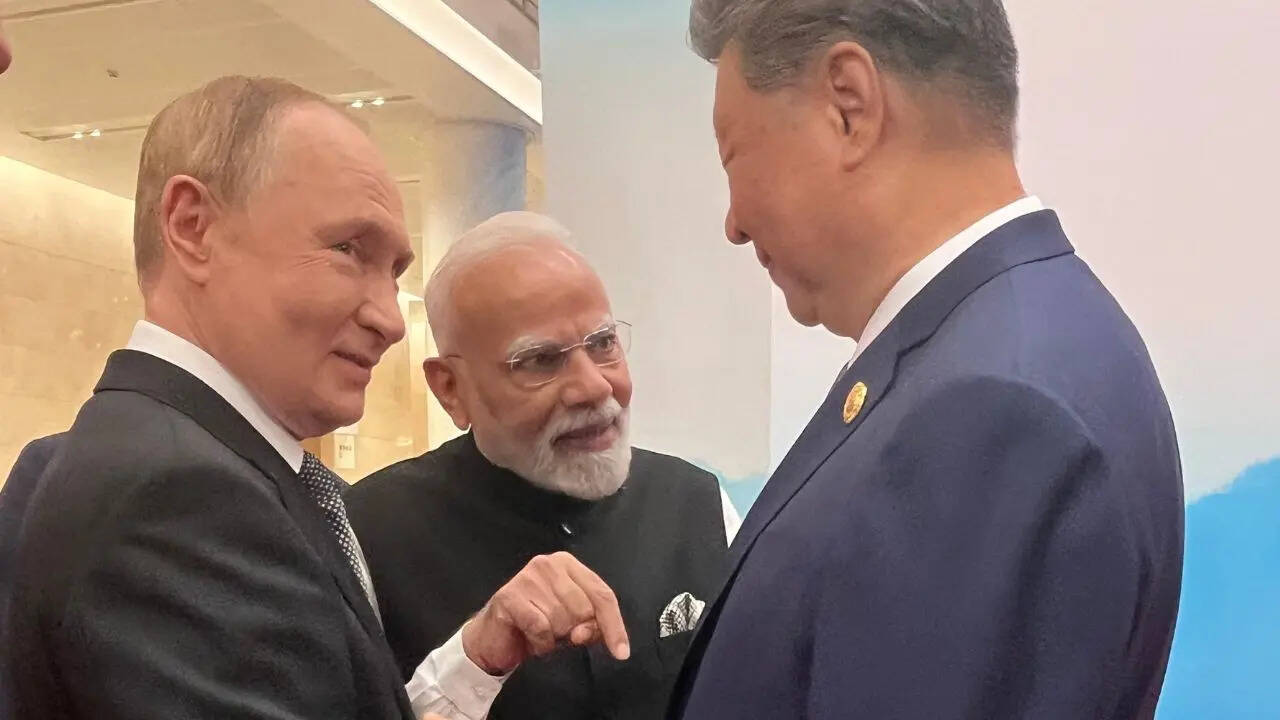
Now the internal tectonic shifts governing the multi-trillion dollar global energy market are staging a massive structural transformation. As high-stakes geopolitical frictions continue to disrupt maritime security channels along the vital Strait of Hormuz checkpoint, Moscow and Beijing have significantly accelerated their timeline loops for a historic cross-continental pipeline network. Coordinated ministerial panels are clearing advanced developmental phases for the strategic “Power of Siberia 2” overland energy asset on Thursday, May 21, 2026. Therefore, macroeconomic corporate tracking desks and national finance ministries are updating their long-term currency protection models to prepare for shifting trade flows. Once completely finalized, this colossal infrastructure pipeline will redirect vast Arctic resources away from defunct European markets straight into Asia’s expanding industrial hubs, making the stabilization of fuel costs an absolute mechanical necessity for developing net-importing states.
Add businessleague.in as a Preferred Source


Also Read |Tamil Nadu Voter List Purge: 97 Lakh Names Deleted in SIR Phase 1
At a Glance: Power of Siberia 2 Operational Infrastructure Grid
| INFRASTRUCTURE ANCHOR CORE | DESIGNED ARCHITECTURE VALUE | STRATEGIC PERFORMANCE FIELD | CURRENT STANDOFF HURDLE |
| Annual Transport Volume | 50 Billion Cubic Meters (bcm) | Massive Diversion of Siberian Excess | Long-Term Volume Commitments |
| Total Pipeline Distance | Roughly 2,600 Kilometers | High-Capacity Overland Asset Link | Transit Logistics across Mongolia |
| Primary Production Node | Yamal Peninsula Arctic Fields | Rerouting Terminated Euro Supply Lines | Market-Linked vs. Domestic Tariffs |
| Primary Destination Core | Industrial Hubs of Northern China | Replacing High-Cost Seaborne LNG Cargoes | Demanding Fluid Purchase Flexibility |
| Beneficiary Market Blocks | India, Japan, and South Korea | Softer Pricing Loops for CNG and PNG | Managing Freight Routing Risks |
The Arctic Pivot: Inside Gazprom’s Yamal Peninsula Redirection Strategy
Now the raw material extraction metrics tracking the vast gas reserves of northern Siberia reveal a dramatic shift in commercial transport history. Following the application of extensive Western economic sanctions post-2024, state-run monopoly Gazprom suffered an absolute structural breakdown across its traditional European pipeline channels. Therefore, central production managers faced the immediate, high-stakes task of stabilizing giant processing fields that continued to harvest fuel but lacked direct export doors.
First, look at the geographical center of the supply overhang: the hyper-potent Yamal Peninsula holds thousands of cubic meters of ready gas assets. Next, because internal storage pools quickly filled to maximum safety capacities, locking in a permanent overland buyer became an instant priority for the Kremlin. Thus, the mechanical necessity of building an un-interceptable eastern trade route overrode the standard pricing arguments usually managed by treasury lawyers.
So the Arctic pivot serves as a vital survival strategy that allows the Russian state to preserve its primary resource processing budgets through long global crises. China emerged as the definitive savior block in this scenario by offering an unbroken, inland outlet for these stranded natural gas outlays. This deep alignment helps the Siberian engineering complex keep its remote workforce fully employed while avoiding the extreme expenses of shutting down active wells. Therefore, the Arctic pivot establishes an exceptionally sound foundation to support the neighbor’s long-term sovereign budget plans.
The 2,600-Kilometer Conduit: Reconfiguring Asian Energy Geographies
Nowhere does the sheer engineering scale of this energy consolidation show higher clarity than when tracing the proposed geographic footprint of the physical line. The massive project is designed to span an incredible 2,600 kilometers of highly reinforced steel trunk lines traversing straight through the rugged terrain of Mongolia. Therefore, international infrastructure planning boards treat this corridor as an absolute replicate model of the historic networks that once powered Western Europe’s manufacturing blocks.
First, this overland line connects the deep wilderness of the Siberian tundra straight with the heavily populated, energy-hungry factory zones of northern China. Next, the specialized construction designs integrate high-pressure pumping stations that allow the line to move up to 50 billion cubic meters of fuel every year. Thus, the pipeline functions as a giant geographical link that bypasses traditional international border check barriers completely.
[Siberia's Arctic Yamal Peninsula Fields] ──► Coordinated Extraction of 50 bcm Annual Excess Gas
                                                    │
                                                    ▼ (The 2,600-Kilometer Conduit Matrix)
[High-Pressure Trans-Mongolian Trunk Line] ──► Routes Freight Safely Bypassing Vulnerable Ocean Channels
                                                    │
                                                    ▼
[Industrial Manufacturing Corridors of China]──► Absorbs Immense Overland Outflows to Fuel Factories
So the completed line will function as the single largest land-based energy corridor running across the Asian continent. The choosing of an overland path ensures that the incoming fuel streams stay perfectly protected from facing unexpected blockades by foreign naval task forces. Meanwhile, regional environmental mapping panels are tracking how the construction teams handle the frozen permafrost layers along the trans-Mongolian corridors. Therefore, the pipeline conduit serves as a primary tool that permanently updates the geopolitical maps of international trade.
Also Read |Tamil Nadu Voter List Purge: 97 Lakh Names Deleted in SIR Phase 1
The LNG Displacement Wave: Cascading Effects Across International Sea Routes
Now performing a comprehensive global trade audit reveals how a localized bilateral contract can trigger massive price reductions across separate oceans. Under current operational parameters, China satisfies its immense domestic fuel demands by purchasing huge shipments of Liquefied Natural Gas (LNG) from distant producers like Qatar and Australia. Therefore, the world’s largest energy importer currently dominates the bidding queues across sensitive maritime shipping corridors.
-
The Global LNG Displacement Vector Actions:
-
Overland Shift Protocols: Moving Beijing’s primary purchase volumes away from floating maritime vessels onto permanent land pipes.
-
Bidding Pressure Relief: Erasing China’s dominant, high-volume presence from the spot purchase books of major ocean terminals.
-
Vessel Supply Liberation: Releasing hundreds of specialized refrigerated cargo ships back into the open international leasing pool.
-
Global Price Softening: Forcing international fuel suppliers to lower their baseline spot tariffs to attract alternate buyers.
-
First, this systemic drop in seaborne buying ensures that floating energy cargo loads will experience immediate oversupply conditions across the high seas. Next, the resulting collapse in competition across prominent spot markets directly benefits smaller economies that lack long-term fixed purchasing contracts. Thus, the mechanical necessity of building alternative transport paths effectively lowers the raw acquisition costs for all maritime traders simultaneously.
Direct Wallet Relief: Deconstructing the Fuel Price Impacts for Indian Consumers
Now crossing over to the domestic retail counters of South Asia reveals the exact financial mechanisms that will benefit local household budgets. For countries like India, Japan, and South Korea, which depend heavily on foreign imported energy matrices, lower international spot costs bring massive macroeconomic relief. Therefore, corporate finance directors and local energy developers are preparing for a highly positive shift across all domestic processing overheads.
First, look at the retail fuel categories: the anticipated drop in international spot prices will flow straight down into localized compressed natural gas (CNG) and piped natural gas (PNG) grids. Next, as the central treasury spends significantly less foreign exchange to secure basic bulk shipments, the domestic value of the rupee gains excellent defensive strength. This systemic currency stabilization stops imported inflation from driving up the retail prices of everyday transport fuels and basic consumer groceries over time.
[China Switches to Siberian Overland Gas] ──► Drops Seaborne Spot LNG Bids by Massive Margins Globally
                                                   │
                                                   ▼ (The Domestic Currency Protection Loop)
[Indian Treasury Slashes Import Cash Outflows]──► Reduces Hard Forex Drain to Stabilize the Local Rupee
                                                   │
                                                   ▼
[Retail Energy Providers Adjust Tariffs Down]──► Delivers Direct Cash Savings on Home PNG and Commuter CNG
So this extended price relief helps municipal transit networks lower their weekly bus and delivery truck operating costs. This logistical saving stops retail merchants from printing hyper-inflated invoice sheets that usually raise shop pricing during global crises. Meanwhile, central petroleum boards are configuring smart pricing adjustments to ensure these international market drops translate smoothly into instant citizen utility relief. Therefore, the direct wallet relief parameters prove that global infrastructure deals can actively protect local consumer spending power.
The Beijing Leverage: How Multi-Sourced Portfolios Stiffed Russia’s Tariff Push
Now expanding the tactical analysis of ongoing negotiations exposes why the final signatures on the contract remain delayed despite years of high-level pressure. The central sticking point stalling the deployment of active construction teams centers completely on aggressive pricing disputes separating the two states. Therefore, international corporate risk evaluators are tracking Beijing’s multi-sourced energy portfolio as an elite example of geopolitically driving down contract terms.
-
China’s Diversified Energy Leverage Assets:
-
Power of Siberia 1: Operating a fully functional 38 bcm eastern pipeline that continues to deliver reliable baseline supply.
-
Central Asian Network: Drawing immense, un-interrupted land flows from Turkmenistan, Uzbekistan, and Kazakhstan.
-
Southeast Asian Links: Running specialized deep-sea gas pipelines straight from active offshore blocks in Myanmar.
-
Global Seaborne Assets: Holding deep, long-term options to import cheap floating LNG from multiple international suppliers.
-
First, this incredible abundance of alternative options means that Beijing faces zero immediate domestic shortages, giving its trade ministers immense leverage over the discussion table. Next, while Russia pushes hard for high, market-linked pricing systems to maximize state revenues, China demands deep discounts that match cheap domestic values. Thus, the mechanical necessity of diversifying raw import channels allows the buyer to systematically reject unfavorable contract files from desperate sellers.
Also Read |Tamil Nadu Voter List Purge: 97 Lakh Names Deleted in SIR Phase 1
Hormuz Strain Insulation: Securing Continental Logistics Against Maritime Shockwaves
Now the final definitive framework illustrating the critical timing of this pipeline push is visible across the tense waterways of West Asia. As localized military activities complicate commercial ship safety parameters across the Strait of Hormuz, relying strictly on ocean transit lines introduces massive risk. Therefore, national security councils treat the construction of inland continental connections as a primary task to escape sea-based vulnerabilities.
First, moving critical fuel assets across land corridors completely protects the trade flow from facing unexpected closures at high-risk ocean checkpoints. Next, this continental safety framework ensures that if regional conflicts shut down critical sea lanes, the broader Asian manufacturing base can preserve its operational energy grids. Thus, the land-based network provides an essential protective layer that shields both economies from experiencing sudden, war-driven supply shocks.
So the joint investment in trans-continental infrastructure builds an exceptionally strong economic defense shield across the heart of Eurasia. This deep coordination allows both nations to navigate volatile international maritime crises without facing sudden industrial slowdowns inside their home cities. Meanwhile, international logistics operations are monitoring how this shift toward land tracks alters long-term corporate asset allocations across global shipping lines. Therefore, the comprehensive structural updates confirm that the region’s energy security architecture remains tightly locked into absolute stability coordinates through the changing landscape of 2026.
FAQ: Clarifying the Realities of the 2026 Sino-Russian Pipeline Transactions
1. What is the Power of Siberia 2 project and what total volume will it transport? Now, it is a proposed 2,600-kilometer overland pipeline designed to move 50 billion cubic meters of Arctic natural gas from Russia to China annually.
2. How does an exclusive pipeline deal between Russia and China directly impact an Indian consumer’s wallet? First, by moving China’s massive energy demand to land pipes, global spot market LNG prices will drop, lowering domestic CNG and PNG costs inside India.
3. Why is Russia aggressively looking to redirect its gas exports toward Asian markets now? So, following severe Western economic sanctions over recent years, Gazprom lost access to its traditional European markets, leaving it with massive stranded gas excess.
4. What specific geographic route will the physical pipeline take to reach Chinese borders? Next, advanced corporate engineering maps show that the massive steel pipeline will travel from Siberia’s northern Yamal Peninsula straight through Mongolia.
5. What primary dispute is currently stalling the final execution of the energy contract? Now, the core standoff centers on pricing and guarantees, as Russia demands market-linked rates while China leverages its options to secure steep discounts.
6. Why does China hold immense leverage over Russia during these ongoing contract sessions? Finally, Beijing maintains high leverage because it runs a highly diversified energy mix, drawing land supply from Central Asia alongside ongoing seaborne LNG shipments.
Also Read |Tamil Nadu Voter List Purge: 97 Lakh Names Deleted in SIR Phase 1
End…
Add businessleague.in as a Preferred Source
🙏 Support Independent Journalism
We keep news free for you.
Most readers support with ₹500 ❤️
or scan QR below

Voluntary contribution. No tax benefits.
DISCLAIMER
We have taken all measures to ensure that the information provided in this article and on our social media platform is credible, verified and sourced from other Big media Houses. For any feedback or complaint, reach out to us at businessleaguein@gmail.com