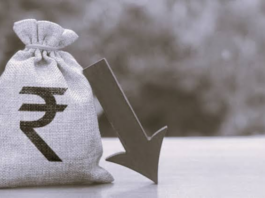

The Indian economy is facing a “perfect storm” of geopolitical and fiscal pressures. On Thursday, March 12, 2026, the Indian Rupee breached the psychological barrier of 92, settling at a record low of ₹92.36 against the US Dollar. The slide comes as the conflict in West Asia escalates into the energy sector, with targeted attacks on tankers in the Gulf directly threatening India’s vast import requirements.
Add businessleague.in as a Preferred Source


As the US-Israel-Iran confrontation enters a high-risk phase, the global flight to safety is leaving emerging market currencies vulnerable. For India—the world’s third-largest oil consumer—the combination of a strengthening dollar and a triple-digit oil price represents a significant challenge to macroeconomic stability.
Also Read |Tamil Nadu Voter List Purge: 97 Lakh Names Deleted in SIR Phase 1
The $100 Oil Shock: Why It Hits India Hardest
India is structurally dependent on foreign energy, importing over 80% of its crude needs.
-
The Iraqi Incident: Attacks on two tankers in Iraqi waters on Wednesday night sparked immediate fears of a supply crunch.
-
Import Bill: With Brent crude crossing $100/barrel, India’s trade deficit is widening as oil marketing companies scramble for dollars to pay for increasingly expensive shipments.
The Dollar’s “Safe-Haven” Dominance
In times of war, the US Dollar acts as a global “bunker.”
-
Capital Flight: Investors are pulling money out of riskier emerging markets and parking it in US Treasuries and dollar-denominated assets.
-
Relative Strength: While the Rupee is down, it is part of a broader trend where the USD is gaining against almost all major global currencies due to its perceived safety during the West Asia crisis.
FII Exodus: The Equity Connection
The stock market and currency market are currently locked in a downward spiral.
-
Persistent Selling: Foreign Institutional Investors (FIIs) have been net sellers in the Indian markets for the 11th consecutive day.
-
Conversion Pressure: As these investors exit Indian stocks, they sell Rupees and buy Dollars, creating a massive imbalance in local forex liquidity.
Also Read |Tamil Nadu Voter List Purge: 97 Lakh Names Deleted in SIR Phase 1
Winners and Losers: IT vs. Consumers
A weaker currency creates a polarized economic impact:
-
The Losers: Everyday consumers will likely see a spike in the prices of smartphones, laptops, and imported fuel, as companies pass on the higher cost of dollar-denominated components.
-
The Winners: India’s IT services and Pharmaceutical sectors stand to benefit, as their revenues earned in dollars now translate into more rupees, potentially boosting their Q4 margins.
Reality Check
The fall to ₹92.36 is a significant milestone. Still, the Reserve Bank of India (RBI) has a massive chest of foreign exchange reserves. Therefore, while the Rupee is hitting record lows, the decline has been relatively “orderly” compared to other emerging markets. In fact, the RBI has likely been intervening in small tranches to prevent a “flash crash,” but even the central bank cannot fully fight the tide of a global energy war.
The Loopholes
The government often highlights that a weak rupee helps exports. In fact, this is a “Competitive Loophole”—if our competitor nations (like Vietnam or China) see their currencies weaken even more, India’s export “benefit” is neutralized. Therefore, a weak rupee is only an advantage if it’s an isolated event. Still, the “Hedging Loophole” remains; many large Indian importers have “hedged” their dollar requirements at lower rates (around ₹88–₹89), meaning the full impact of the ₹92 rate won’t hit their balance sheets for another 3–6 months.
Also Read |Tamil Nadu Voter List Purge: 97 Lakh Names Deleted in SIR Phase 1
What This Means for You
If you are planning an overseas vacation or studying abroad, recalculate your budget immediately. First, realize that your dollar-denominated expenses just became 5–7% more expensive than they were last month. Then, if you are planning to buy a new laptop or smartphone, understand that prices will likely rise by early April as new stock arrives under the higher dollar rate.
Finally, understand that inflation is the “invisible tax.” You should expect a minor hike in logistics and transportation costs if oil stays above $100. Before you panic-buy gold (which is also near record highs), remember that the Rupee often rebounds once geopolitical tensions reach a stalemate.
What’s Next
The RBI’s weekly forex reserve data will be released this Friday, showing how much “firepower” was used to defend the rupee. Then, look for a potential interest rate hike by the Monetary Policy Committee (MPC) if inflation begins to breach the 6% upper tolerance limit. Finally, expect the Rupee to test the ₹93 level if the Strait of Hormuz remains restricted for another week.
Also Read |Tamil Nadu Voter List Purge: 97 Lakh Names Deleted in SIR Phase 1
End….
Add businessleague.in as a Preferred Source
🙏 Support Independent Journalism
We keep news free for you.
Most readers support with ₹500 ❤️
or scan QR below

Voluntary contribution. No tax benefits.
DISCLAIMER
We have taken all measures to ensure that the information provided in this article and on our social media platform is credible, verified and sourced from other Big media Houses. For any feedback or complaint, reach out to us at businessleaguein@gmail.com