
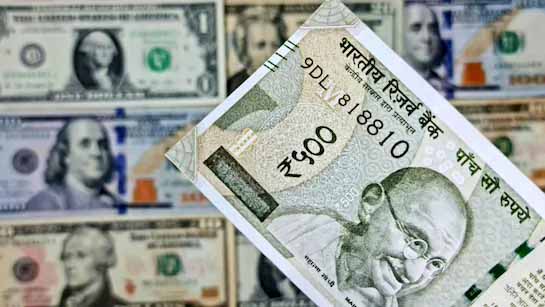
Rupee Sinks to 92 vs USD: Why Your Pocket Will Feel the Pinch
The Indian Rupee hit a psychological and historic low of ₹92 against the US Dollar on January 23, 2026. This slide marks a nearly 2% depreciation in just the first few weeks of the year, following a difficult 2025 where the currency was already Asia’s worst performer.
Add businessleague.in as a Preferred Source


Also Read | Bank Strike: Banks to go on strike on January 27; find out which banks will remain closed.
1. Why is the Rupee Falling?
Several global and domestic “headwinds” have combined to weaken the currency:
-
The “Greenland Friction”: Unprecedented geopolitical tension over Greenland (involving the U.S., EU, and NATO) has triggered a “risk-off” sentiment, leading investors to flee emerging markets for the safety of the dollar.
-
Foreign Fund Exodus: Foreign Institutional Investors (FIIs) have pulled out nearly $3.5 billion from Indian equities in January alone, putting immense pressure on the local unit.
-
Trade Deficit & Oil: With India importing 85% of its crude oil, the rising cost of Brent crude (priced in dollars) has widened the trade deficit, which stood at $25.04 billion in December.
-
Budget Uncertainty: Markets are cautious ahead of the Union Budget 2026 (Feb 1), waiting for fiscal cues that could stabilize the economy.
Also Read | Bank Strike: Banks to go on strike on January 27; find out which banks will remain closed.
2. The Impact: Who Wins and Who Loses?
| Sector | Impact | Reason |
| Common Man | 🔴 Negative | Petrol, diesel, and electronics (phones/laptops) become more expensive. |
| Students | 🔴 Negative | Foreign tuition fees and living expenses for overseas education skyrocket. |
| Travelers | 🔴 Negative | International flights and hotel stays cost significantly more in Rupee terms. |
| Exporters | 🟢 Positive | IT services, textiles, and pharma earn more Rupees for every Dollar made. |
| NRIs | 🟢 Positive | Remittances sent home convert into a higher Rupee amount for families in India. |
3. What is the RBI Doing?
Despite the slide, India’s Forex Reserves hit a record $701.36 billion as of mid-January. The Reserve Bank of India (RBI) is following a strategy of “Managed Flexibility”:
-
Selective Intervention: Selling dollars in the spot market to prevent a “free fall” rather than defending a specific number.
-
Liquidity Management: Using USD/INR swaps to inject Rupee liquidity into the banking system, ensuring that defending the currency doesn’t cause a domestic credit crunch.
Also Read | Bank Strike: Banks to go on strike on January 27; find out which banks will remain closed.
Add businessleague.in as a Preferred Source
🙏 Support Independent Journalism
We keep news free for you.
Most readers support with ₹500 ❤️
or scan QR below

Voluntary contribution. No tax benefits.
DISCLAIMER
We have taken all measures to ensure that the information provided in this article and on our social media platform is credible, verified and sourced from other Big media Houses. For any feedback or complaint, reach out to us at businessleaguein@gmail.com