


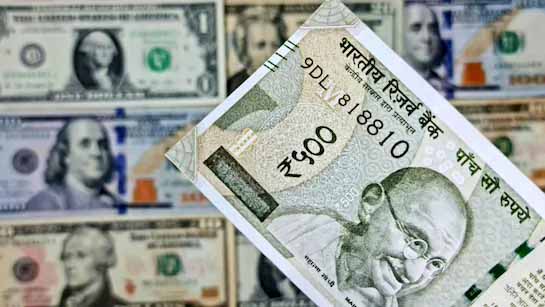
Rupee Sinks to 92 vs USD: Why Your Pocket Will Feel the Pinch
The Indian Rupee hit a psychological and historic low of ₹92 against the US Dollar on January 23, 2026. This slide marks a nearly 2% depreciation in just the first few weeks of the year, following a difficult 2025 where the currency was already Asia’s worst performer.
Add businessleague.in as a Preferred Source


Also Read | Bank Strike: Banks to go on strike on January 27; find out which banks will remain closed.
1. Why is the Rupee Falling?
Several global and domestic “headwinds” have combined to weaken the currency:
-
The “Greenland Friction”: Unprecedented geopolitical tension over Greenland (involving the U.S., EU, and NATO) has triggered a “risk-off” sentiment, leading investors to flee emerging markets for the safety of the dollar.
-
Foreign Fund Exodus: Foreign Institutional Investors (FIIs) have pulled out nearly $3.5 billion from Indian equities in January alone, putting immense pressure on the local unit.
-
Trade Deficit & Oil: With India importing 85% of its crude oil, the rising cost of Brent crude (priced in dollars) has widened the trade deficit, which stood at $25.04 billion in December.
-
Budget Uncertainty: Markets are cautious ahead of the Union Budget 2026 (Feb 1), waiting for fiscal cues that could stabilize the economy.
Also Read | Bank Strike: Banks to go on strike on January 27; find out which banks will remain closed.
2. The Impact: Who Wins and Who Loses?
| Sector | Impact | Reason |
| Common Man | 🔴 Negative | Petrol, diesel, and electronics (phones/laptops) become more expensive. |
| Students | 🔴 Negative | Foreign tuition fees and living expenses for overseas education skyrocket. |
| Travelers | 🔴 Negative | International flights and hotel stays cost significantly more in Rupee terms. |
| Exporters | 🟢 Positive | IT services, textiles, and pharma earn more Rupees for every Dollar made. |
| NRIs | 🟢 Positive | Remittances sent home convert into a higher Rupee amount for families in India. |
3. What is the RBI Doing?
Despite the slide, India’s Forex Reserves hit a record $701.36 billion as of mid-January. The Reserve Bank of India (RBI) is following a strategy of “Managed Flexibility”:
-
Selective Intervention: Selling dollars in the spot market to prevent a “free fall” rather than defending a specific number.
-
Liquidity Management: Using USD/INR swaps to inject Rupee liquidity into the banking system, ensuring that defending the currency doesn’t cause a domestic credit crunch.
Also Read | Bank Strike: Banks to go on strike on January 27; find out which banks will remain closed.
Add businessleague.in as a Preferred Source

