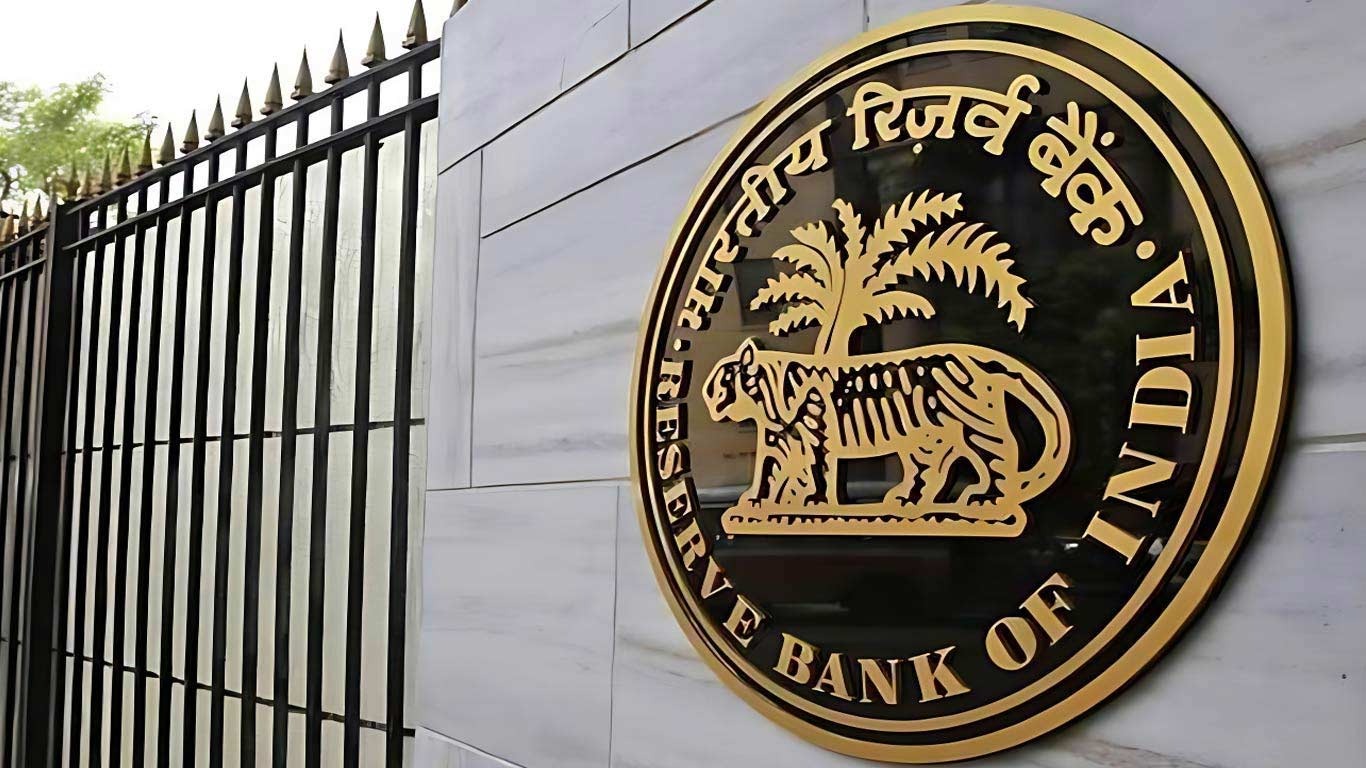
RBI Monetary Policy Committee (MPC) meeting. It’s the central bank telling everyone what borrowing money is going to cost. It’s dense, but the story here is simple: High Growth + Low Inflation = Rate Cut.
Add businessleague.in as a Preferred Source


Here are the notes, raw and straight up, on the December 2025 policy:
RBI MPC Dec 2025: Goldilocks and the 25 BPS Cut
The MPC met from December 3rd to 5th. They had to weigh two massive pressures: GDP growth is strong as hell (8.2% in Q2, revised up for the full year to 7.3%), but the rupee is weak, flirting with that 90-to-the-dollar line. A lot of analysts thought the weak rupee would make the RBI pause, or nothing.
Here’s the kicker: They didn’t pause. They went for growth.
The Big Decisions (Unanimous Vote)
-
Repo Rate Cut: Slashed by 25 basis points (bps). The new rate is 5.25%. This is the first cut in six months and 125 bps total cut this year.
-
Policy Stance: Kept it Neutral. This means they aren’t committing to more cuts or hikes. They are keeping their powder dry.
-
Inflation & Growth: They basically declared victory on prices. They dramatically lowered the inflation forecast for FY26 to 2.0% (down from 2.6% earlier). GDP growth was raised to 7.3% (up from 6.8%).
Why The Cut Now? The “Goldilocks Zone”
Governor Sanjay Malhotra said India is in a “rare Goldilocks period.” What does that mean?
It’s an economic term that comes from that kids’ story. The economy is “just right”: it’s not too hot (which brings high inflation), and it’s not too cold (which brings a recession). We have strong, resilient growth and super low inflation (CPI was at a multi-decade low of 0.25% in October, let’s be real).
This low-inflation headroom, the RBI argued, lets them be “growth supportive.” The rate cut aims to keep this high-growth party going.
The Liquidity Boost (Rupee Stability)
They knew cutting the rate might weaken the rupee further, so they added two massive liquidity boosters to balance it out:
-
OMO Purchases: ₹1 lakh crore (1 trillion rupees) in Open Market Operations (OMO) to buy bonds. This injects cash into the banking system.
-
Dollar-Rupee Swap: A $5 billion swap in December. This helps stabilize the currency and injects short-term rupee liquidity without long-term printing.
The Impact Report
-
Loans: Home loan EMIs should start falling. Loans for real estate, MSMEs, and trucks are expected to get cheaper quickly. This is good news for borrowing.
-
Rupee/Bonds: The rupee actually held onto gains after the announcement, strengthening slightly to 89.7750 against the dollar. The 10-year government bond yields fell (meaning bond prices rose). The market loved the liquidity injection.
-
The Consensus: Analysts are calling this a “calibrated maintenance cut.” It aligns with the data, supports growth, and is backed by enough liquidity injection to manage the currency risk. It is a calculated gamble, or nothing. Some analysts believe this might be the last cut in this cycle.
End. . .
Read More: New plan for millions of Jio users, SIM will remain active for 365 days
Add businessleague.in as a Preferred Source
🙏 Support Independent Journalism
We keep news free for you.
Most readers support with ₹500 ❤️
or scan QR below

Voluntary contribution. No tax benefits.
DISCLAIMER
We have taken all measures to ensure that the information provided in this article and on our social media platform is credible, verified and sourced from other Big media Houses. For any feedback or complaint, reach out to us at businessleaguein@gmail.com