
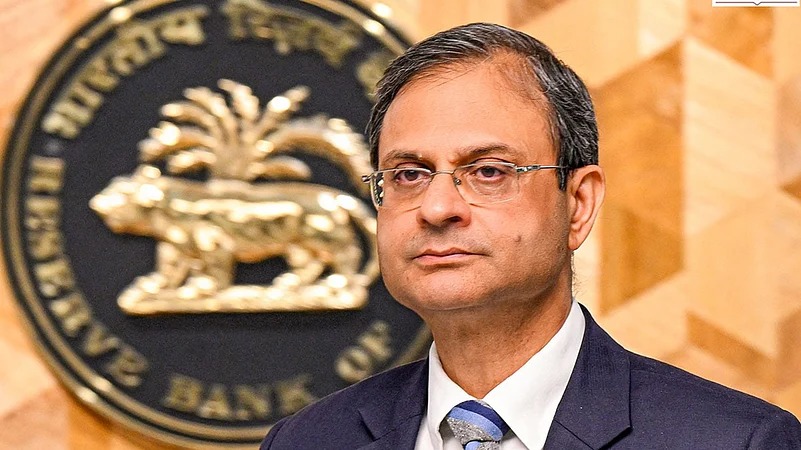
On February 6, 2026, the Reserve Bank of India’s Monetary Policy Committee (MPC) opted for a strategic pause, keeping the benchmark repo rate unchanged at 5.25%. Following a series of aggressive cuts totaling 125 basis points over the past year, Governor Sanjay Malhotra signaled that the central bank is shifting its focus toward “policy transmission” and financial stability. This decision comes on the heels of a blockbuster week featuring a growth-oriented Union Budget and a landmark trade deal with the United States.
Add businessleague.in as a Preferred Source


Also Read |Tamil Nadu Voter List Purge: 97 Lakh Names Deleted in SIR Phase 1
The Status Quo: Why the RBI Hit the Pause Button
The unanimous decision to hold rates reflects a “wait-and-watch” approach. While inflation remains benign, the MPC is wary of potential volatility.
-
Current Repo Rate: 5.25%
-
SDF Rate: 5.00%
-
MSF & Bank Rate: 5.50%
The RBI has officially retained its “Neutral” stance. This provides the committee with the flexibility to move in either direction depending on how domestic demand and global geopolitical tensions evolve in the coming months.
Governor’s Speech: “Resilience” Amid Global Shifts
During his televised address, Governor Malhotra highlighted that the Indian economy is in a “good spot.” He noted that while global uncertainties remain elevated, the domestic growth impulse is “firm and durable.” The Governor also hinted at a major statistical update, announcing that new series for both GDP and CPI (inflation) will be released later this month. These revisions are expected to provide a clearer picture of India’s post-2025 structural shifts.
Also Read |Tamil Nadu Voter List Purge: 97 Lakh Names Deleted in SIR Phase 1
The India-US Trade Deal: A Game Changer for the Rupee
A major factor influencing today’s decision was the dramatic rally of the Indian Rupee, which saw its biggest single-day gain in seven years on February 3. The surge followed the U.S. decision to cut tariffs on Indian goods from 50% to 18%.
Consequently, the pressure on the RBI to defend the currency has eased. The central bank, which had been selling dollars to limit depreciation, was recently seen buying dollars to prevent the rupee from strengthening too rapidly beyond the 90.00/$ mark. This influx of capital provides a comfortable cushion for the RBI to maintain steady rates.
Inflation Outlook: The Impact of the New CPI Series
While current headline inflation is below the 4% target, the RBI has slightly revised its near-term projections:
In fact, the upcoming CPI rebase on February 12 is expected to reduce the weight of food items. This could lead to a technical uptick in reported inflation, even if ground-level prices remain stable. Therefore, the RBI is erring on the side of caution to ensure inflation aligns permanently with the 4% target.
Also Read |Tamil Nadu Voter List Purge: 97 Lakh Names Deleted in SIR Phase 1
Growth Momentum: Chasing the 7% Goal
The RBI’s optimism on growth is palpable. The central bank has revised its FY26 Real GDP growth upward to 7.4%. Looking ahead to the next financial year, the outlook remains robust:
-
Q1 FY27 GDP: 6.9%
-
Q2 FY27 GDP: 7.0%
Governor Malhotra attributed this momentum to healthy Kharif production, high reservoir levels, and the anticipated boost in exports following the India-EU and India-US trade agreements.
The Reality Check: Is the Rate-Cut Cycle Over?
Despite the 125 bps easing since February 2025, many borrowers are yet to see the full benefit. Market participants like SBI Research suggest that the rate-cut cycle may have reached its floor. With the government planning a record borrowing program of nearly ₹30 trillion for FY27, the focus is now on managing liquidity through Open Market Operations (OMOs) rather than further lowering the repo rate.
Also Read |Tamil Nadu Voter List Purge: 97 Lakh Names Deleted in SIR Phase 1
What This Means for You
For the average consumer, this status quo means that Home Loan EMIs are unlikely to drop further in the immediate future. However, for savers, FD rates are expected to remain stable. If you are planning a large purchase, the current “Neutral” stance suggests that borrowing costs have likely bottomed out, making it a stable time to lock in long-term loans.
Next Steps
Watch for the release of the new CPI and GDP series on February 12. This data will be the primary driver for the next MPC meeting in April. You should also keep an eye on the 10-year government bond yields, which are currently hovering around 6.72%, as they will dictate the pricing for corporate loans. Finally, check for any announcements regarding the ₹1 lakh crore G-Sec purchase auctions mentioned by the Governor to manage system liquidity.
Also Read |Tamil Nadu Voter List Purge: 97 Lakh Names Deleted in SIR Phase 1
End….
Add businessleague.in as a Preferred Source
🙏 Support Independent Journalism
We keep news free for you.
Most readers support with ₹500 ❤️
or scan QR below

Voluntary contribution. No tax benefits.
DISCLAIMER
We have taken all measures to ensure that the information provided in this article and on our social media platform is credible, verified and sourced from other Big media Houses. For any feedback or complaint, reach out to us at businessleaguein@gmail.com