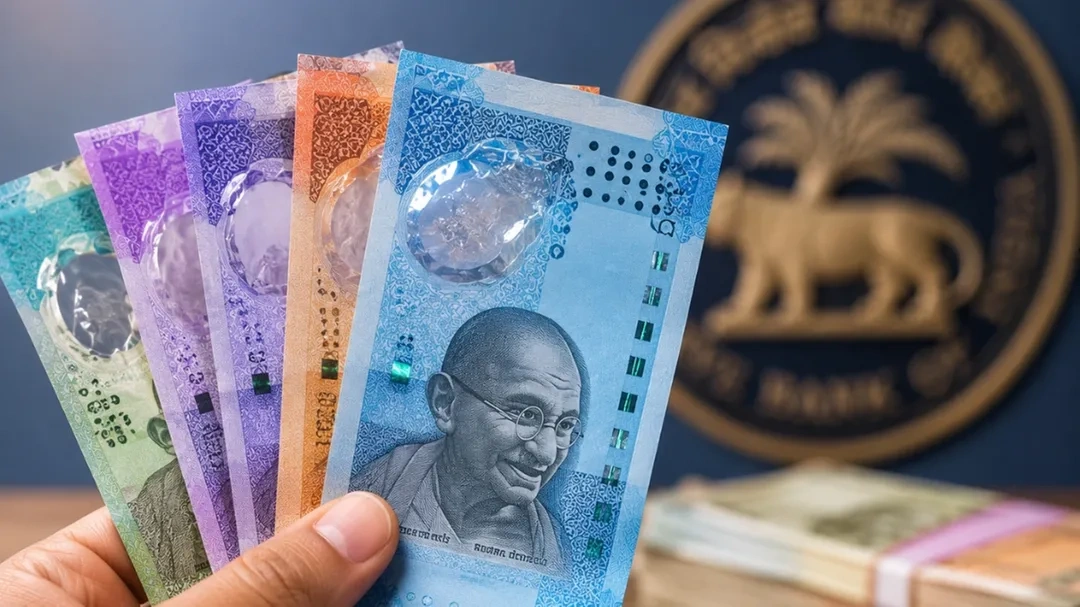
RBI is considering introducing plastic currency notes in the country. According to RBI Governor Sanjay Malhotra, this proposal is still in the initial stage. Plastic notes were first discussed about 10 years ago, but the plan could not move forward due to technical and operational challenges.
Add businessleague.in as a Preferred Source


Plastic Currency: The Reserve Bank of India (RBI) is preparing to introduce polymer notes in the country. RBI Governor Sanjay Malhotra announced this on Friday. He stated that the proposal for polymer notes is still in its initial stages and is being further considered. However, reports suggest that a pilot project may be announced soon. The initial phase may involve 10 and 20 rupee notes, as they are the most widely used and wear out quickly.
TV9 revealed this a week ago
TV9 Digital revealed last week that the Reserve Bank of India is considering introducing plastic notes in the country. This proposal was discussed during the RBI board meeting. Today, the RBI Governor dropped a major hint about the introduction of plastic notes. He stated, “This proposal is under consideration.” If this proposal is implemented, plastic notes could be introduced in the country.
Why are plastic notes being introduced?
The RBI is considering adopting plastic notes because the cost of printing and maintaining paper notes is constantly increasing. According to the RBI’s FY25 annual report, the cost of printing notes has increased to ₹6,372.8 crore, compared to ₹5,101.4 crore in FY24. Although polymer notes have a higher initial cost, they are much more durable than paper notes. This will reduce the need to print new notes in the long run and could lead to significant cost savings. Furthermore, the country’s ATMs and cash management systems are now so modern that they can easily recognize and process polymer notes.
Damaged and Torn Notes: A Major Challenge
Replacing damaged and torn notes is also a major challenge for the RBI. During FY25, approximately 23.8 billion old and damaged notes were withdrawn from circulation, a 12.3 percent increase over the previous year. The largest number of these were 500 rupee notes. Despite the rise in digital payments, the demand for cash in the country continues to rise, and as of May 15, the total currency in circulation reached a record high of ₹42.86 lakh crore. Consequently, polymer notes will remain secure and usable for a longer period, significantly reducing the pressure on note replacement and reprinting.
Discussed 10 years ago
This isn’t the first time plastic notes have been discussed in the country. Nearly 10 years ago, the RBI suggested printing plastic notes. The rising cost of printing paper notes and the large number of old notes being damaged and destroyed has brought this plan back into discussion.
In February 2014, the government informed Parliament that ₹10 plastic notes would be tested. Five cities across the country with diverse climatic and geographical conditions were selected. These included Kochi, Mysore, Jaipur, Shimla, and Bhubaneswar. However, the plan was shelved at the time due to technical and operational problems. Now, the RBI is once again exploring the possibility of plastic notes.
Add businessleague.in as a Preferred Source
🙏 Support Independent Journalism
We keep news free for you.
Most readers support with ₹500 ❤️
or scan QR below

Voluntary contribution. No tax benefits.
DISCLAIMER
We have taken all measures to ensure that the information provided in this article and on our social media platform is credible, verified and sourced from other Big media Houses. For any feedback or complaint, reach out to us at businessleaguein@gmail.com