


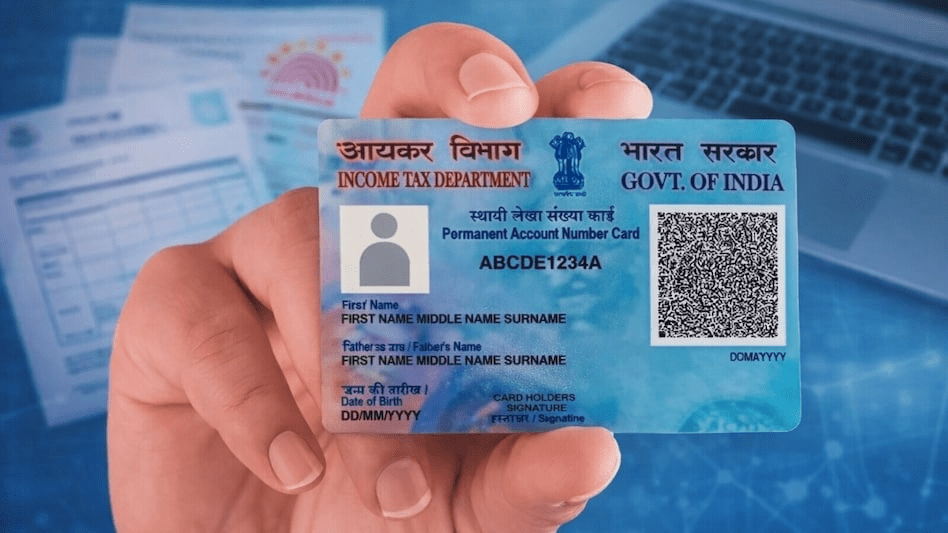
Now the Central Board of Direct Taxes (CBDT) has tightened the grip on high-value savings. The newly notified Income-tax Rules, 2026, mandate a PAN card for specific Post Office transactions. These include account openings, large deposits, and significant withdrawals. Therefore, depositors must ensure their tax documentation is up to date. Meanwhile, new forms have replaced the traditional 15G and 15H for interest income.
Add businessleague.in as a Preferred Source


Also Read |Tamil Nadu Voter List Purge: 97 Lakh Names Deleted in SIR Phase 1
Specified Transactions: When is PAN Mandatory?
Now the Department of Revenue has identified several key triggers for compliance. Under the new Rules 159 through 237, certain actions require immediate identification. Therefore, you cannot bypass these requirements for high-value movements.
First, opening any new Post Office account requires a PAN. Next, large cash deposits and withdrawals fall under this mandate. Thus, Time Deposit (TD) transactions are also subject to these strict reporting rules.
So the CBDT aims to track the flow of money more effectively. Meanwhile, this move aligns the Post Office with commercial banking standards. Therefore, transparency in the savings sector will reach a new peak in 2026.
No PAN? How to Use Form No. 97 and Form No. 98
Now what happens if a depositor does not possess a PAN? The CBDT has provided a specific workaround. Therefore, you must use the new Form No. 97 to complete your transaction legally.
First, the depositor must provide complete details including name, address, and the nature of the transaction. Next, the Post Office must verify the identity and ensure all documents are attached. Thus, Form No. 97 serves as a temporary tax declaration.
So the Post Office will retain these forms for six years. Meanwhile, officials will use Form No. 98 to report these details to the Income-tax Department. Therefore, even without a PAN, your high-value footprints remain visible to tax authorities.
Timelines for Filing Declarations and Statements
Now the CBDT has set very specific deadlines for reporting. Head Postmasters must furnish statements through Form No. 98 within prescribed windows. Therefore, any delay could lead to compliance failures for the branch.
Key Reporting Dates:
-
Sept 30 Submissions: Statements must be furnished by October 31.
-
March 31 Submissions: Statements are due by April 30 of the following year.
First, the concerned DDO must ensure the Detailed Statement is reported on time. Next, these rules are strictly enforced under the 2026 framework. Thus, the Post Office system is moving toward real-time tax integration.
Also Read |Tamil Nadu Voter List Purge: 97 Lakh Names Deleted in SIR Phase 1
Goodbye 15G/15H: Introducing Form No. 121
Now we must address the biggest change for senior citizens and low-income earners. The traditional Forms 15G and 15H are gone. Therefore, you must now use Form No. 121 to seek non-deduction of tax on interest income.
First, this form allows you to claim that your total income is below the taxable limit. Next, the Post Office will process Part B of the form for their records. Thus, the transition simplifies the digital tracking of tax exemptions.
So for now, Finacle—the Post Office software—will use the old 15G/15H procedures until updated. Meanwhile, depositors must ensure they fill out Form No. 121 manually if requested. Therefore, don’t be surprised if your local clerk hands you a different sheet this year.
Unique Identification Numbers (UIN) and DDO Duties
Now every tax declaration requires a specific tracking code. Head Postmasters and DDOs are responsible for this task. Therefore, each Form No. 121 will receive a 26-character Unique Identification Number (UIN).
First, this UIN must be allotted manually during every quarter. Next, the DDO ensures that a TDS statement for non-deduction cases is filed quarterly. Thus, every single exemption is tracked by a unique digital fingerprint.
So the deadline for these quarterly filings is the 7th of the following month. Meanwhile, this rigorous tracking helps prevent the misuse of tax-free limits. Therefore, the system ensures that only eligible savers get the benefit.
SFT Reporting and Compliance through Finacle
Now let’s look at the technical side of these changes. The Finacle core banking system is currently being updated to include these new provisions. Therefore, temporary procedures are in place to ensure smooth operations.
First, until Form No. 97 is fully integrated, the system will use the existing Form No. 60 functionality. Next, the same applies to Form No. 121 using the old 15G templates. Thus, the transition is designed to avoid disrupting the customer experience.
So the goal is full digital reporting. Meanwhile, the Statement of Financial Transactions (SFT) remains the primary tool for CBDT oversight. Therefore, every high-value move eventually lands in the hands of the taxman.
Also Read |Tamil Nadu Voter List Purge: 97 Lakh Names Deleted in SIR Phase 1
Rule 237 and the Role of CPRC Chennai
Now a specific department in Chennai holds the keys to final reporting. Under Rule 237, the Director of CPRC, Chennai, has a critical role. Therefore, they manage the large-scale data flow to the central government.
First, they ensure that Form No. 165 for SFT is submitted within the deadlines. Next, they oversee the submission of all other TDS returns. Thus, Chennai acts as the central hub for Post Office tax data.
So the system is now more centralized than ever before. Meanwhile, local branches must ensure their manual data entry is flawless. Therefore, the accuracy of your transaction history depends on this integrated network.
FAQ: Common Questions on Post Office Tax Rules
1. Is PAN mandatory for opening a small savings account? Now, yes. The 2026 rules mandate PAN for opening any Post Office account.
2. What if I don’t have a PAN card? First, you must fill out Form No. 97. Next, the Post Office will verify your ID and keep the form for six years.
3. Can I still use Form 15G to save on TDS? So, Form 15G has been replaced by Form No. 121. Thus, you should ask for the new form at the counter.
4. What is the limit for high-value transactions? Next, the CBDT defines these based on aggregate deposits and withdrawals. Therefore, check with your postmaster for specific thresholds.
5. How long will the Post Office keep my tax forms? Now, they are legally required to retain these records for a period of six years.
6. What is Form No. 98? Finally, it is the statement sent by the Postmaster to the Tax Department to report your Form 97 declarations.
Also Read |Tamil Nadu Voter List Purge: 97 Lakh Names Deleted in SIR Phase 1
End..
Add businessleague.in as a Preferred Source

