
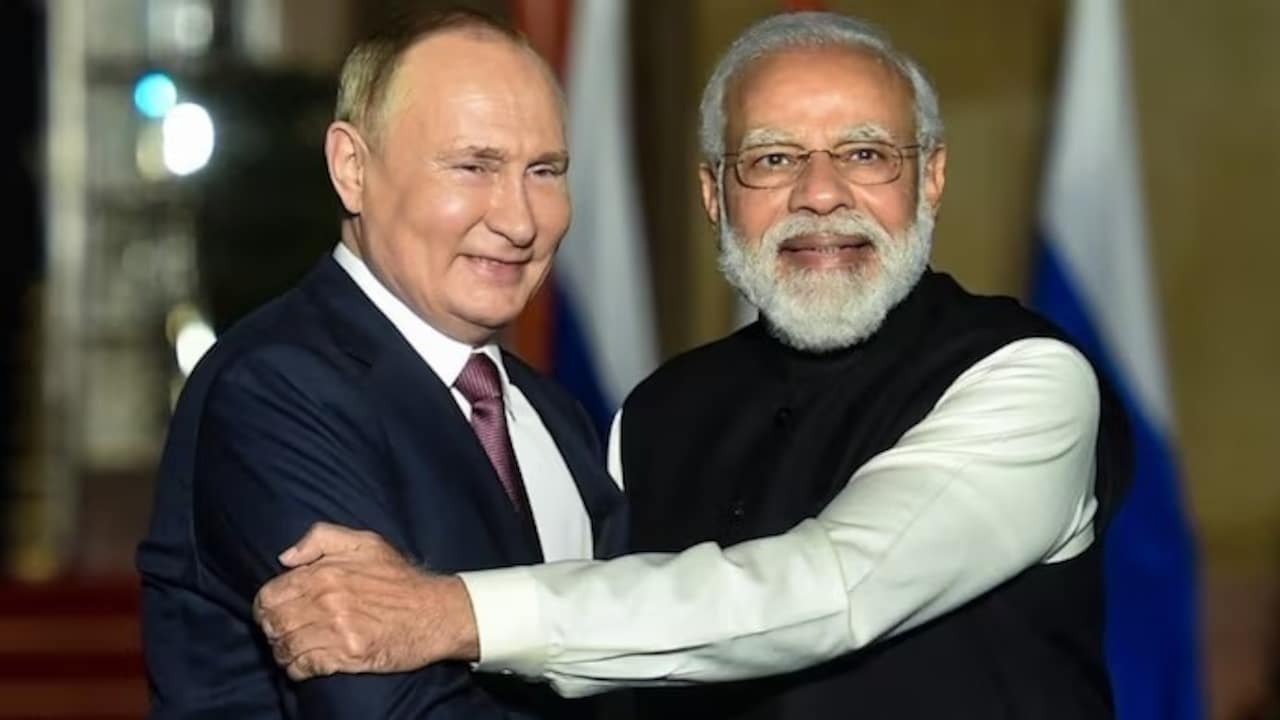
The Kremlin has issued a sharp response to President Donald Trump’s claims that India will stop buying Russian oil. Kremlin spokesman Dmitry Peskov stated Wednesday that India is free to buy crude from any country it chooses. Still, Moscow insists it has received no official confirmation from New Delhi about a total ban.
Add businessleague.in as a Preferred Source


Also Read |Tamil Nadu Voter List Purge: 97 Lakh Names Deleted in SIR Phase 1
Russia Dismisses Claims of Immediate Oil Exit
President Trump announced a trade deal this week that slashes tariffs on Indian goods to 18%. In exchange, he claimed Prime Minister Modi agreed to halt Russian oil purchases and pivot toward the US and Venezuela. However, the Russian Foreign Ministry remains skeptical of this narrative.
Meanwhile, spokesperson Maria Zakharova argued that the hydrocarbon trade is “mutually beneficial” for both nations. In fact, she noted that Russian oil helps maintain stability in the global energy market. Thus, Moscow intends to continue its strategic partnership with New Delhi despite the rhetoric from Washington.
The Shift: Falling Russian Volumes and US Pressure
India was once taking over 2 million barrels per day (bpd) of Russian crude. Now, that figure has dropped significantly. According to Kpler data, imports fell to 1.3 million bpd in December and hit 1.21 million bpd in January. Therefore, the downward trend is already visible before the formal deal takes full effect.
Next, Indian refiners are looking toward the Middle East and the US to fill the gap. Iraq and Saudi Arabia have already seen their volumes rise as India diversifies. In fact, Iraq is now supplying nearly the same volume as Russia. This shift is a direct result of the 25% “punitive” tariff the US previously applied to Indian goods over Russian energy ties.
Also Read |Tamil Nadu Voter List Purge: 97 Lakh Names Deleted in SIR Phase 1
Technical Hurdles: Can US Shale Replace Russian Urals?
Experts warn that stopping Russian imports is not a simple “on-off” switch. Russian Urals are heavy and sulfur-rich, while US shale oil is light and sweet. As a result, many Indian refineries are optimized for the Russian grade. Replacing it with US crude requires complex blending, which adds significant costs.
Moreover, the distance to Venezuela is massive compared to Middle Eastern routes. This means higher freight expenses for Indian consumers. Still, the US maintains that India has committed to a $500 billion investment package that includes massive energy purchases. Whether this can be sustained without spiking domestic fuel prices remains a major question.
Reality Check: The Narrative vs. The Pipelines
The official White House narrative suggests a clean break from Moscow, but the reality is messier. In fact, Prime Minister Modi has not publicly confirmed a total stop to Russian oil. Therefore, the “deal” might be more about a gradual reduction rather than an immediate exit. Still, the US is using the 18% tariff carrot to force India’s hand. If New Delhi continues to buy Russian oil “under the table,” it risks losing the hard-won tariff relief that took months to negotiate.
Also Read |Tamil Nadu Voter List Purge: 97 Lakh Names Deleted in SIR Phase 1
The Loopholes: Why Russian Oil Won’t Disappear
Despite the high-profile deal, several gray areas remain in the energy transition.
-
Existing Contracts: Indian refiners like IOC and BPCL have long-term contracts that require a “wind-down” period.
-
Private Refiners: Nayara Energy, partly owned by Rosneft, remains heavily anchored to Russian supply and may resist a total pivot.
-
The “Laundering” Effect: There are concerns that Russian oil could be refined in third countries and sold to India as non-Russian product.
Also Read |Tamil Nadu Voter List Purge: 97 Lakh Names Deleted in SIR Phase 1
What This Means for You
As a consumer, you may see volatility in fuel prices as India shifts its supply chain. The loss of “discounted” Russian oil could put upward pressure on petrol and diesel costs. Therefore, keep an eye on government subsidies and retail price changes at the pump in the coming months.
Next Steps
Follow the official Petroleum Ministry updates for any new directives given to state-run refiners. You should also watch the price of Brent crude, as any supply tightening could erase the benefits of the US trade deal. Finally, check for the full text of the India-US agreement to see the specific timelines for the oil exit.
Also Read |Tamil Nadu Voter List Purge: 97 Lakh Names Deleted in SIR Phase 1
End….
Add businessleague.in as a Preferred Source
🙏 Support Independent Journalism
We keep news free for you.
Most readers support with ₹500 ❤️
or scan QR below

Voluntary contribution. No tax benefits.
DISCLAIMER
We have taken all measures to ensure that the information provided in this article and on our social media platform is credible, verified and sourced from other Big media Houses. For any feedback or complaint, reach out to us at businessleaguein@gmail.com