The Union Government, led by Minister Jitin Prasada, introduced the Jan Vishwas (Amendment of Provisions) Bill, 2026 in the Lok Sabha on Friday, proposing a radical shift in how the Delhi and Kolkata Metro systems penalize misconduct. Under the new framework, criminal penalties for minor offenses are being replaced by significantly higher administrative fines to promote “Ease of Living” and “Ease of Doing Business.”
Add businessleague.in as a Preferred Source


If passed, the Bill will amend 784 provisions across 79 Central Acts, specifically targeting the Metro Railways (Operation and Maintenance) Act, 2002.
Also Read |Tamil Nadu Voter List Purge: 97 Lakh Names Deleted in SIR Phase 1
Proposed Penalty Hikes: Delhi & Kolkata Metro
The Bill moves away from imprisonment for technical defaults, opting instead for “deterrent-level” financial penalties.
| Offence | Current Penalty | Proposed Penalty (Jan Vishwas 2026) | Change Type |
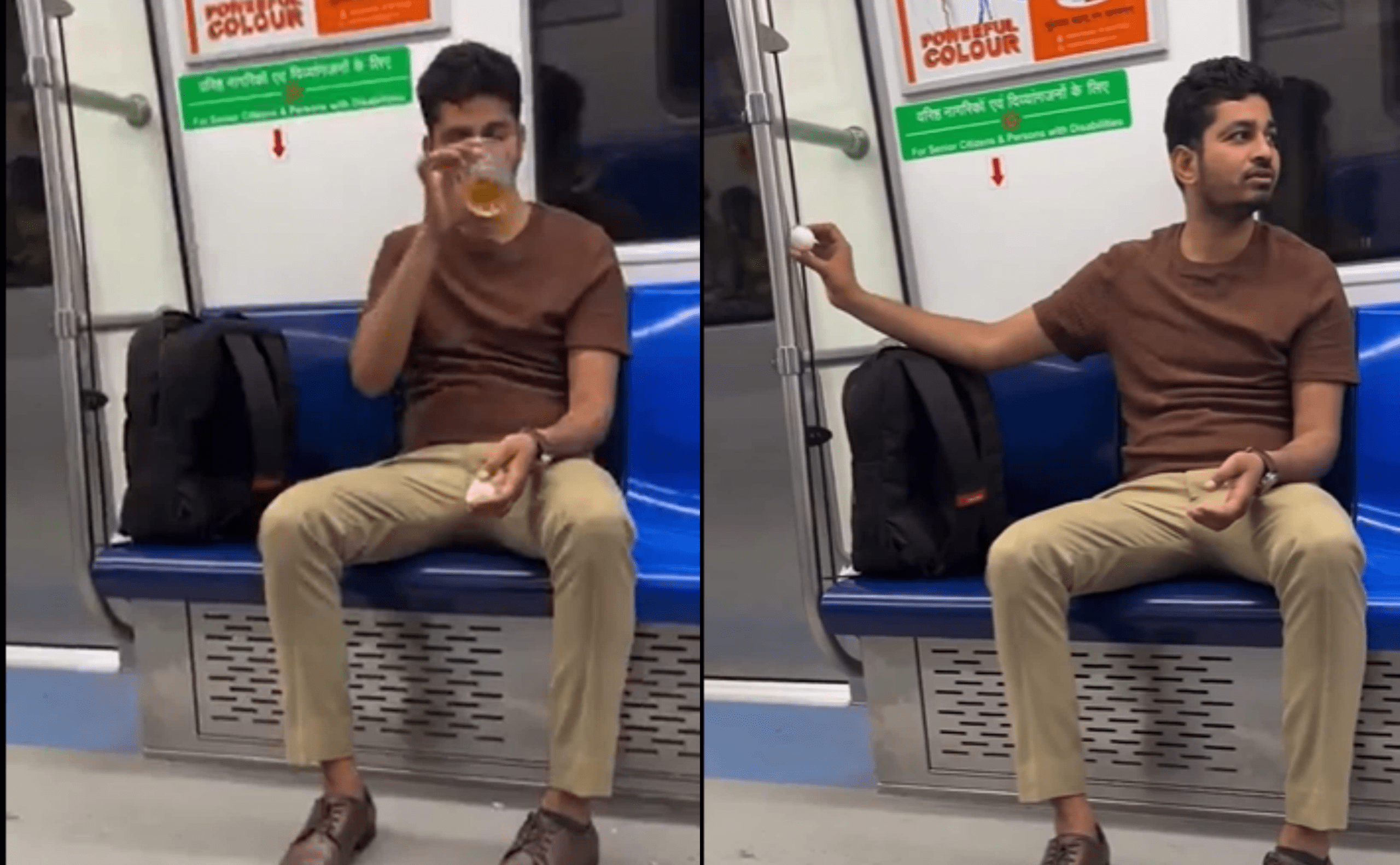
| Drunken Behaviour | ₹500 | ₹2,000 – ₹5,000 | Fine Increase + Removal |
| Walking on Tracks | ₹500 | Up to ₹20,000 | 40x Increase |
| Protests/Posters | ₹1,000 or 6 Months Jail | Up to ₹10,000 | Decriminalized |
| Smoking (Kolkata) | ₹250 | ₹2,000 | 8x Increase |
Decriminalization vs. Deterrence
The core philosophy of the 2026 Bill is to reduce the burden on the criminal justice system.
Also Read |Tamil Nadu Voter List Purge: 97 Lakh Names Deleted in SIR Phase 1
-
Shift to Civil Enforcement: By removing the “six-month jail term” for staging sit-in protests or putting up posters, the government aims to treat these as administrative violations rather than criminal acts.
-
Economic Growth: The government statement emphasizes that reducing criminal liability for minor non-compliance fosters a “trust-based legal environment” that encourages investment and simplifies regulatory processes.
-
Broad Impact: Beyond the Metro Acts, the Bill tweaks 717 provisions across 23 Ministries to ensure citizens aren’t subjected to criminal sanctions for procedural defaults.
Operational Impact on DMRC and KMRL
For the Delhi Metro Rail Corporation (DMRC) and Kolkata Metro, the Bill provides clearer enforcement powers. Security personnel (CISF) will no longer need to navigate complex criminal filing for a passenger found drunk; they can simply impose a ₹5,000 fine and remove the individual from the premises. The massive jump in the fine for walking on tracks (from ₹500 to ₹20,000) is specifically designed to curb the rising instances of commuters crossing tracks to change platforms, which has frequently led to suicide attempts and operational delays.
Investigative Insight: The “Social Cost” of Decriminalization
While the Bill is framed as an “Ease of Living” measure, the 2,000% jump in fines for walking on tracks suggests a “User-Pays” model for safety. By decriminalizing protests but increasing the fine to ₹10,000, the government is effectively making political expression on public transport a “luxury violation.” Furthermore, the timing of this Bill in March/April 2026 is strategic; as the Metro networks expand into Phase IV in Delhi, the DMRC is struggling with a mounting maintenance deficit. These higher administrative fines will likely be funneled directly back into the “Operation and Maintenance” fund, turning commuter misconduct into a new revenue stream for the debt-laden Metro corporations.
Also Read |Tamil Nadu Voter List Purge: 97 Lakh Names Deleted in SIR Phase 1
End…..
Add businessleague.in as a Preferred Source
🙏 Support Independent Journalism
We keep news free for you.
Most readers support with ₹500 ❤️
or scan QR below

Voluntary contribution. No tax benefits.
DISCLAIMER
We have taken all measures to ensure that the information provided in this article and on our social media platform is credible, verified and sourced from other Big media Houses. For any feedback or complaint, reach out to us at businessleaguein@gmail.com