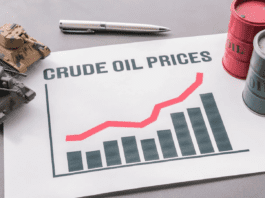

While global peers like Japan and South Korea maintain over 200 days of backup supply, a new study reveals India’s extreme exposure to geopolitical shocks, shipping disruptions, and a lack of strategic gas storage.
A comprehensive new assessment of India’s energy infrastructure has issued a stark warning regarding the country’s vulnerability to global supply chain disruptions. According to a report released on Wednesday by the Council on Energy, Environment and Water (CEEW), India’s current strategic petroleum reserves (SPR) hold enough crude oil to cover a meager 9 to 10 days of net imports.
Add businessleague.in as a Preferred Source


Most Popular : –
- The Border Transit Mandate: Analyzing Iran World Cup Team Political Tensions 2026
- Countering the Disinformation: Analyzing the E20 Fuel Vehicle Insurance Validation PIB Metric
The report, titled ‘How Secure is India’s Energy Future? Assessing Accessibility, Reliability, and Affordability,’ highlights a massive disparity between India and other major import-dependent Asian economies. While New Delhi operates on a single-digit day cushion, nations like Japan and South Korea maintain robust strategic stockpiles capable of sustaining their domestic energy needs for over 200 days without a single drop of fresh imports.
[National Strategic Oil Reserves — Days of Import Cover]

India:        ███ 9-10 Days
Japan:        ██████████████████████████████████████████ 200+ Days
South Korea:  ██████████████████████████████████████████ 200+ Days
High Concentration of Suppliers Increases Vulnerability
Compounding the risk of low physical storage is India’s heavy reliance on a very narrow cluster of global oil suppliers. The CEEW study reveals that over 85 percent of India’s crude oil imports are sourced from just six nations, led primarily by Russia and traditional West Asian producers. This lack of geographical diversity severely limits India’s flexibility if a localized conflict or political blockade shuts down key maritime routes.
“Disruptions in crude oil, LNG, LPG, coal, or key shipping routes can quickly affect cooking costs, transport fuel prices, fertilizer subsidies, industrial competitiveness, and inflation,” explained Hemant Mallya, a fellow at the CEEW.
The security gaps extend beyond crude oil into other vital sectors:
-
Zero Strategic Gas Storage: India currently imports nearly half of its natural gas consumption as Liquefied Natural Gas (LNG). However, the country possesses zero dedicated, state-controlled strategic gas storage facilities, leaving national fertilizer plants and urban city gas networks completely exposed to international spot-price volatility.
-
Coking Coal Dependencies: The domestic steelmaking sector remains structurally reliant on imported coking coal, primarily sourced from Australia. Meanwhile, non-coking coal imports for the power sector remain highly sensitive to regulatory changes and sudden export policy shifts in Indonesia.
Most Popular : –
- The Border Transit Mandate: Analyzing Iran World Cup Team Political Tensions 2026
- Countering the Disinformation: Analyzing the E20 Fuel Vehicle Insurance Validation PIB Metric
Clean Energy: A New Frontier of Strategic Dependence
On the domestic front, the report points out that the traditional economic advantage of coal-fired power is narrowing rapidly. Declining coal quality across domestic mines combined with rising extraction and logistics costs mean that firm, baseline renewable power is fast becoming a cheaper alternative to building out further fossil-fuel infrastructure.
[Rising Coal Extraction Costs + Dropping Quality]
                        │
                        ▼
   [Narrows Cost Advantage of Fossil Fuel Power]
                        │
                        ▼
[Accelerates Transition to Green Tech & Critical Minerals]
                        │
                        ▼ (Introduces New Supply Chain Risks)
[Requires Strategic Pacts, Recycling, & Domestic Manufacturing]
However, CEEW researchers stress that transitioning to green energy does not automatically eliminate geopolitical risks; rather, it shifts the nature of the dependence. Moving away from fossil fuels introduces a strategic reliance on critical minerals (such as lithium, cobalt, and nickel), processing technologies, and specialized hardware components. The report notes that India must actively manage this shift through aggressive domestic manufacturing incentives, supply-chain diversification, recycling infrastructure, and long-term international trade pacts.
Most Popular : –
- The Border Transit Mandate: Analyzing Iran World Cup Team Political Tensions 2026
- Countering the Disinformation: Analyzing the E20 Fuel Vehicle Insurance Validation PIB Metric
A Blueprint for Future Energy Security
To safely navigate the next phase of economic growth, the CEEW argues that India must look past the old playbook of simply securing more foreign fossil fuel shipments. The study recommends a clear, legally backed structural transition roadmap.
Key recommendations include optimizing the utilization of existing natural gas networks, halting further massive oil refinery expansions, and accelerating the deployment of viable electric vehicle (EV) initiatives. Furthermore, industrial sectors must prioritize electrification, while existing oil refineries need to be reconfigured to produce less gasoline as domestic vehicle fleets shift toward battery power. Building resilient, transparent supply chains for green technology remains the ultimate shield against global energy shocks.
SECTION 4 — FAQ
Q1: What are India’s current Strategic Petroleum Reserves (SPR) locations?
India’s underground strategic crude oil storage facilities are managed by the Indian Strategic Petroleum Reserves Limited (ISPRL). The existing Phase-1 storage sites are located in subterranean rock caverns at Visakhapatnam (Andhra Pradesh), Mangaluru (Karnataka), and Padur (Karnataka), providing a combined capacity of 5.33 million metric tonnes.
Q2: Why does India maintain significantly fewer reserve days than Japan or South Korea?
Japan and South Korea established their extensive 200-plus day stockpiles over decades, aligned with strict International Energy Agency (IEA) mandates which recommend keeping emergency oil stocks equivalent to at least 90 days of net imports. India, as an associate member rather than a full IEA member, is actively expanding its Phase-2 storage plans to increase its reserve capacity but currently faces fiscal and logistical constraints.
Q3: How does a shortage in natural gas storage affect everyday Indian consumers?
Because India imports 50% of its natural gas and lacks a strategic emergency stockpile, any global pipeline or shipping disruption immediately sends LNG prices higher. This directly increases the production costs for domestic fertilizer manufacturing—driving up government subsidies—and spikes the prices of Piped Natural Gas (PNG) for kitchens and Compressed Natural Gas (CNG) for public transportation.
Most Popular : –
- The Border Transit Mandate: Analyzing Iran World Cup Team Political Tensions 2026
- Countering the Disinformation: Analyzing the E20 Fuel Vehicle Insurance Validation PIB Metric
Add businessleague.in as a Preferred Source
🙏 Support Independent Journalism
We keep news free for you.
Most readers support with ₹500 ❤️
or scan QR below

Voluntary contribution. No tax benefits.
DISCLAIMER
We have taken all measures to ensure that the information provided in this article and on our social media platform is credible, verified and sourced from other Big media Houses. For any feedback or complaint, reach out to us at businessleaguein@gmail.com