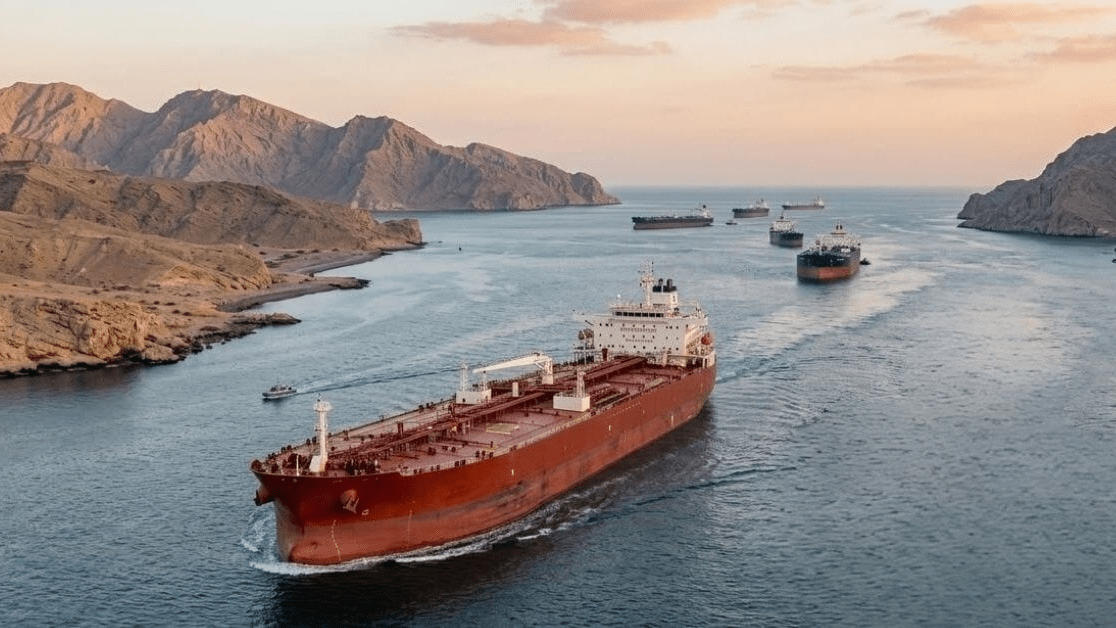
Now India issued a powerful statement at the United Nations. The country urged the immediate restoration of safe shipping. Specifically, this call targets the volatile Strait of Hormuz. India’s Permanent Representative, Parvathaneni Harish, led the address on Thursday. Therefore, New Delhi is signaling its growing concern over maritime security.
Add businessleague.in as a Preferred Source


Meanwhile, Harish slammed the military targeting of commercial tankers. He called such attacks completely unacceptable under international law.
But the human cost remains India’s biggest worry.
Also Read |Tamil Nadu Voter List Purge: 97 Lakh Names Deleted in SIR Phase 1
India’s Stand at the UN General Assembly
Now India used the Veto Initiative debate to speak. Ambassador Parvathaneni Harish delivered the country’s official statement. Therefore, New Delhi is actively participating in the “Situation in the Middle East.”
The Veto Initiative Context
First, the debate follows recent stalemates in the Security Council. Then, India stepped in to prioritize global commerce. Thus, the address focused on the stability of maritime routes.
Next, Harish emphasized that security is not a choice. It is a necessity for the world economy. Meanwhile, he urged the UN to take decisive action.
“Safe navigation must be restored at the earliest,” Harish stated.
Prioritizing Safety
So India’s intervention was timely and firm.
First, it addressed the February 28 escalation directly. Then, it called for a return to diplomacy. Therefore, India is acting as a voice of restraint.
The Economic Importance of the Strait of Hormuz
Now why is India so focused on this corridor? The answer lies in the numbers of global energy. Therefore, any blockade hits the Indian economy immediately.
The Energy Pipeline
First, about 20% of the world’s oil passes here. It is the only way out for Gulf crude. Then, India imports a massive share of its energy from this region. Thus, a closed Hormuz means rising prices at home.
Next, the Strait is a vital link for non-oil trade. It connects the East and West through shipping lanes. Therefore, maritime security remains critical for India’s economic interests.
Disruption Risks
Meanwhile, insurance rates for tankers are soaring. Companies are afraid to send ships into the Gulf. Thus, the cost of every barrel of oil increases.
So the “quantity impact” is a real threat now.
Deploring the Targeting of Commercial Ships
Now India used strong language at the UN. Harish “deplored” the fact that tankers are military targets. Therefore, India is breaking its silence on specific maritime attacks.
Unacceptable Targeting
First, commercial shipping should be neutral in conflicts. Then, recent weeks saw drones and missiles hitting cargo ships. Thus, the safety of innocent crews is gone.
Next, India reiterated its position on freedom of navigation. No state should impede the movement of civilian vessels. Therefore, the current military actions are a violation.
“This targeting is unacceptable,” Harish said during the debate.
Slamming Escalation
So the government is urging all states to stop.
First, they want an end to the “tanker war” tactics. Then, they want a de-escalation of military naval presence. Therefore, the focus must return to civilian trade.
Also Read |Tamil Nadu Voter List Purge: 97 Lakh Names Deleted in SIR Phase 1
The Human Cost: Indian Seafarers at Risk
Now this issue is personal for India. Thousands of Indian nationals work on global commercial ships. Therefore, the conflict has a direct human toll on Indian families.
Victims of the Conflict
First, Harish highlighted the loss of “precious lives.” Indian seafarers have been killed in recent Gulf attacks. Then, many others are currently trapped on damaged vessels. Thus, the national outrage is growing.
Next, the families of these seafarers are demanding protection. They want the government to ensure safe passages. Therefore, India’s UN statement reflects this internal pressure.
Protection of Civilians
Meanwhile, India is pushing for better rescue protocols. They want neutral zones for civilian sailors. Thus, seafarers should not be “collateral damage.”
So the safety of citizens is the top priority.
Demanding Respect for International Law
Now India is calling for a return to rules. Specifically, they want strict adherence to the UNCLOS. Therefore, international law must be the primary guide.
The Legal Framework
First, the law of the sea protects free passage. Every nation has the right to navigate international straits. Then, the current threats undermine these long-standing rules. Thus, the global order is at risk.
Next, India urged all states to respect territorial integrity. They should not use maritime lanes for sovereign aggression. Therefore, the UN must enforce these existing treaties.
“International law must be fully respected,” Harish urged.
Restoring Normalcy
So how do we fix the legal gap?
First, neutral observers should monitor the Strait. Then, a “safe shipping zone” must be established. Therefore, tankers can pass without fear of missile strikes.
India’s Support for Sovereignty and Dialogue
Now India is not taking sides in the broader war. Instead, they support the sovereignty of all states. Therefore, the solution must be through dialogue and diplomacy.
The Middle Path
First, India consistently calls for “restraint.” They want all parties to lower their weapons. Then, they suggest a purposeful address of underlying issues. Thus, peace is the only long-term fix.
Next, Harish reaffirmed respect for territorial integrity. No nation should violate the borders of another. Therefore, India remains a balanced voice in the UN.
The Power of Diplomacy
Meanwhile, India is talking to all Gulf leaders. They are using their “strategic autonomy” to mediate. Thus, New Delhi hopes to reduce the regional fever.
So dialogue is better than a blockade.
Also Read |Tamil Nadu Voter List Purge: 97 Lakh Names Deleted in SIR Phase 1
Current Tensions in the Gulf Region
Now the situation has been critical since February. A series of incidents led to the current blockade. Therefore, the region is on the brink of a wider war.
The February 28 Trigger
First, a major naval clash occurred in late February. This led to the dual blockade by regional powers. Then, the Strait of Hormuz became a “no-go” zone. Thus, global supply chains snapped.
Next, the rhetoric between Iran and the West grew. Each side threatened to sink the other’s tankers. Therefore, the UNGA debate became an urgent necessity.
A Fragile Peace
Meanwhile, the current ceasefire is very shaky. Any small mistake could restart the drone attacks. Thus, India’s call for “safe shipping” is a race against time.
Energy Security and the Hormuz Corridor
Now India’s energy security is tied to the Strait. If Hormuz stays blocked, India’s growth slows down. Therefore, this UN intervention is a survival move.
The Strategic Buffer
First, India has strategic petroleum reserves. But these only last for about 90 days. Then, the country needs constant fresh shipments. Thus, the Strait must stay open.
Next, the government is looking for alternate routes. But no other route is as efficient as Hormuz. Therefore, the restoration of safe shipping is the only viable plan.
Global Impact
Meanwhile, the whole world is watching India’s move. Other major importers like China share these concerns. Thus, a collective push for maritime safety is forming.
Finally, the safety of the seas is everyone’s business.
Common Questions Answered
What is India’s position on the Strait of Hormuz? Now India calls for the immediate restoration of safe shipping. They believe targeting tankers is a violation of international law.
Who delivered the statement at the UN? First, Ambassador Parvathaneni Harish delivered the speech. He is India’s Permanent Representative to the UN.
Why is the Strait of Hormuz important to India? Next, it is a key corridor for India’s energy imports. About 20% of global oil passes through this strait.
What happened to Indian seafarers? So several Indian seafarers have lost their lives in the conflict. India is demanding better protection for civilian crews.
What law did India cite at the UN? Finally, India cited international maritime law. They want all states to respect the freedom of navigation.
Also Read |Tamil Nadu Voter List Purge: 97 Lakh Names Deleted in SIR Phase 1
End…
Add businessleague.in as a Preferred Source
🙏 Support Independent Journalism
We keep news free for you.
Most readers support with ₹500 ❤️
or scan QR below

Voluntary contribution. No tax benefits.
DISCLAIMER
We have taken all measures to ensure that the information provided in this article and on our social media platform is credible, verified and sourced from other Big media Houses. For any feedback or complaint, reach out to us at businessleaguein@gmail.com