
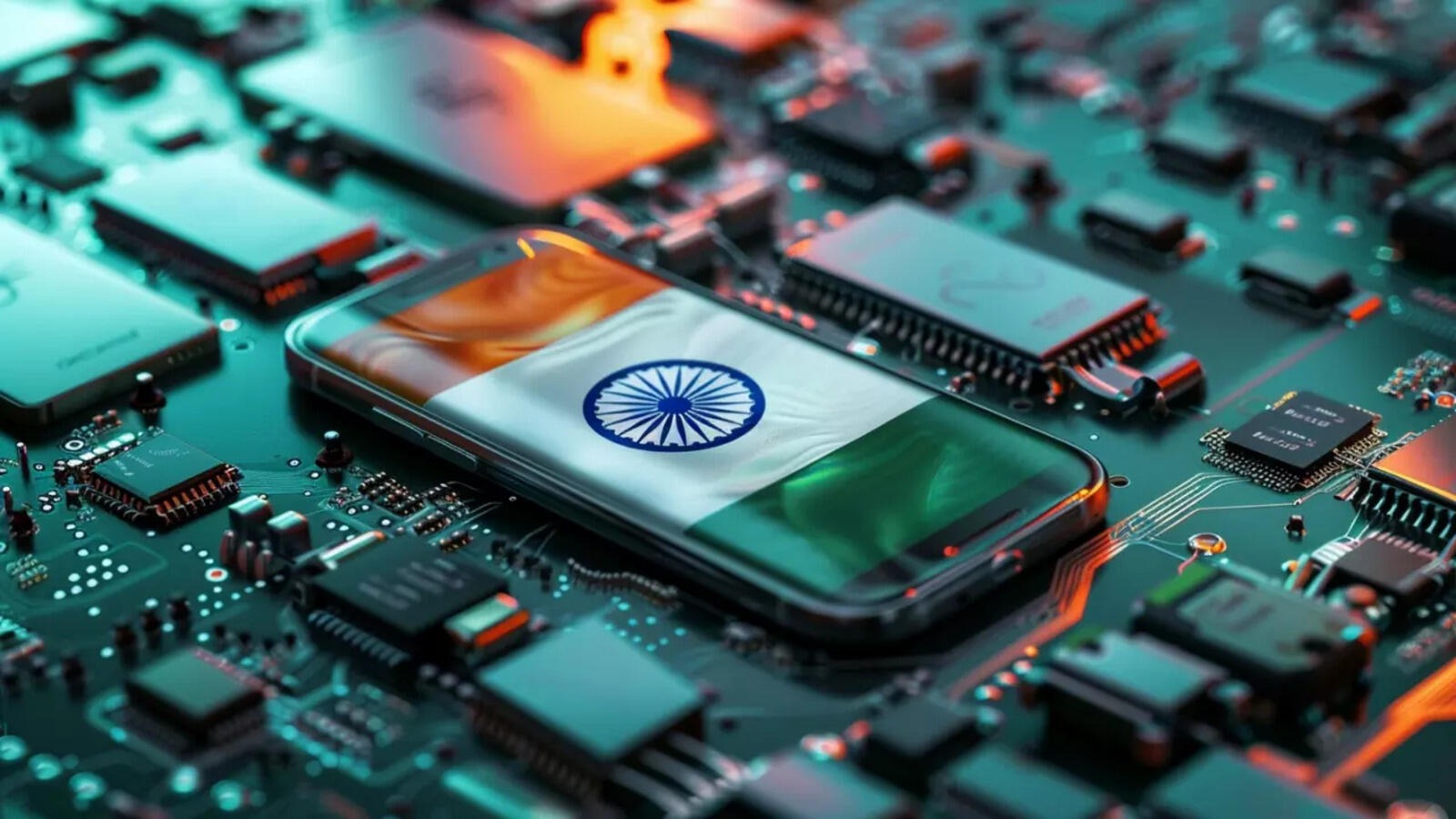
The global tech world just had a collective heart attack, and the epicenter is New Delhi. As of Monday, January 12, 2026, a massive “tug-of-war” has broken out between the Indian government and giants like Apple, Samsung, and Google over a proposed security overhaul that is, frankly, unheard of in the industry.1
Add businessleague.in as a Preferred Source


The thing is, the government is asking for the “keys to the kingdom”—the source code.2 Or nothing. Let’s be real, even the FBI couldn’t get Apple to hand that over. Those too.
Also Read |Tamil Nadu Voter List Purge: 97 Lakh Names Deleted in SIR Phase 1
The “Source Code” Log: Field Notes
It’s an ongoing situation where India wants to verify every line of code on your phone to stop “malicious usage” and data breaches.3
-
The 83 Standards: The Ministry of Electronics and Information Technology (MeitY) has drafted a package of 83 security standards.4 The thing is, the most explosive one is a requirement for “vulnerability analysis” through a full review of proprietary source code at designated Indian labs.5
-
The Industry Revolt: The MAIT (representing Apple, Samsung, etc.) has sent a confidential “not possible” memo to the government.6 Their argument? It’s a privacy nightmare, it risks leaking trade secrets, and it has absolutely zero global precedent.7 Not even the EU goes this far.
-
The Update Gate: Another rule would force companies to alert the government to major software updates before they go live.8 The thing is, manufacturers say this is “impractical” because security patches need to be pushed out in hours, not weeks of government testing.9
-
User Control: The proposal also wants to mandate that all pre-installed apps (bloatware) must be deletable and that phones must have a hard block on apps using cameras/mics in the background.10
Also Read |Tamil Nadu Voter List Purge: 97 Lakh Names Deleted in SIR Phase 1
The Proposed “Security Shield” vs. Industry Pushback
| Proposed Rule | Government’s “Why” | Industry’s “But…” |
| Source Code Access | To check for backdoors/spyware. | Secrecy risk; “Not possible.” |
| 12-Month Log Storage | To track forensic digital trails. | Phones don’t have the storage for 1 year of logs. |
| Malware Scanning | Automatic, periodic phone checks. | Massive battery drain & slower hardware. |
| Update Pre-Approval | To ensure updates don’t break security. | Delays leave users vulnerable to active hacks.11 |
And Here’s the Kicker…
As of this morning, the government’s PIB Fact Check has officially labeled the “forcing” part of the Reuters report as “FAKE.” The thing is, while they deny “forcing” anyone yet, they confirmed that consultations are active.12 It’s an ongoing situation where the government says they are just “understanding best practices,” while the leaked documents show they are very much considering making these rules legally binding. And then there’s the meeting—senior tech execs are scheduled to meet with MeitY officials tomorrow, Tuesday, Jan 13, for what is likely going to be a very tense room.13
If India actually pushes through with the source code requirement, we could be looking at a “Blackberry 2010” moment where tech giants threaten to pull specific services—or even hardware—out of the market entirely.
Also Read |Tamil Nadu Voter List Purge: 97 Lakh Names Deleted in SIR Phase 1
End…
Add businessleague.in as a Preferred Source
We have taken all measures to ensure that the information provided in this article and on our social media platform is credible, verified and sourced from other Big media Houses. For any feedback or complaint, reach out to us at businessleaguein@gmail.com