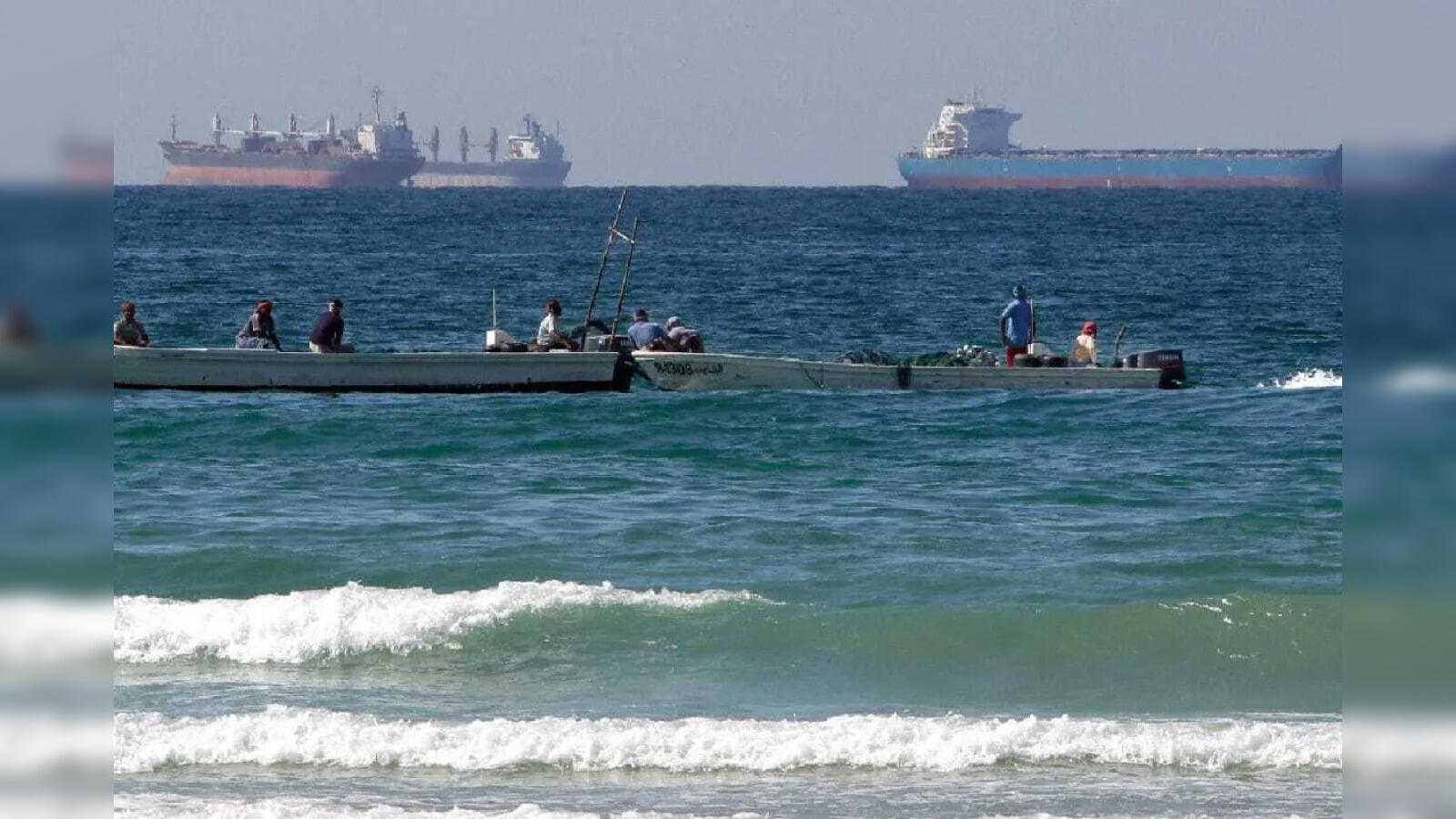
Now the internal maritime security and energy procurement architectures safeguarding India’s multi-billion dollar economic expansion are shifting into a high-priority operational deployment phase. The central government has nearly finalized a comprehensive, high-stakes tactical framework to restart domestic crude oil and liquefied gas shipments through the volatile Strait of Hormuz. According to definitive intelligence updates, the Shipping Corporation of India (SCI) has actively lined up its heavy tanker fleet to re-enter the Gulf region on Thursday, May 21, 2026. Therefore, global macro energy trading desks and maritime insurance consortia are tracking New Delhi’s upcoming moves with absolute precision. Following severe disruptions triggered by regional warfare, utilizing heavily armored naval escorts to secure these short-transit shipping lines stands as an absolute mechanical necessity to protect the country’s domestic fuel ledger.
Add businessleague.in as a Preferred Source


Also Read |Tamil Nadu Voter List Purge: 97 Lakh Names Deleted in SIR Phase 1
At a Glance: India Hormuz Energy Transit Rehabilitation Matrix
| OPERATIONAL INFRASTRUCTURE NODE | TARGET DISPATCH CONFIGURATION | SYSTEMIC SECURITY PROTOCOL | MACROECONOMIC MOTIVATION |
| Primary Fleet Fleet Core | Shipping Corporation of India (SCI) | Continuous naval warship escort lines | Bypassing slow, high-cost alternative loops |
| Sovereign Choke point Grid | The Strait of Hormuz Channel | Heavy aerial surveillance overlays | Securing baseline West Asian price stability |
| Diplomatic Engagement Core | Jaishankar-Araghchi BRICS Panel | Un-confirmed bilateral safety pacts | Reducing raw import currency inflation |
| Domestic Conservation Flag | Responsible Resource Management | Direct ministerial conservation calls | Shielding local manufacturing lines from shocks |
The Hormuz Rehabilitation: Unpacking SCI’s Fleet Readiness Status
Now the material logistics profiles managed by state-run maritime transport operations present a clear picture of active hardware preparation. The Shipping Corporation of India has successfully organized a specialized fleet of large crude carriers and fuel transports to initialize transits. Therefore, corporate harbor masters are testing localized fuel pumping links to ensure that vessels can load regional crude volumes without facing mechanical delays.
First, the core program has finalized all internal vessel screening protocols to confirm that hulls can withstand long-term deployment inside high-stress maritime grids. Next, while the physical ships sit completely ready for immediate deployment, final clearance remains tightly pending until top defense committees complete their reviews. Thus, the mechanical necessity of securing absolute institutional backing prevents carriers from entering volatile ocean sectors prematurely.
So this extensive logistical coordination represents the country’s first major attempt to open large-scale energy channels since cross-border frictions slowed down regional ship movements. Fleet managers are keeping active communication links open with international ports to monitor real-time dock space availability across supplier nations. Meanwhile, maritime safety offices are issuing updated safety equipment kits to all civilian crews assigned to these upcoming routes. Therefore, the fleet readiness profiles establish an exceptionally disciplined baseline for the nation’s impending maritime resource push.
Naval Escort Substrates: Deploying Active Warships and Air Surveillance Grids
Nowhere does the execution of sound economic risk management show higher visibility than across the massive naval defense shields deployed around modern shipping routes. Parallel to the fleet scheduling protocols optimized by merchant planners, the Indian Navy has significantly scaled up its physical presence inside the Gulf area. Therefore, fleet admirals are running non-stop defensive patrols to shield incoming commercial hulls from facing asymmetric drone or sea mines.
First, look at the security metrics: the central command has increased the total number of deployed warships patrolling near critical choke points. Next, this strong surface fleet is tightly integrated with advanced, long-range aerial surveillance systems that scan ocean shipping lanes continuously. Thus, the mechanical necessity of spotting potential maritime threats early allows escort crews to neutralize incoming tracking signals well before they touch merchant hulls.
[SCI Merchant Tankers Prepared for Gulf Entry] ──► Fleet Sits in Staging Hubs Awaiting Final Safety Clearance
                                                           │
                                                           ▼ (The Active Naval Shield Insertion)
[Indian Navy deploys Warship Escort Layers]     ──► Initializes High-Speed Aerial Radar & Sonar Patrols
                                                           │
                                                           ▼
[Secure High-Volume Energy Transit Corridor]    ──► Safely Delivers Critical West Asian Crude to Indian Ports
So these coordinated defensive operations provide an exceptional shield that escorts friendly vessels straight through the most sensitive stretches of the channel. The continuous presence of local warships ensures that passing merchant captains enjoy stable, un-interrupted communication links back to homeland defense centers. Meanwhile, ballistics technicians are analyzing regional threat profiles to optimize the automated countermeasure blocks mounted across friendly hulls. Therefore, the naval protection substrate functions as an elite framework that guarantees total safety during high-stakes resource transits.
Also Read |Tamil Nadu Voter List Purge: 97 Lakh Names Deleted in SIR Phase 1
The West Asian Anchor: Why Freight Economics Override Regional Risks
Now exploring the underlying macroeconomic procurement data confirms that the domestic economy remains deeply attached to traditional Gulf suppliers for its foundational energy needs. Even though crude import volumes from northern non-traditional partners have scaled up over recent quarters, West Asian corridors preserve a critical role. Therefore, domestic petroleum refiners prioritize these regional supplies to keep their daily processing margins healthy.
-
The West Asian Logistical Benchmarks:
-
Delivery Velocity: Offers exceptionally short travel times compared to alternative cross-ocean transit options.
-
Pricing Advantages: Highly competitive raw extraction costs keep baseline purchase values optimized for local buyers.
-
Infrastructure Linkage: Specialized domestic refining systems are calibrated precisely to process specific regional oil grades.
-
Alternative Route Costs: Navigating longer detour paths around far coastlines increases final freight bills considerably.
-
First, this geometric transport advantage guarantees that local oil companies can replenish their raw processing yards without encountering extreme multi-week ocean transit delays. Next, the high financial overhead attached to alternative long-haul routes increases the cost of finished consumer products at home. Thus, the mechanical necessity of utilizing the short Hormuz channel becomes completely undeniable despite the obvious security challenges running across the waterway.
The Jaishankar-Araghchi Briefings: Evaluating Geopolitical Clearances in New Delhi
Now the high-level diplomatic framework undergirding this maritime resumption plan relies on intense bilateral negotiations conducted at the ministerial level. External Affairs Minister S Jaishankar recently hosted Iranian Foreign Minister Abbas Araghchi during a specialized BRICS ministerial assembly held inside the national capital. Therefore, global strategy analysts are scanning these high-level talks to identify the key political rules that will guide upcoming ship movements.
First, look at the discussion agenda: the executive leaders focused heavily on stabilizing commercial navigation rules and securing firm protection protocols for Indian merchant ships. Next, while these core talks finished with high personal rapport, formal clearance documentation from global monitoring bodies remains un-signed. Thus, the system effectively operates in a cautious waiting posture until all major international partners finish auditing the proposed transit rules.
[Bilateral Ministers Convene in New Delhi] ──► Initialize High-Priority Maritime Security Reviews
                                                       │
                                                       ▼ (The Diplomatic Alignment Phase)
[Draft Detailed Tanker Protection Pacts]   ──► Coordinates Rules of Engagement with Regional Water Authorities
                                                       │
                                                       ▼
[Await Final International Clearances]     ──► Prepares Secure Operational Windows for Immediate Tanker Runs
So the ongoing diplomatic push aims to build a highly stable corridor that protects commercial crews from facing sudden regulatory detentions at sea. This careful political balancing act helps the country maintain open trade communication lines with both Western tracking groups and local coastal powers. Meanwhile, central trade attachés are preparing specialized documentation packages to ensure that incoming tankers comply fully with changing local security rules. Therefore, the Jaishankar-Araghchi briefings provide an exceptionally strategic backdrop that paves the way for safe commercial transits.
The US-Tehran Standoff: Navigating Strict Maritime Tracking Environments
Nowhere does the execution of sound ship steering require higher technical precision than across the heavily monitored sectors of the Ormuz passage. The wider channel area is experiencing extreme surveillance stress as the United States military commands strict oversight across all local naval movements. Therefore, commercial ship captains must navigate their vessels through a dense matrix of electronic tracking fields and changing maritime blockades.
-
The Chokepoint Surveillance Challenges:
-
Electronic Tracking Fields: Western task forces running constant electronic tracking arrays to monitor all hull movements.
-
Strict Patrol Regimes: Local coastal enforcement groups maintaining rigid inspection rounds across commercial shipping lanes.
-
Radio Confusion Risks: Confusing radio checking commands from separate military authorities operating inside the same channel.
-
Navigation Restrictions: Moving through narrow deep-water traffic lanes that leave zero space for emergency maneuvers.
-
First, this dense military presence means that any minor error in automated tracking signals can trigger instant tracking alerts across international fleets. Next, navigating these narrow paths requires merchant crews to strictly maintain their pre-approved transit coordinates to avoid getting caught in localized naval maneuvers. Thus, the system relies on excellent crew discipline to pass through these high-intensity waters without experiencing operational delays.
Also Read |Tamil Nadu Voter List Purge: 97 Lakh Names Deleted in SIR Phase 1
Domestic Currency Insulation: Balancing Import Tariffs with Citizen Responsibility
Now the final definitive framework connecting these international naval operations straight to the wallets of domestic consumers is visible across home inflation logs. Sudden fluctuations running across international crude oil supply indexes have started printing direct, visible strains across the broader domestic marketplace. Therefore, central financial ministries are introducing strict wealth protection tracking matrices to limit the impact of energy inflation on everyday families.
First, as global landing costs hit volatile spikes due to maritime blockades, the state has to spend a larger share of its currency reserves to secure basic bulk inputs. Next, matching this macro drain, Prime Minister Narendra Modi has publicly urged the citizen population to use fuel resources with high responsibility. This vital national call aims to reduce unnecessary energy consumption across the country to protect the overall strength of the local rupee.
So the joint push for energy conservation helps lower the country’s total oil import bill while naval crews work to stabilize the short Hormuz route. This smart combination of citizen discipline and military protection shields local factories from facing severe power rate shocks during the summer production peak. Meanwhile, central economic committees are refining automated pricing rules to ensure that any future drops in maritime transport costs transfer straight to citizen consumer cards. Therefore, the comprehensive structural updates confirm that India’s energy infrastructure remains tightly locked into absolute readiness coordinates through the changing global landscape of 2026.
FAQ: Navigating India’s 2026 Strait of Hormuz Energy Resumption Plans
1. What major step is India preparing to execute inside the Strait of Hormuz? Now, India is nearly ready to restart large-scale crude oil and liquefied gas shipments by sending domestic tankers back into the Gulf region.
2. How is the Indian Navy actively preparing to protect these upcoming energy transits? First, the Navy has expanded its warship presence in the area and is deploying continuous warship escorts paired with long-range aerial surveillance.
3. Why does India continue to rely heavily on the Hormuz route despite the high security risks? So, West Asian suppliers offer shorter transit times and lower freight costs compared to slow, expensive alternative global shipping routes.
4. Which prominent leaders recently held maritime security talks in New Delhi? Next, External Affairs Minister S Jaishankar met Iranian Foreign Minister Abbas Araghchi during a BRICS assembly to review safe local vessel movements.
5. What specific corporate entity has lined up the physical tankers for these Gulf runs? Now, the Shipping Corporation of India (SCI) has successfully prepared and designated the specific commercial vessels required for these operations.
6. What public appeal did Prime Minister Modi issue to insulate the economy from global oil shocks? Finally, the Prime Minister urged all citizens to use fuel resources with high responsibility and support national energy conservation efforts to protect the rupee.
Also Read |Tamil Nadu Voter List Purge: 97 Lakh Names Deleted in SIR Phase 1
End…
Add businessleague.in as a Preferred Source
🙏 Support Independent Journalism
We keep news free for you.
Most readers support with ₹500 ❤️
or scan QR below

Voluntary contribution. No tax benefits.
DISCLAIMER
We have taken all measures to ensure that the information provided in this article and on our social media platform is credible, verified and sourced from other Big media Houses. For any feedback or complaint, reach out to us at businessleaguein@gmail.com