


Scheduled across multiple holy cities from July 5 to 9, the massive state funeral follows months of regional delays and marked shifts in West Asian geopolitics.
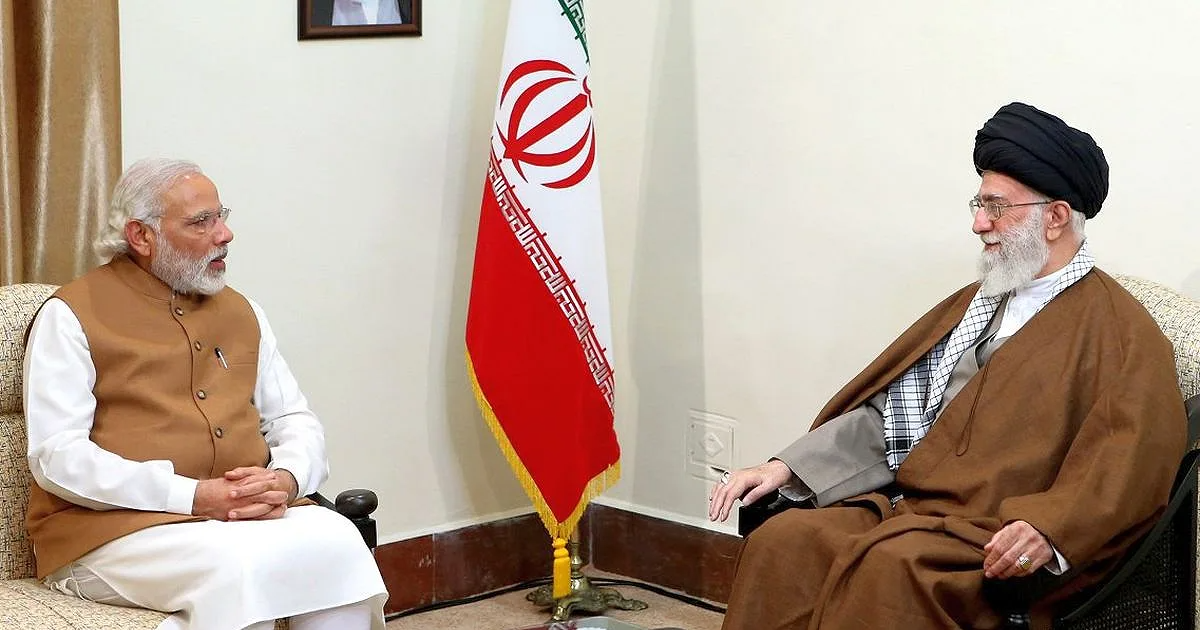
Iranian President Masoud Pezeshkian has formally invited Indian Prime Minister Narendra Modi to attend the upcoming funeral ceremonies of the late Supreme Leader Ayatollah Ali Khamenei. People familiar with the matter confirmed on Wednesday that while the official invitation arrived from Tehran on Tuesday, New Delhi has yet to make a final decision on whether the Prime Minister will accept and travel to the region.
Add businessleague.in as a Preferred Source


The late Supreme Leader, alongside his daughter, son-in-law, and grandchild, was killed during joint military strikes on February 28. While Islamic tradition generally dictates that a burial take place within 24 hours of passing, the volatile security environment and active conflicts across West Asia forced Iranian authorities to postpone the state funeral multiple times over the last few months.
                         [Ayatollah Khamenei State Funeral Timeline]
                                             │
         ┌───────────────────────────────────┼───────────────────────────────────┐
         ▼                                   ▼                                   ▼
 [July 4: Opening Rites]             [July 7: Qom Ceremonies]            [July 9: Final Burial]
 • Rites officially commence in      • Public processions and state      • Final interment scheduled in
   Tehran; massive crowds expected.    mourning move to the holy city.     Mashhad, Khamenei's hometown.
Unprecedented Turnout Expected Amid Easing Regional Tensions
Iranian state media reports indicate that the state funeral rites will officially begin on July 4 and culminate with Khamenei’s burial in his northeastern hometown, the holy city of Mashhad, on July 9. A central public ceremony is also scheduled in the holy city of Qom on July 7. Due to the deep historical significance of his 36-year rule, authorities are bracing for massive crowds across all three hubs.
[Evolving Security Landscape] ──► US-Iran Digital Peace Memorandums Signed in Switzerland
                                                │
                                                ▼
[Massive State Logistics]     ──► Iran Prepares Multi-City July Rites for 20 Million Mourners
Estimates suggest total attendance could reach nearly 20 million people, a figure that would surpass the record-breaking turnout seen during the 1989 funeral of the Islamic Republic’s founder, Ayatollah Ruhollah Khomeini. Regional leaders, including Pakistani Prime Minister Shehbaz Sharif, have already signaled their intent to attend.
The massive gathering comes at a unique geopolitical moment. Tensions in West Asia have eased significantly following a landmark peace agreement between Iran and the United States, which successfully ended months of conflict that disrupted global energy infrastructure. President Pezeshkian and US President Donald Trump have signed separate digital memorandums of understanding, while broader peace negotiations continue in Switzerland.
New Delhi’s Diplomatic Responses and Post-Succession Realities
India has maintained a measured and respectful diplomatic stance since the escalation in late February. Immediately following the news of the Supreme Leader’s death, Foreign Secretary Vikram Misri visited the Iranian Embassy in New Delhi to sign the official condolence book on behalf of the Indian government. External Affairs Minister S. Jaishankar also held direct phone lines with his Iranian counterpart, Seyed Abbas Araghchi, to convey India’s formal sympathies.
| Key Leaders & Officials Involved | Current Institutional Roles | Strategic Stance / Reported Status |
| Narendra Modi | Prime Minister of India | Reviewing the invitation; official travel decision pending. |
| Masoud Pezeshkian | President of Iran | Actively extending global invitations to showcase diplomatic stability. |
| Mojtaba Hosseini Khamenei | Current Supreme Leader of Iran | Serving as Supreme Leader (56); target of unverified health rumors. |
| S. Jaishankar | External Affairs Minister, India | Leading communication channels with Iranian diplomatic counterparts. |
| Donald Trump | President of the United States | Signed a digital memorandum of understanding easing regional tension. |
Domestically, Iran is navigating its own political transition. Since the February strikes, the late leader’s 56-year-old son, Mojtaba Hosseini Khamenei, has assumed the mantle of Supreme Leader. However, his transition has faced a wave of international scrutiny and unverified claims. Several senior US officials, including Marco Rubio and Pete Hegseth, have publicly claimed that the new leader is currently in a coma—rumors that Iranian state media has consistently pushed back against as public funeral preparations move ahead.
FAQ
Q1: Why was Ayatollah Khamenei’s funeral delayed for several months after his passing in February?
Although Islamic law generally requires a quick burial, the funeral was repeatedly postponed due to intense military conflicts in West Asia. The ceremonies were delayed until regional stability was restored through recent diplomatic negotiations and peace memorandums.
Q2: Has India officially accepted the invitation to send Prime Minister Modi to the funeral?
As of June 24, 2026, the Indian government has not taken a final call. While India has formally expressed its condolences through Foreign Secretary Vikram Misri and External Affairs Minister S. Jaishankar, New Delhi is still evaluating the security and diplomatic implications of a prime-ministerial visit.
Q3: Who is currently leading Iran following the death of the long-time Supreme Leader?
Ayatollah Khamenei’s 56-year-old son, Mojtaba Hosseini Khamenei, has been serving as the Supreme Leader since his father’s death. Despite persistent rumors from some US officials claiming he is incapacitated, he remains the institutional head as the country prepares for the state funeral.
Add businessleague.in as a Preferred Source

