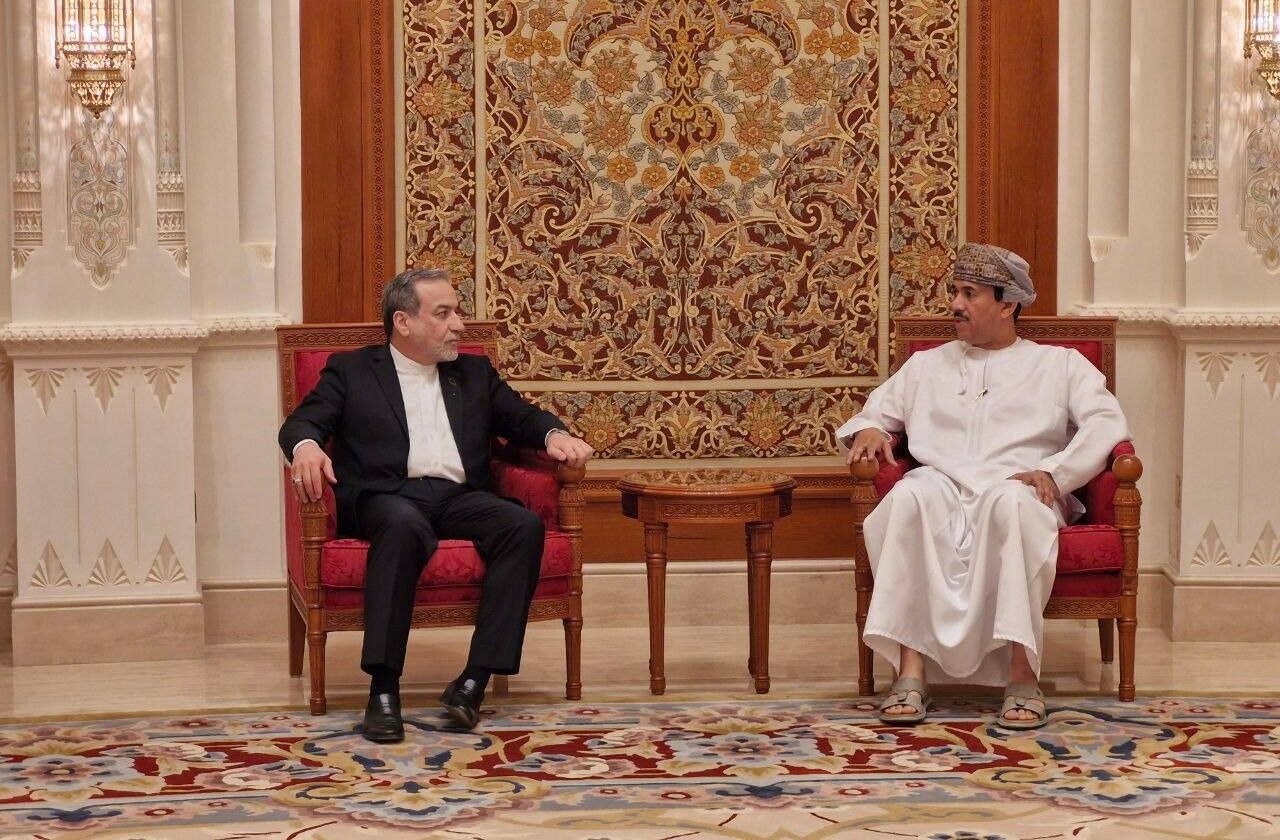
The diplomatic world is focused on Muscat today as Iranian Foreign Minister Abbas Araghchi and U.S. Middle East Envoy Steve Witkoff prepare for high-stakes negotiations on February 6, 2026. This meeting marks the first formal attempt at a diplomatic breakthrough since the devastating “12-Day War” in June 2025, during which U.S. and Israeli forces targeted Iranian nuclear infrastructure. The stakes could not be higher, with President Donald Trump warning that “military action” remains a very real backup to failed diplomacy.
Add businessleague.in as a Preferred Source


Also Read |Tamil Nadu Voter List Purge: 97 Lakh Names Deleted in SIR Phase 1
The Muscat Summit: Diplomacy on a Knife-Edge
Araghchi’s arrival in the Omani capital follows a chaotic week of shifting venues. Originally slated for Istanbul, the talks were relocated to Muscat—a traditional “quiet bridge” between Tehran and Washington—at Iran’s insistence. Consequently, the atmosphere is thick with tension. The U.S. delegation reportedly includes Jared Kushner, signaling that the White House views this not just as a technical nuclear discussion, but as a broader regional restructuring.
Conflicting Agendas: Nuclear vs. Regional Stability
The primary hurdle remains the scope of the negotiations:
-
Iran’s Stance: Tehran insists the talks focus exclusively on the lifting of sanctions and returning to nuclear compliance. Araghchi has publicly stated that Iran’s ballistic missile program—decimated but still operational after 2025 strikes—is “non-negotiable.”
-
The U.S. Stance: Secretary of State Marco Rubio has been firm: any deal must be “comprehensive.” This includes a permanent end to uranium enrichment, a halt to ballistic missile development, and an end to support for the “Axis of Resistance” proxies.
Also Read |Tamil Nadu Voter List Purge: 97 Lakh Names Deleted in SIR Phase 1
Trump’s “Zero Capability” Strategy
President Trump’s administration has shifted the goalposts from “containment” to “Zero Nuclear Capability.” Press Secretary Karoline Leavitt confirmed that Washington is testing whether a deal is still possible before moving to more “aggressive options.” Trump himself has been vocal on X, stating that the Supreme Leader “should be very worried” if these talks fail. This “Maximum Pressure 2.0” strategy is designed to capitalize on Iran’s current internal fragility following the massive nationwide protests of January 2026.
The Oman Factor: Why Muscat is the Last Bridge
Oman has historically played the role of the “neutral facilitator.” In 2026, its role is even more critical. Arab leaders from nine regional countries reportedly lobbied the White House not to cancel these talks, fearing that a total diplomatic collapse would trigger a “regional war” involving U.S. bases in Qatar and the UAE. Therefore, Oman is not just hosting a meeting; it is attempting to prevent a full-scale military conflagration.
Reality Check: A Weakened Iran at the Table?
While Araghchi speaks of “safeguarding peace,” industry analysts suggest Iran is negotiating from its weakest position since 1979. The 2025 strikes reportedly destroyed many of the centrifuges at Fordow and Natanz. In fact, some reports suggest much of Iran’s highly enriched uranium is currently “buried under rubble” and inaccessible. This physical loss of leverage, combined with an economy shattered by sanctions and civil unrest, may force Tehran to accept terms it previously called “impossible.”
Also Read |Tamil Nadu Voter List Purge: 97 Lakh Names Deleted in SIR Phase 1
The Loopholes: Can a “Limited Deal” Prevent War?
There are growing whispers of a “Freeze-for-Freeze” loophole:
-
The Proposal: Iran commits to zero enrichment for three years and transfers its existing stockpiles to a third country (likely Russia).
-
The Catch: In exchange, the U.S. would offer “temporary waivers” rather than permanent sanctions relief. Still, the Trump administration remains skeptical. The “loophole” here is whether a limited nuclear deal is enough to stop the U.S. from targeting Iran’s missile factories, which Washington now views as the primary threat to regional stability.
What This Means for You
For the global community, the outcome of the Muscat talks will directly impact oil prices and maritime security in the Strait of Hormuz. A breakthrough could see a sudden “peace dividend” in the markets. However, if the talks collapse by Saturday, expect a rapid escalation in military readiness across the Persian Gulf, potentially leading to higher energy costs and localized travel restrictions in the Middle East.
Next Steps
Watch for a joint or separate press statement from the Omani Foreign Ministry by late Saturday, February 7. You should monitor the U.S. Treasury’s sanctions list; any pause in new designations would be a clear sign that the talks are progressing. Finally, keep an eye on the International Atomic Energy Agency (IAEA) for reports on whether inspectors are being granted access to the “new sites” Trump recently mentioned.
Also Read |Tamil Nadu Voter List Purge: 97 Lakh Names Deleted in SIR Phase 1
End…
Add businessleague.in as a Preferred Source
🙏 Support Independent Journalism
We keep news free for you.
Most readers support with ₹500 ❤️
or scan QR below

Voluntary contribution. No tax benefits.
DISCLAIMER
We have taken all measures to ensure that the information provided in this article and on our social media platform is credible, verified and sourced from other Big media Houses. For any feedback or complaint, reach out to us at businessleaguein@gmail.com