
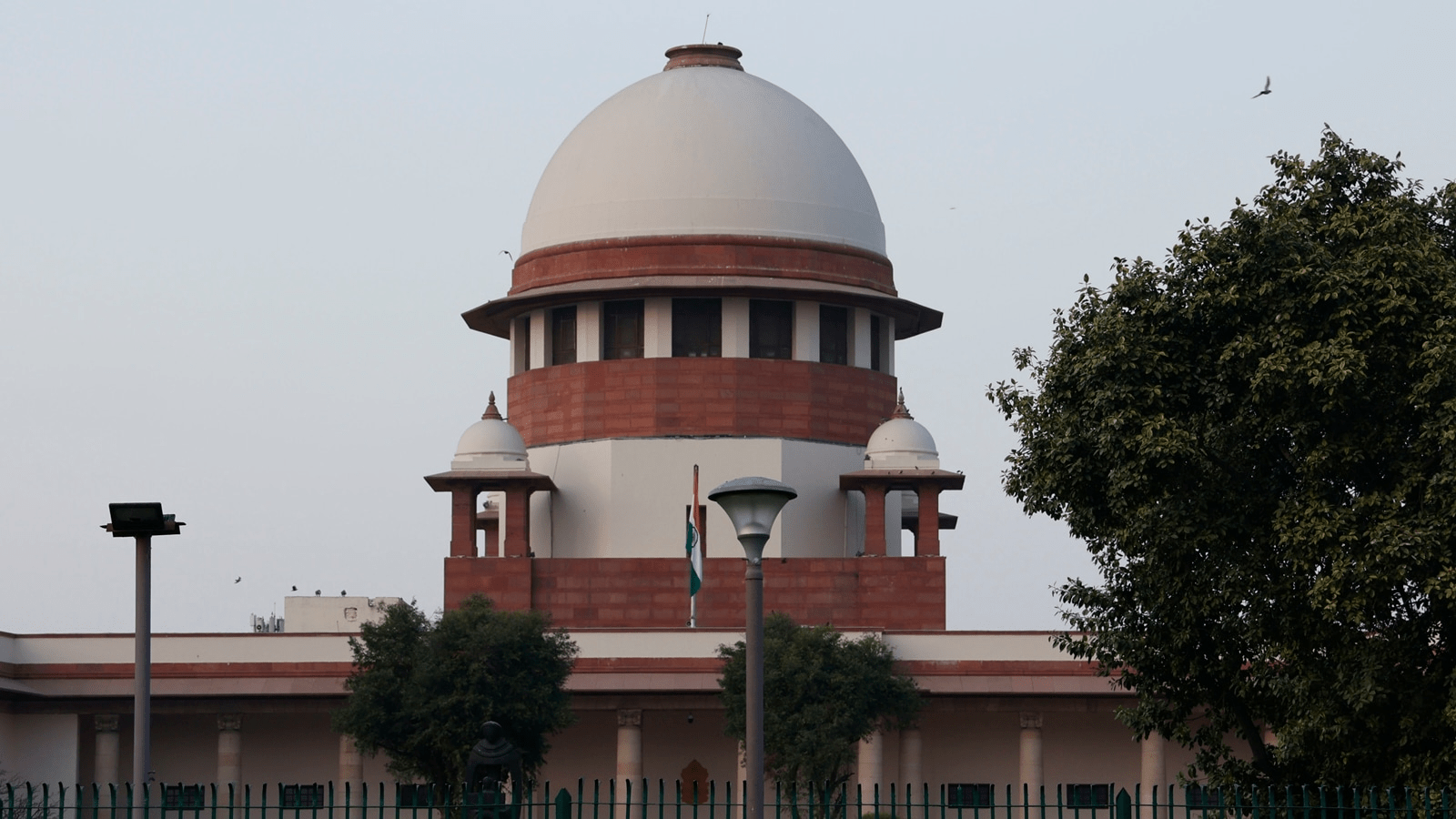
Now the highest court in the land has issued a blistering defense of reproductive autonomy and the dignity of survivors. On Thursday, April 30, 2026, the Supreme Court delivered a sharp rebuke to the central government for filing a curative plea against a 15-year-old rape survivor’s right to terminate her pregnancy. Therefore, the Supreme Court rape survivor abortion order proceedings have become a watershed moment for individual rights in India. Specifically, the bench, led by Chief Justice Surya Kant, made it clear that the state has no “locus standi” to interfere in the deeply personal and traumatic choices of a minor who has already endured sexual assault. The court’s frustration was palpable as it dismissed the government’s attempt to force the child to carry a 31-week pregnancy to term.
Add businessleague.in as a Preferred Source


Meanwhile, while the government argued that termination was no longer “medically possible,” the bench rejected this framing as an inappropriate intervention.
But for the 15-year-old girl and her family, the court’s firm stance offers a rare moment of judicial protection against what the judges described as the state’s overreach.
Also Read |Tamil Nadu Voter List Purge: 97 Lakh Names Deleted in SIR Phase 1
The Curative Plea: Why the Supreme Court Expressed Displeasure
Now we must analyze the legal mechanism that triggered this judicial fury. The central government filed what is known as a “curative plea”—the final legal resort after a review petition is dismissed. Therefore, the Supreme Court rape survivor abortion order became the center of a procedural clash.
Challenging the Final Word
First, the court had already granted the minor permission to undergo the procedure. Then, the government attempted to use this rare legal tool to reverse the decision. Thus, the judges viewed the move as an attempt to bypass the child’s established rights. Next, the bench described the government’s intervention as “wholly inappropriate” given the sensitive nature of the case. Therefore, the curative plea was not just legally questionable in the eyes of the court, but morally insensitive to the survivor’s plight.
“No Locus Standi”: CJI Surya Kant’s Pointed Remarks
Now, the Chief Justice’s address to Additional Solicitor General Aishwarya Bhati was exceptionally direct. He questioned the very right of the government to be a party in this specific dispute.
Respecting the Victim
First, CJI Surya Kant noted that no amount of compensation could alleviate the agony the girl suffered. Then, he pointed out that the government has “no locus” to challenge a termination order. Thus, the legal standing belongs solely to the victim or her immediate family. Next, he urged the government’s counsel to “give respect to citizens.” Therefore, the court established that in matters of bodily autonomy, the state is an outsider unless it is acting to facilitate the individual’s expressed will.
Individual Choice: Justice Joymalya Bagchi’s Direct Message
Now, Justice Joymalya Bagchi echoed the Chief Justice’s sentiments, emphasizing that the judiciary operates on the principle of respecting individual choices.
State vs. Individual
First, the Justice told the government’s counsel, “We respect individual choices and so should you.” Then, he signaled that the government’s role is to uphold the law, not to dictate reproductive outcomes for minors. Thus, the bench positioned the government’s move as an overreach into the private lives of its citizens. Next, this remark highlighted a growing tension between the state’s administrative goals and the personal freedoms guaranteed by the Constitution. Therefore, the Supreme Court rape survivor abortion order serves as a guardrail against state-mandated pregnancy.
Also Read |Tamil Nadu Voter List Purge: 97 Lakh Names Deleted in SIR Phase 1
The Government’s Defense: Medical Impossibility vs. Agony
Now we must look at the argument presented by the government. ASG Aishwarya Bhati suggested that the advanced stage of the pregnancy (31 weeks) presented a unique dilemma.
The Adoption Suggestion
First, the government submitted that terminating the pregnancy was “no longer medically possible” at this stage. Then, they proposed that the girl’s only remaining option was to carry the child to term and give it up for adoption. Thus, the government sought to frame the issue as a matter of medical safety and child welfare. Next, the bench rejected this framing entirely, viewing it as a dismissal of the minor’s current mental and physical trauma. Therefore, the court prioritized the “agony” of the survivor over the government’s projected medical concerns.
Reproductive Autonomy: A Firm Assertion of Rights
Now, this case is being viewed as a landmark for reproductive rights in India. It reinforces the idea that a survivor’s body is not a site for state policy.
The Child’s Body, The Child’s Decision
First, the court made it clear that the trauma of sexual assault does not end with the act itself. Then, forcing a child to carry a constant reminder of that trauma was deemed unacceptable by the bench. Thus, the state cannot override the rights of a child when it comes to decisions about her own body. Next, the court’s intervention is seen as a protective shield for vulnerable citizens against institutional pressure. Therefore, the Supreme Court rape survivor abortion order will likely be cited in every future case involving late-term abortions for survivors.
The Agony of the Survivor: Addressing Post-Rape Trauma
Now, the CJI’s focus on “agony” highlights a shift toward a more empathetic jurisprudence. The court recognized that the legal battle itself was adding to the victim’s suffering.
Compensating for the Incompensable
First, the bench acknowledged that no financial or legal remedy can truly fix what the girl has lost. Then, by challenging the abortion, the government was essentially prolonging her period of distress. Thus, the “curative plea” was viewed as an act that ignored the human cost of the delay. Next, the judges emphasized that the victim’s family had already made their choice, and that choice deserved the highest level of legal protection. Therefore, the court’s anger was a direct response to the government’s perceived lack of empathy.
Also Read |Tamil Nadu Voter List Purge: 97 Lakh Names Deleted in SIR Phase 1
Public Reaction: Why This Case is Drawing Global Attention
Now, the sharp rebuke from the CJI has resonated far beyond the courtroom. Advocacy groups and citizens are hailing the decision as a win for “citizens’ choice.”
Global Human Rights Standards
First, international human rights observers are noting India’s firm stance on reproductive autonomy. Then, the case highlights the ongoing debate regarding late-term abortions in the context of sexual violence. Thus, the Supreme Court has set a high standard for how the state should interact with minors in distress. Next, social media has been flooded with support for the CJI’s “Respect the citizen” quote. Therefore, the government’s curative plea has inadvertently created a national platform for the discussion of survivors’ rights.
Legal Implications: What This Means for Future Abortion Cases
Now, finally, we must consider the long-term impact on Indian law. This ruling effectively narrows the window for government interference in abortion cases.
Key Legal Takeaways:
-
Locus Standi: The government cannot challenge a survivor’s abortion order unless they are directly aggrieved.
-
Prioritizing Choice: Individual reproductive choice outweighs state suggestions of adoption.
-
Trauma-Informed Justice: The court will weigh the mental agony of the survivor heavily in late-term requests.
-
Curative Limitations: This rare legal tool should not be used to undermine basic personal rights.
First, this decision will make it much harder for the state to block similar requests in the future. Then, it empowers medical boards and lower courts to prioritize the survivor’s wishes. Thus, the legal landscape for 2026 is moving toward a more survivor-centric model. Next, it serves as a warning to government counsel to be more mindful of the “citizen’s choice.” Therefore, the Supreme Court rape survivor abortion order is a definitive win for bodily sovereignty.
Common Questions Answered
What did the Supreme Court say to the government? Now the CJI told the government to “give respect to citizens’ choice” and stated they had no “locus” to challenge the abortion order of a rape survivor. Therefore, the state cannot intervene in this personal matter.
Why was the government trying to block the abortion? First, they argued that at 31 weeks, it was no longer “medically possible” and that the child should be born and given up for adoption. Thus, the government prioritized the birth over the minor’s choice.
Who has the legal right to challenge an abortion order? Next, according to the CJI, only the victim or her family can challenge the termination order. So, the government has no standing to file a curative plea in this case.
What is a curative plea? So, it is the last legal resort available to a litigant after a review petition is dismissed. Thus, the court found it “wholly inappropriate” for the government to use it in this context.
How old is the survivor in this case? Finally, she is a 15-year-old girl who was pregnant as a result of a rape. Therefore, the court emphasized her minor status and the trauma she had already suffered.
Also Read |Tamil Nadu Voter List Purge: 97 Lakh Names Deleted in SIR Phase 1
End…
Add businessleague.in as a Preferred Source
🙏 Support Independent Journalism
We keep news free for you.
Most readers support with ₹500 ❤️
or scan QR below

Voluntary contribution. No tax benefits.
DISCLAIMER
We have taken all measures to ensure that the information provided in this article and on our social media platform is credible, verified and sourced from other Big media Houses. For any feedback or complaint, reach out to us at businessleaguein@gmail.com