
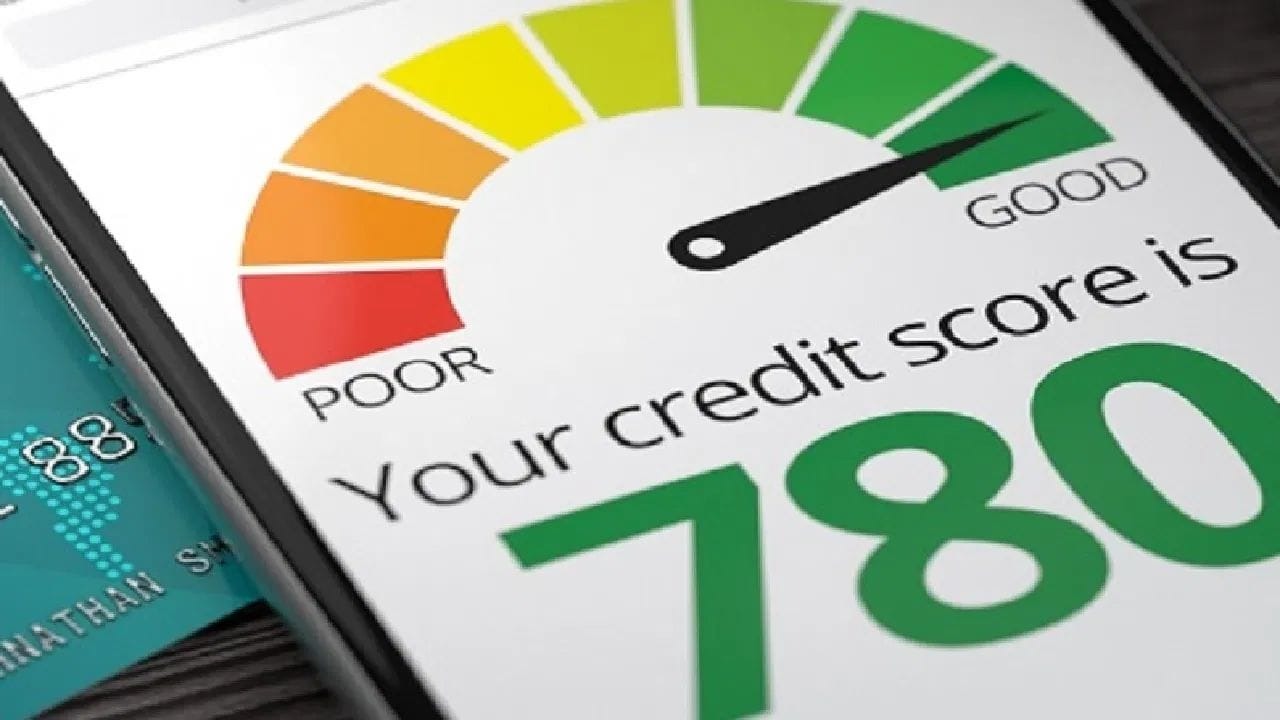
Despite the same income and loan amount, a weak credit score can result in a higher loan price. Banks now consider payment history and financial behavior more than salary. A good credit profile can lead to lower interest rates, faster approval, and better terms.
Add businessleague.in as a Preferred Source


Despite having the same income and loan amount, if the credit profile is weak, one may have to pay lakhs of rupees more in interest. The new trend shows that banks are now giving more importance to behavior than income. Even today, most people believe that if the salary is good, then the loan will be available easily and at a cheaper rate. But the reality is different. In a recent example, despite the age, salary and loan amount of two people being the same, the bank offered them loans at different interest rates. The reason was only one – credit score and financial behavior.
Same salary, yet one paid more interest
Rohit and Kuldeep had similar profiles. Both were 35 years old, earning ₹16 lakh annually, and both applied for a home loan of ₹50 lakh from the same bank in the same month. However, Rohit received an interest rate of 8.5% for a 25-year term, while Kuldeep was offered a 9.8% interest rate for a 24-year term by the same bank. This meant Kuldeep had to pay more.
Rohit and Kuldeep, both 35 years old, earning ₹16 lakh annually, applied for a home loan of ₹50 lakh. Rohit received a 25-year loan at an interest rate of 8.5%, while Kuldeep received a 24-year term at 9.8%. As a result, Rohit’s EMI was ₹40,000, while Kuldeep’s was ₹45,000. Over the entire loan term, Kuldeep would pay approximately ₹10 lakh more in interest.
Why did you have to pay more interest?
The biggest reason for this difference was their credit behavior. Rohit never missed an EMI, his old car loan was repaid on time, and he uses his credit card sparingly and judiciously. Meanwhile, Kuldeep had a record of some late payments and a high credit card balance. These small things can make a big difference in the bank’s eyes.
Adhil Shetty, CEO of BankBazaar.com, explained the reason. He said that RBI data shows that retail credit has grown at a rate of more than 15% in recent years. Banks now use algorithms to approve loans, where repayment history, credit card usage, and account age (credit history) are given more importance than your salary. Therefore, even people with similar salaries may receive different loan terms.
Rohit had a good credit score. He never missed an EMI, repaid his previous car loan on time, and used his credit card wisely. Kuldeep, on the other hand, had two late payments three years ago and a high credit card balance, which he didn’t pay on time.
It is also not good to change jobs frequently.
Their jobs also make a difference. Rohit has been working in the same IT company for the last 9 years, while journalist Kuldeep has changed jobs 4 times in 10 years. Essentially, your salary indicates your earning capacity, but your credit score reflects how responsibly you manage your money. According to Vinay Singh, CPO of loan company Olyv, people with a good credit score get lower interest rates, higher loan limits, faster approvals, and better financial products. Meanwhile, those with a poor credit score have to pay higher interest rates or sometimes even face loan rejections, even if their income is stable.
Today, banks and finance companies offer loans based on data. They also look at how you repay your loans, how you use your credit, and how well you maintain your accounts. Therefore, credit should be viewed not just as a convenience but as a long-term financial asset. Paying EMIs on time, avoiding excessive debt, and using your credit limit judiciously can help you secure a better loan deal.
Read More: Rupee Recovers to 91.41 vs Dollar as Trump Eases Tariff Threats; RBI Defends 92.00 Level
Add businessleague.in as a Preferred Source
🙏 Support Independent Journalism
We keep news free for you.
Most readers support with ₹500 ❤️
or scan QR below

Voluntary contribution. No tax benefits.
DISCLAIMER
We have taken all measures to ensure that the information provided in this article and on our social media platform is credible, verified and sourced from other Big media Houses. For any feedback or complaint, reach out to us at businessleaguein@gmail.com