
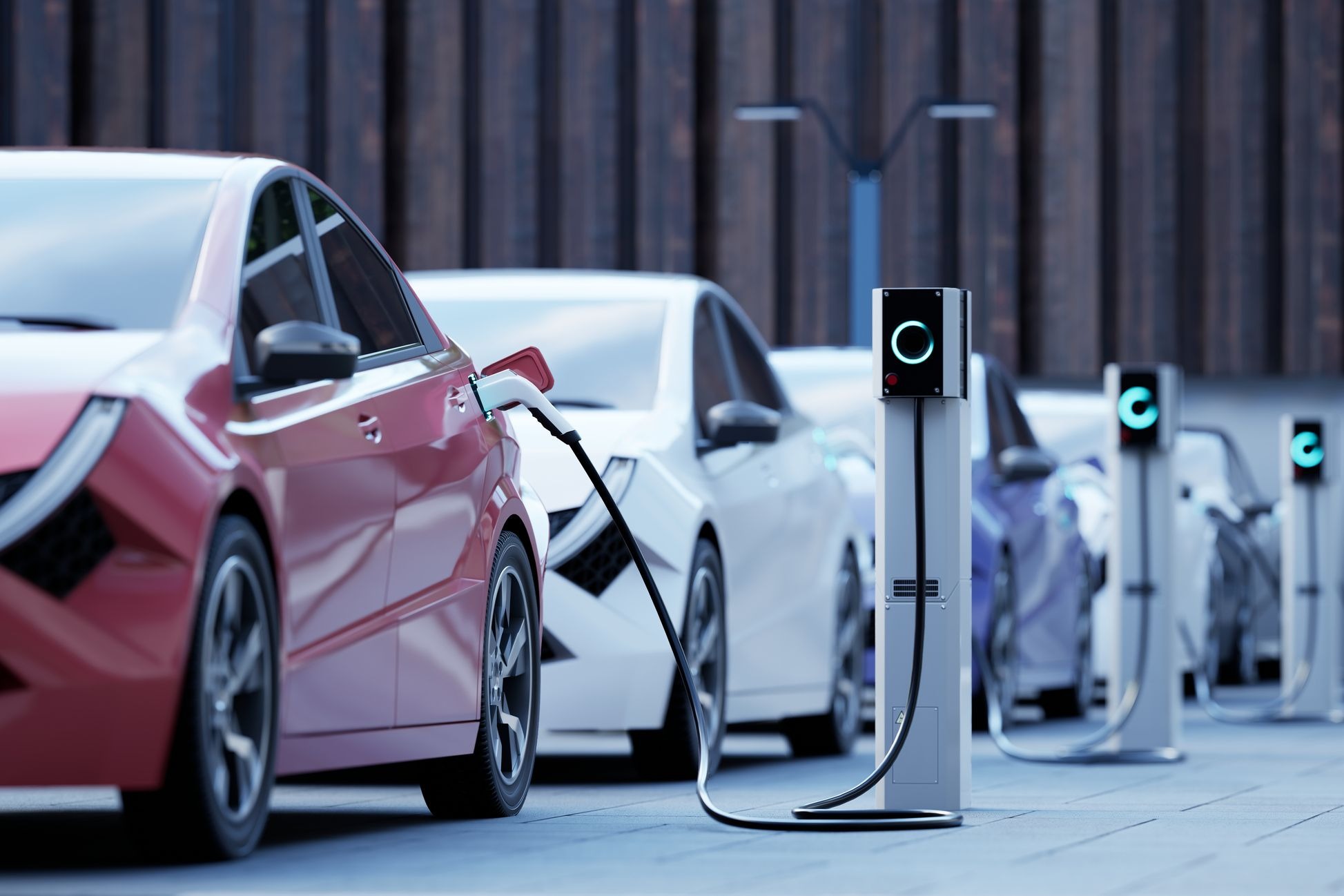
EV battery Aadhaar number: The Ministry of Transport has proposed making the 21-digit BPAN number mandatory for tracking and recycling EV batteries. This will provide complete information from the battery’s manufacture to its end.
Add businessleague.in as a Preferred Source


EV battery BPAN: The craze for electric vehicles (EVs) is rapidly increasing in the country. In response, the central government is taking a major step to ensure battery safety and transparency. The Ministry of Transport has proposed a unique identification number (ID) for batteries, similar to an Aadhaar card. The aim of this new system is to monitor every activity of the battery and ensure its recycling without harming the environment.
Each battery will have its own 21-digit Aadhaar number.
According to the government’s new guidelines, battery manufacturers or importers will now be required to issue a unique number for each battery pack. This will be called the “Battery Pack Aadhaar Number” (BPAN). This 21-character number will uniquely identify each battery. Companies will be required to upload all dynamic battery data to the government’s official portal.
The number will be placed in a place where it cannot be erased.
This BPAN number will be placed on the battery in a visible location. According to the regulations, it must be stored in a condition where it cannot be damaged or erased. This number will retain all information regarding the battery’s raw materials, manufacturing process, use, and final disposal.
The number will change at the time of recycling.
If a battery’s properties change during reuse or recycling, it will be assigned a new number. This new BPAN will be issued by the same company or a new manufacturer. This will ensure transparency and accountability between old and new battery data.
Rules will also apply to large industrial batteries
These regulations primarily apply to electric vehicle batteries. However, industrial batteries with a capacity of more than 2 kilowatts may also be included. It’s important to note that small vehicle starter batteries (SLI) and portable batteries are currently excluded from this regulation.
Tightening the screws on fake battery game
This initiative will curb counterfeit products from being sold in the market. Customers will gain confidence when they know the battery’s complete history. This mechanism will work in conjunction with advanced technologies such as battery management systems (BMS) and AI, creating India’s own “Battery Intelligence Network.”
Indigenous production will get a huge boost
This identification number will be useful under the government’s PLI scheme. Officials will be able to easily verify whether the cells used in the battery are made in India. QR codes and alpha-numeric codes will be used to access the data. However, sensitive information will be restricted to authorized manufacturers and recyclers to maintain security.
Add businessleague.in as a Preferred Source
🙏 Support Independent Journalism
We keep news free for you.
Most readers support with ₹500 ❤️
or scan QR below

Voluntary contribution. No tax benefits.
DISCLAIMER
We have taken all measures to ensure that the information provided in this article and on our social media platform is credible, verified and sourced from other Big media Houses. For any feedback or complaint, reach out to us at businessleaguein@gmail.com