Shaking the foundations of a key security partnership just days before a major diplomatic summit, American naval blockades have resulted in the deaths of Indian crew members.
The Ministry of External Affairs summons a top American diplomat to lodge a fierce protest, while a dramatic helicopter rescue saves 20 Indian sailors from the burning hull of the MT Jalveer.
Add businessleague.in as a Preferred Source


The geopolitical crosswinds fracturing West Asia have triggered a severe diplomatic and humanitarian crisis for India’s maritime sector. Following a series of aggressive naval actions, international US maritime strikes Gulf of Oman blockades have resulted in the confirmed deaths of three Indian sailors. A separate overnight missile strike has disabled a third commercial oil tanker manned entirely by Indian seafarers.
Also Read | Viral Trump Lookalike Buffalo Rescue: Saved From Eid Sacrifice
The sudden escalation has forced an immediate, sharp response from New Delhi. The Ministry of External Affairs (MEA) officially summoned a top American diplomat to South Block to lodge a strong protest against the use of lethal kinetic force along international shipping lanes.
The crisis unfolds at a sensitive moment, just days before Prime Minister Narendra Modi is scheduled to travel to Europe for the Group of Seven (G7) summit, where he is expected to hold critical bilateral talks with President Donald Trump.
The Fatal Interception: Tragedies Aboard the MT Settebello
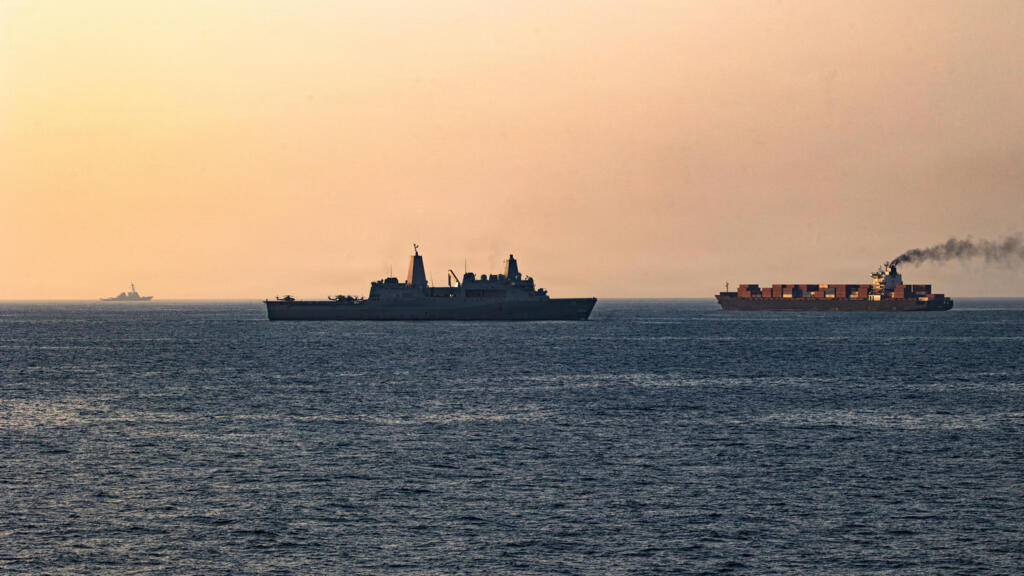
The most severe blow to India’s seafaring community came with the formal tracking of casualties aboard the Palau-flagged tanker MT Settebello. The vessel was operating off the coast of Oman when it was fired upon by U.S. forces enforcing a strict blockade against Iranian energy exports.
The High-Seas Blockade Interdiction Timeline
  [June 8: The Marivex Opening Strike] ──► US disables tanker; Omani forces airlift 24 Indian crew
                 │
                 ├──► June 10: MT Settebello Hit (3 Indian seafarers reported missing)
                 │
                 └──► June 11: The MT Jalveer Hellfire Intercept
                           ├──► Two Hellfire missiles destroy engine room off Shinas Port
                           └──► Bodies of 3 Settebello crew found; 20 Jalveer sailors rescued from fire
While 21 crew members were initially rescued from the damaged vessel, three Indian nationals were reported missing. In an official state brief released on Thursday, Shipping Minister Sarbananda Sonowal confirmed that search and rescue teams had located and identified the mortal remains of the deceased crew members.
Also Read | Viral Trump Lookalike Buffalo Rescue: Saved From Eid Sacrifice
The forward Seamen’s Union of India (FSUI) identified the fallen mariners as Deck Cadet Aditya Sharma, Engine Fitter Shivanand Chaurasiya, and Chief Engineer Patnala Suresh. The shipping ministry has ordered immediate coordination to repatriate the rescued survivors and return the remains of the deceased to their families for final rites.
The Overnight Strike: Hellfires Hit the MT Jalveer
Hours after the Settebello tragedy was confirmed, U.S. Central Command (CENTCOM) launched another kinetic strike in the Gulf of Oman, targeting the Guinea-Bissau-flagged tanker MT Jalveer as it traveled through the port of Shinas.
| Targeted Commercial Vessel | Registered Flag State | Native Crew Complement | Primary CENTCOM Tactical Justification | Current Operational Status |
| MT Marivex | Republic of Palau | 24 Indian Seafarers | Violating the blockade by attempting to dock at an active Iranian port. | Disabled on June 8; full crew safely evacuated by Omani airlifts. |
| MT Settebello | Republic of Palau | 24 Indian Seafarers | Intercepted while transporting un-certified crude oil out of Iran. | Severely Damaged; 3 Indian crew members confirmed killed. |
| MT Jalveer | Guinea-Bissau | 20 Indian Seafarers | Repeated failure to comply with maritime directions from U.S. naval assets. | Disabled by missiles; hull on fire; all crew members safe. |
According to an official statement issued by CENTCOM, the vessel repeatedly ignored direct orders from U.S. naval vessels to alter its course. Consequently, an American military aircraft fired two Hellfire precision missiles directly into the ship’s engine room and funnel area, starting an immediate fire that disabled the vessel’s propulsion systems.
Images shared on social media by maritime unions showed a dramatic rescue operation, with helicopters winching the 20 Indian sailors off the smoke-choked bridge. Financial advisors from the shipping ministry confirmed that all 20 Indian crew members were successfully evacuated without sustaining injuries.
Also Read | Viral Trump Lookalike Buffalo Rescue: Saved From Eid Sacrifice
The Strategic Tightrope: Negotiating From Positions of Strength
International maritime risk management analysts note that the sudden surge in high-seas attacks shows that the temporary ceasefire between Washington and Tehran is facing severe strain. Both nations appear to be using low-intensity military operations to force better terms in ongoing behind-the-scenes negotiations.
                  [THE INTERLOCKING ECONOMIC BLOCKADE LEVERAGE]
   ┌────────────────────────────────────────┐┌────────────────────────────────────────┐
   │         WASHINGTON PRESSURE LEVER      ││         TEHRAN COUNTER-STRATEGY        │
   │  • Deploys kinetic assets to stop oil.  ││  • Restricts transit via the Strait.   │
   │  • Targets foreign-crewed tankers.     ││  • Increases insurance risk premiums.  │
   │  • Aims to starve Iran of hard cash.   ││  • Squeezes the global energy supply.  │
   └────────────────────────────────────────┘└────────────────────────────────────────┘
While the U.S. military is using its naval dominance to cut off Iran’s access to international energy markets, Tehran is leveraging its proximity to the Strait of Hormuz to disrupt global trade and drive shipping insurance premiums higher.
This high-stakes economic warfare places neutral trading nations like India in a difficult position. Because Indian seafarers make up a large portion of the global merchant marine workforce, they find themselves on the frontlines of a conflict completely outside their control.
With the Indian Embassy in Muscat working alongside Omani port authorities to secure temporary shelter for the displaced crews, the upcoming G7 bilateral meeting will be a critical test of diplomacy. New Delhi will need to work hard to balance its deep strategic ties with Washington while demanding absolute protection for its citizens working aboard international merchant ships.
FAQ Section
What caused the recent US maritime strikes Gulf of Oman operations?
The strikes were executed by U.S. Central Command (CENTCOM) to enforce a strict international maritime blockade against Iranian energy exports. U.S. naval forces are targeting and disabling any commercial oil tankers attempting to transport crude oil from Iran or sail toward Iranian ports.
How many Indian citizens were affected by the recent tanker attacks?
Across three separate interdictions involving the MT Marivex, MT Settebello, and MT Jalveer, nearly 70 Indian seafarers were caught in the crossfire. While the crews of the Marivex and Jalveer were evacuated safely, the attack on the MT Settebello resulted in the tragic deaths of three Indian crew members.
What diplomatic actions has India taken in response to these high-seas deaths?
In response to the casualties on the MT Settebello, India’s Ministry of External Affairs officially summoned a senior U.S. diplomat in New Delhi to lodge a strong formal protest. Shipping Minister Sarbananda Sonowal has also directed emergency teams to fast-track the repatriation of rescued survivors and the remains of the deceased.
Also Read | Viral Trump Lookalike Buffalo Rescue: Saved From Eid Sacrifice
Add businessleague.in as a Preferred Source
🙏 Support Independent Journalism
We keep news free for you.
Most readers support with ₹500 ❤️
or scan QR below

Voluntary contribution. No tax benefits.
DISCLAIMER
We have taken all measures to ensure that the information provided in this article and on our social media platform is credible, verified and sourced from other Big media Houses. For any feedback or complaint, reach out to us at businessleaguein@gmail.com