


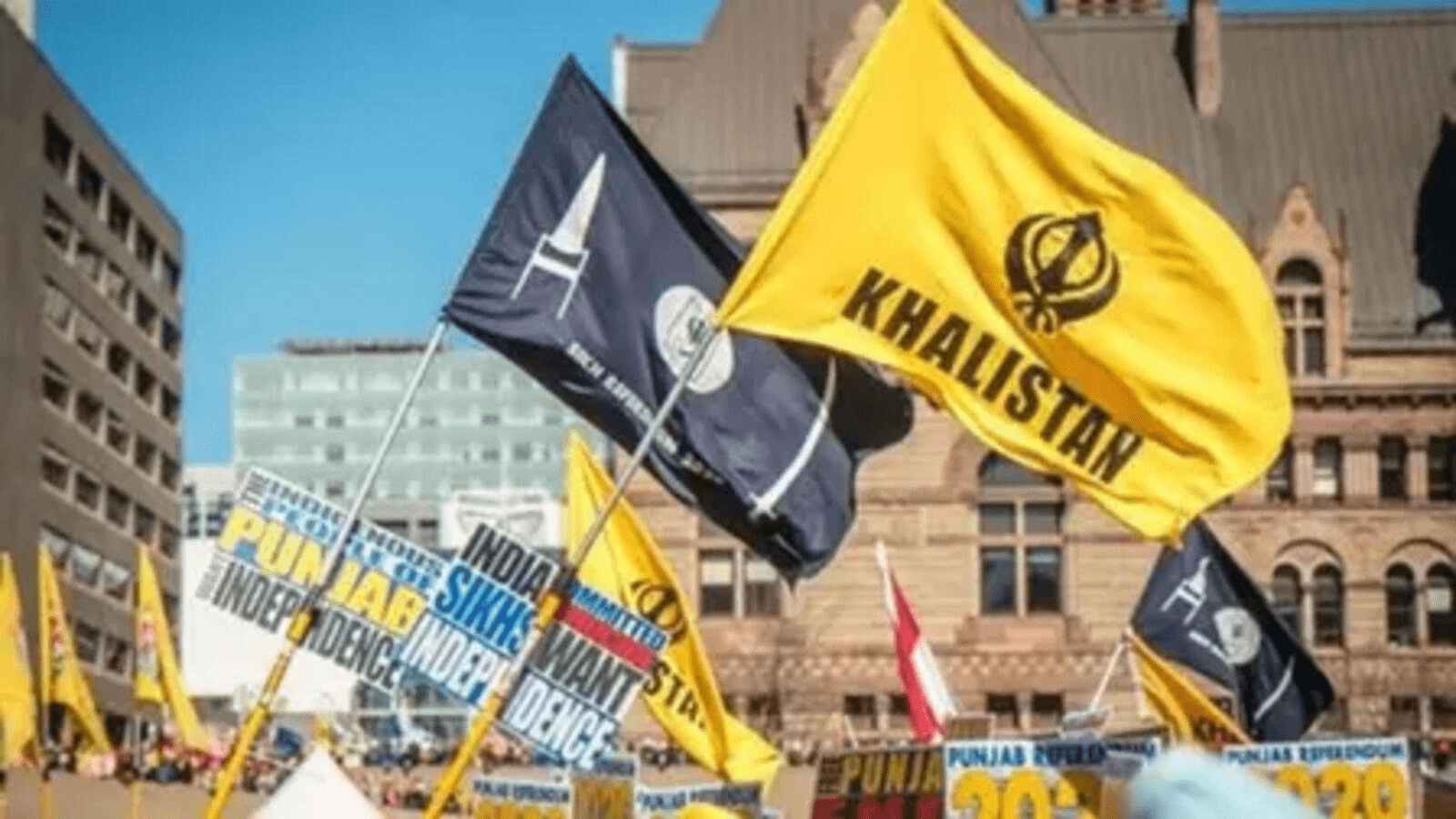
Now the diplomatic rift between New Delhi and Ottawa has widened following a new intelligence report from Canada. India has officially rebuffed spying claims made by the Canadian Security Intelligence Service (CSIS), labeling them as “baseless imputations.” Therefore, the Ministry of External Affairs (MEA) has asserted that India does not interfere in the internal affairs of other nations and respects international sovereignty. Meanwhile, New Delhi has turned the spotlight back on Ottawa, flagging the continued use of Canadian territory as a safe haven for Khalistani extremists who pose a threat to both nations.
Add businessleague.in as a Preferred Source


Also Read |Tamil Nadu Voter List Purge: 97 Lakh Names Deleted in SIR Phase 1
Baseless Imputations: Decoding India’s Firm Response
Now the Ministry of External Affairs has provided a sharp and consistent rebuttal to the latest claims from Canada. Spokesperson Randhir Jaiswal stated during a press conference that India is a democracy that strictly adheres to international norms. Therefore, the idea of India engaging in espionage or interference was dismissed as entirely unfounded.
First, India’s position remains that it respects the sovereignty of every nation it interacts with. Next, the MEA emphasized that it is not India’s policy to meddle in the internal issues of other countries. Thus, the report was characterized as a departure from factual reporting into the realm of political narrative.
So the term “baseless imputations” serves as a definitive rejection of the CSIS assessment. Meanwhile, India’s leadership maintains that its global operations are transparent and centered on cooperation. Therefore, the allegations are seen as a move that undermines efforts to stabilize the bilateral relationship.
The CSIS Report: Canada’s Claims of Foreign Interference
Now the controversy stems from a specific report released by the Canadian Security Intelligence Service (CSIS). The document identified India as one of the main perpetrators of foreign interference and espionage against Canada. Therefore, India was grouped alongside nations like China, Russia, Pakistan, and Iran.
First, the report suggests that these nations are actively working to influence Canadian institutions and democratic processes. Next, CSIS claims that these activities have expanded in scope and complexity over the last year. Thus, the Canadian intelligence community is framing India as a significant threat to its domestic security.
So the timing of the report has disrupted a period of cautious rebuilding in the relationship. Meanwhile, Canadian authorities have defended the assessment as a necessary transparency exercise. Therefore, the report has become the latest flashpoint in a series of intelligence-led disputes.
A Haven for Extremists: The Khalistani Factor in Canada
Now India has countered by highlighting what it perceives as the “real” security threat on Canadian soil. Randhir Jaiswal pointed out that the CSIS report itself acknowledges the presence of Khalistan separatist supporters in Canada. Therefore, New Delhi is questioning why effective action has not been taken against these groups.
First, India has consistently flagged concerns regarding the use of Canadian territory as a haven by separatists. Next, these extremist groups continue to promote violence against India from within Canada’s borders. Thus, the MEA argues that the national security threat is mutual.
So while Canada focuses on espionage, India is focusing on terrorism and secessionism. Meanwhile, the presence of these groups has led to a cycle of diplomatic protests and counter-protests. Therefore, the Khalistani factor remains the central obstacle to a functional partnership.
Also Read |Tamil Nadu Voter List Purge: 97 Lakh Names Deleted in SIR Phase 1
Misuse of Democratic Freedoms: Funding and Radicalization
Now a major part of India’s grievance involves the “misuse” of Canadian institutions. Jaiswal noted that extremist organizations utilize democratic freedoms to promote radical ideologies. Therefore, funds raised in Canada are often diverted toward violent activities and secessionist agendas.
First, these groups often operate under the guise of community organizations or religious centers. Next, the MEA highlighted the “glorification of violence” that occurs during public demonstrations. Thus, the very freedoms Canada seeks to protect are being weaponized against a strategic partner.
So India has repeatedly urged Canadian authorities to conduct thorough financial audits of these groups. Meanwhile, the promotion of so-called “referendums” for a separate state remains a major point of contention. Therefore, India views Canada’s inaction as a tacit endorsement of anti-India elements.
Diplomatic Mechanisms vs. Public Narratives: MEA’s Warning
Now India is advocating for a more professional approach to resolving these disputes. The MEA spokesperson urged Canada to address its concerns through established bilateral mechanisms. Therefore, the preference is for quiet diplomacy over “politicised or public narratives.”
First, India believes that intelligence sharing and joint investigations are the only way to resolve claims of interference. Next, the use of public reports to “name and shame” is viewed as a tactic that fuels domestic political agendas in Canada. Thus, New Delhi is calling for a return to standard diplomatic protocol.
So the shift toward public accusations has made it difficult for both governments to find common ground. Meanwhile, India’s missions in Canada continue to face security challenges due to the heightened rhetoric. Therefore, the MEA’s call for “mechanisms over narratives” is a plea for strategic stability.
The Shadow of 2023: Hardeep Singh Nijjar and Strained Ties
Now it is impossible to view this standoff without the context of the 2023 killing of Hardeep Singh Nijjar. The Canadian government alleged that Indian agents were involved in the assassination of the Khalistan separatist in British Columbia. Therefore, the relationship hit a historic low that led to the expulsion of diplomats on both sides.
First, India has strongly denied any involvement in the Nijjar killing and has asked for actionable evidence. Next, while there have been recent efforts to improve ties, the new CSIS report suggests that the underlying trust has not been restored. Thus, the “Nijjar shadow” continues to loom over every diplomatic exchange in 2026.
So the cycle of allegations and denials has created a “tit-for-tat” dynamic in the intelligence space. Meanwhile, trade and people-to-people ties remain resilient despite the political chill. Therefore, the leadership on both sides is balancing domestic pressure with the need for functional ties.
Also Read |Tamil Nadu Voter List Purge: 97 Lakh Names Deleted in SIR Phase 1
National Security Concerns: Threats to Diplomats and Temples
Now India’s concerns are not just ideological but physical. The MEA highlighted the ongoing threats against Indian diplomats and the vandalism of places of worship in Canada. Therefore, the safety of the Indian diaspora and diplomatic staff has become a major talking point.
First, posters threatening diplomats have appeared in several Canadian cities without significant intervention from local police. Next, the vandalism of temples with anti-India slogans has increased the sense of insecurity among the local community. Thus, New Delhi views these as direct consequences of Canada’s “soft” stance on extremism.
So India is demanding effective legal action against those promoting secessionism and hate. Meanwhile, the Canadian government maintains that it protects the safety of all citizens and diplomats. Therefore, the gap between “protection” and “prevention” remains a major source of friction.
FAQ: The 2026 India-Canada Intelligence Stand-off
1. What did the CSIS report say about India? Now, the Canadian intelligence report named India as a main perpetrator of foreign interference and espionage against Canada.
2. What was India’s official response to the report? First, the MEA labeled the claims as “baseless imputations.” Next, it asserted that India does not interfere in the internal affairs of other countries.
3. What extremist threats did India flag to Canada? So India highlighted the presence of Canada-based Khalistani groups that promote violence and raise funds for anti-India activities.
4. How has India suggested Canada resolve these issues? Next, the MEA urged Canada to use “established mechanisms” like direct diplomatic and intelligence channels instead of public reports.
5. Why are India-Canada relations strained currently? Now, ties have been low since 2023 following the killing of Hardeep Singh Nijjar and subsequent allegations of Indian involvement.
6. What “democratic freedoms” did India say were being misused? Finally, India stated that extremist elements misuse the freedom of expression and assembly in Canada to promote secessionism and threaten diplomats.
Also Read |Tamil Nadu Voter List Purge: 97 Lakh Names Deleted in SIR Phase 1
End….
Add businessleague.in as a Preferred Source

