


Now the highly anticipated US Iran peace deal faces a sudden, dramatic deadlock. White House officials are reportedly blocking crucial clauses of a potential peace agreement. Specifically, Washington refuses to sign off on specific financial terms with Tehran. This friction comes as West Asia remains incredibly tense. Meanwhile, the critical Strait of Hormuz shipping corridor stays heavily choked.
Add businessleague.in as a Preferred Source


Today, international shipping networks are bracing for immediate fallout. The semi-official Tasnim news agency broke the story early Monday morning. They cited high-level sources within ongoing diplomatic backchannels.
The initial April ceasefire is rapidly fracturing.
Also Read |Tamil Nadu Voter List Purge: 97 Lakh Names Deleted in SIR Phase 1
The Sunday Standoff: What Blocked the Deal
Now secret bilateral talks took place behind closed doors Sunday. Negotiators expected to finalize a framework for a lasting US Iran peace deal. Therefore, the sudden American pushback shocked global oil markets.
Officials say Washington is deliberately obstructing the legal paperwork. They are raising unexpected concerns over maritime verification protocols. Thus, the entire Memorandum of Understanding faces total cancellation.
“We will not compromise on our core positions,” an Iranian diplomat told state television. Still, the sudden delay leaves merchants panicked.
The Threat of Escalation
First, consider what happens if negotiations fail completely. Tehran has clarified that it will not back down from its defined red lines. Next, remember that both sides are maintaining heavy naval assets in the Gulf. Therefore, a single miscalculation could restart open hostilities instantly.
So who holds the keys to breaking this deadlock?
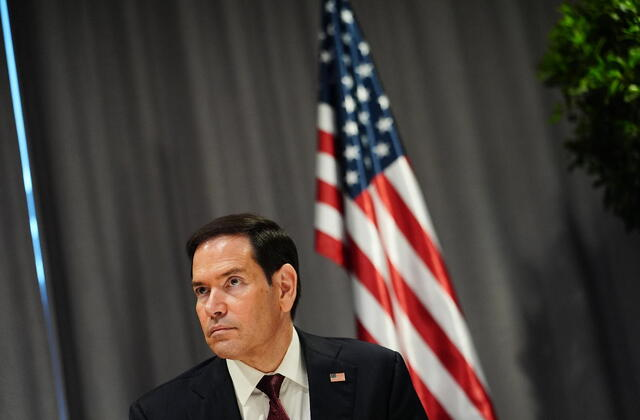
Notably, US Secretary of State Marco Rubio is facing intense pressure from Western allies. European nations demand an immediate end to the naval blockade. As a result, Washington must balance domestic political theater with global trade security.
The Blockade Realities
Meanwhile, shipping insurance premiums are reaching impossible heights. Commercial fleets are taking longer, expensive routes around Africa instead.
Because of this, international pressure on Washington is mounting daily. They must resolve the dispute. Otherwise, global inflation will spike significantly by next month.
The Frozen Asset Financial Battleground
Now the primary disagreement centers on billions of dollars in frozen Iranian banking assets. Tehran demands the unconditional release of these funds as a prerequisite for peace. Therefore, American compliance remains the central hurdle.
The Financial Standoff
First, the US government froze these foreign funds during previous sanction cycles. Tehran wants the money returned to stabilize its struggling domestic economy. Next, Washington insists on keeping the assets locked until verification is complete.
So a deep trust deficit stalls the process.
The Red Lines
Meanwhile, Iranian Foreign Ministry spokesmen are projecting an uncompromising public stance. They insist that unfreezing the capital is an absolute right of their citizens.
Currently, the White House views this money as vital political leverage. Therefore, a classic diplomatic gridlock has formed. Thus, neither side is willing to make the first move.
Strait of Hormuz and the Phased Approach
Now the ongoing maritime blockade requires an urgent solution. The Strait of Hormuz serves as the world’s most critical energy chokepoint. Therefore, any prolonged closure threatens global industrial production.
The Rubio Offer
First, Secretary Marco Rubio outlined America’s latest position to journalists. He stated that the United States is prepared to enter serious nuclear talks. Next, he added a massive condition to the offer. Iran must reopen the maritime strait completely first.
So the American strategy is becoming visible.
The Interim Framework
Consequently, Washington is pushing a phased diplomatic approach. The White House will accept a temporary interim agreement. This strategy delays complex nuclear debates for a later date. Instead, it focuses entirely on clearing the immediate naval blockage.
Will Tehran accept this piecemeal offer? Not yet.
They view the blockade and the nuclear program as a single package. Thus, the phased approach remains a major point of contention.
Also Read |Tamil Nadu Voter List Purge: 97 Lakh Names Deleted in SIR Phase 1
Breaking Down the 14-Clause Structure
Now the technical details of the document reveal the sheer scale of the negotiation. Iranian Foreign Ministry spokesman Esmaeil Baghaei detailed the blueprint during a state media interview. Therefore, we know the exact scope of the potential US Iran peace deal.
The Core Framework
First, the preliminary agreement consists of 14 distinct clauses. Each section addresses a specific security or economic grievance. Next, the first priority remains ending what Tehran calls “the imposed war.”
Then, the text demands an immediate cessation of US maritime attacks. Finally, it outlines a rigid 30-to-60-day window to achieve a final, binding treaty.
| Clause Target | Iranian Objective | US Position |
| Financial | Release frozen banking assets | Hold as leverage for nuclear cuts |
| Maritime | End the Western naval blockade | Maintain until shipping routes open |
| Security | Stop all direct military strikes | Require verification of regional truces |
Gone are the days of simple handshake diplomacy.
A History of the Forty-Day Gulf War
Now we must analyze how the region reached this dangerous boiling point. The current crisis follows a brutal period of direct military engagement. Therefore, understanding the timeline is essential.
The Outbreak
First, the conflict erupted on February 28 after sudden American and Israeli airstrikes targeted Iranian infrastructure hubs. Next, Tehran responded with heavy drone and missile volleys across regional shipping lanes. Thus, a intense forty-day war paralyzed global energy markets.
The Truce
Subsequently, exhausted combatants reached a temporary ceasefire on April 8. The truce stopped the bombing runs but left major political issues unresolved.
Meanwhile, the underlying naval blockades remained fully active. Because of this, the ceasefire never transformed into a true state of peace.
The Failed Diplomatic Rounds in Pakistan
Now the path to the current deadlock included several secret neutral venues. Iranian and American delegations previously gathered in Pakistan to find common ground. Therefore, historical precedent suggests that reaching an agreement will be incredibly difficult.
The April Meetings
First, envoys landed in Islamabad on April 11 for two days of intense discussions. Next, the talks collapsed almost immediately due to rigid baseline demands.
So the diplomatic channel went completely silent for weeks.
The Consequence
Then, negotiators realized that minor adjustments would not suffice. They required a comprehensive, multi-clause Memorandum of Understanding. This realization produced the current 14-clause document.
Otherwise, both nations would slide back into active combat.
Global Consequences: What Happens Next
Now the fate of the US Iran peace deal will determine global economic health for the rest of 2026. Therefore, energy specialists are tracking every minor diplomatic shift closely.
The Critical Milestones
First, watch for any updates regarding the Sunday session minutes. If Washington agrees to a partial asset release, the deal survives. Next, monitor the movement of naval vessels near the Persian Gulf. Any fresh deployment signals a permanent collapse of the MoU.
Simple as that.
Finally, public anxiety in import-dependent nations is reaching a breaking point. Governments are demanding that both sides compromise to prevent a global recession. Thus, the coming 48 hours remain absolutely critical for world peace.
Meanwhile, the Strait of Hormuz stays entirely quiet.
Also Read |Tamil Nadu Voter List Purge: 97 Lakh Names Deleted in SIR Phase 1
End…
Add businessleague.in as a Preferred Source

