
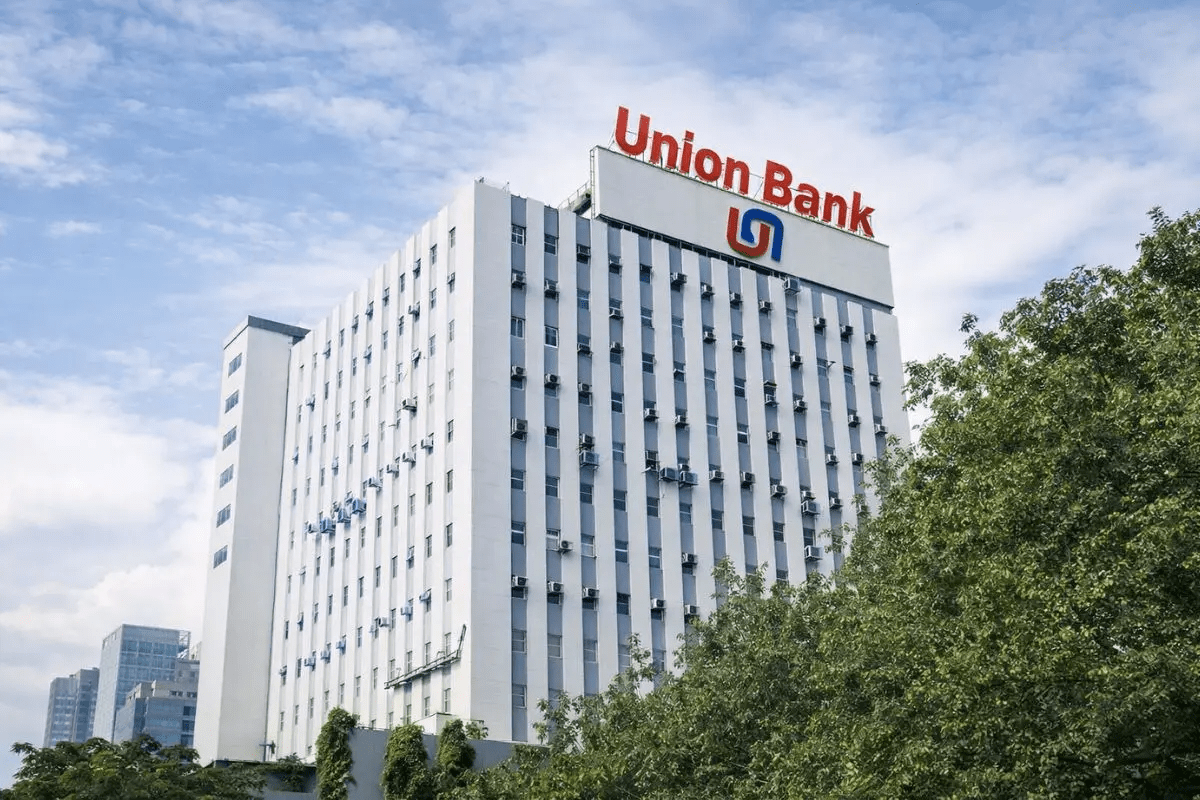
Now the state-owned banking sector is facing fresh scrutiny over financial reporting standards. On Thursday, April 30, 2026, Union Bank of India formally dismissed recent media reports regarding alleged irregularities in its CASA (Current Account Savings Account) data. Therefore, the Union Bank of India CASA data irregularities clarification has become a focal point for investors and regulators alike. Specifically, the bank was responding to a whistleblower’s letter reportedly sent to RBI Governor Sanjay Malhotra. The letter alleged “window dressing” of financial numbers and unusual account activity at the end of the 2025-26 fiscal year. In a swift regulatory filing, Union Bank labeled these claims as “unverified” and highlighted significant factual inaccuracies in the circulated reports.
Add businessleague.in as a Preferred Source


Meanwhile, while the whistleblower pointed to sharp swings in deposits, the bank maintained that such movements are a standard occurrence across the entire banking industry immediately following a financial year-end.
But for the banking franchise, the priority remains affirming the “true and fair view” of its financial statements, which have already undergone rigorous internal and external audits.
Also Read |Tamil Nadu Voter List Purge: 97 Lakh Names Deleted in SIR Phase 1
The Whistleblower Letter: Allegations of Window Dressing
Now we must analyze the specific nature of the claims that sparked this controversy. A senior official reportedly acted as a whistleblower, highlighting what they termed “financial incongruity” within the bank’s books. Therefore, the Union Bank of India CASA data irregularities narrative centers on a letter sent to the RBI Governor.
Key Allegations in the Letter:
First, the whistleblower alleged that CASA data for the FY26 year-end was subject to manipulation. Then, the letter pointed toward unusual account activity and “sharp swings” in deposits that seemed to peak just as the financial year closed. Thus, the implication was that the bank was attempting to present a healthier financial position than actually existed. Next, these allegations suggested a systemic attempt at “window dressing”—a practice where banks temporarily inflate deposits to meet targets. Therefore, the bank felt compelled to issue a detailed rebuttal to protect its reputation.
CASA Explained: Why These Deposits Matter to Banks
Now, to understand the gravity of these allegations, one must understand the importance of the CASA ratio. For a PSU bank, CASA is the lifeblood of cost-effective lending.
The Low-Cost Advantage
First, CASA stands for Current Account and Savings Account deposits. Then, unlike fixed deposits, these accounts offer very low or no interest rates to the customer. Thus, they provide the bank with “low-cost” funds that can be lent out at higher interest rates. Next, a high CASA ratio typically indicates a healthy, profitable bank with strong customer loyalty. Therefore, any allegation that these numbers are being manipulated hits at the core of the bank’s perceived efficiency and financial health.
Union Bank’s Regulatory Defense: Factual Inaccuracies
Now, in its filing with the National Stock Exchange (NSE), Union Bank of India did not mince words. The bank questioned the very credibility of the whistleblower’s claims.
Unverified Sources
First, the bank clarified that the news appears to be based on a letter whose authenticity remains unverified. Then, it pointed out that the circulating articles contain “certain factual inaccuracies” that misrepresent the bank’s actual performance. Thus, the bank is positioning the leak as a potential attempt to spread misinformation. Next, it emphasized that all public reporting follows strict SEBI and RBI guidelines. Therefore, the Union Bank of India CASA data irregularities report is being treated by the management as a distraction rather than a legitimate financial concern.
Also Read |Tamil Nadu Voter List Purge: 97 Lakh Names Deleted in SIR Phase 1
Analyzing the Numbers: Deposit Swings from 2025 to 2026
Now, the bank provided its own MIS (Management Information System) data to showcase the actual movement of its deposit base over the last year.
Deposit Timeline (₹ Lakh Crore):
-
June 2025: ₹12.39
-
December 2025: ₹12.22 (Moderation)
-
March 2026: ₹13.06 (Sharp Rise)
-
April 28, 2026: ₹12.61 (Moderation)
First, it is evident that there was a significant jump of nearly ₹84,000 crore in the final quarter of the fiscal year. Then, the subsequent moderation in April is what the whistleblower likely flagged as “unusual.” Thus, the data confirms the “sharp swings” occurred. Next, the bank argues that these figures, when viewed on an average basis, show consistent growth. Therefore, the management maintains that looking at single-day peaks is an incorrect way to measure the stability of a banking franchise.
The “Normal Course of Business”: Post-Year-End Fluctuations
Now, Union Bank has offered a logical explanation for the dip in deposits seen in April 2026. This is a phenomenon they claim is common across the entire industry.
The April Effect
First, many corporate and institutional clients park large sums in banks at the end of March to satisfy their own year-end balance sheets. Then, these funds are often withdrawn in the first few weeks of April for operational expenses or tax payments. Thus, any movement in deposits immediately after the financial year-end is “in the normal course of business.” Next, the bank noted that its average CASA for April 2026 remains much higher than the average for the previous quarter. Therefore, the Union Bank of India CASA data irregularities claims are, in the bank’s view, a misunderstanding of standard banking cycles.
Audit Rigor: Affirming a True and Fair Financial View
Now, the strongest point in the bank’s defense is the role of its independent auditors. The bank categorically stated that its financial statements are subject to “rigorous audit processes.”
Unmodified Audit Reports
First, the auditors have issued “unmodified” audit reports for the bank’s financials. Then, this term signifies that the auditors found no significant errors or fraudulent activities during their review. Thus, the financial statements present a “true and fair view” according to both regulatory and accounting standards. Next, the bank reminded stakeholders that these audits are conducted by reputable firms with a duty to report any discrepancies to the RBI. Therefore, the management argues that a whistleblower’s unverified letter cannot override a formal, professional audit.
Also Read |Tamil Nadu Voter List Purge: 97 Lakh Names Deleted in SIR Phase 1
Strategic Initiatives: Focus on Liability Accretion
Now, despite the controversy, Union Bank remains focused on its long-term goal: increasing its deposit base through strategic initiatives.
Accretion and Growth
First, the bank continues to focus on “liability accretion,” specifically targeting CASA deposits to keep its cost of funds low. Then, these efforts are supported by a range of digital and physical banking initiatives highlighted in their recent investor presentations. Thus, the bank is attempting to shift the conversation back to its growth story and franchise stability. Next, they pointed out that the average total deposits for April are much higher than the previous year’s figures. Therefore, the Union Bank of India CASA data irregularities noise is being countered with data showing a “strong and stable” franchise.
Conclusion: Protecting the Stability of the Franchise
Now, as the RBI reviews the allegations, the banking industry is watching closely to see if any further investigation is launched.
Final Thoughts
First, Union Bank’s rapid response to the NSE shows its commitment to transparency and shareholder protection. Then, by providing historical MIS data, the bank has attempted to put the “sharp swings” into a broader context. Thus, the narrative of “window dressing” remains a claim that lacks verified evidence at this stage. Next, the focus will remain on the upcoming quarterly results to see if the deposit growth remains sustainable. Therefore, while the whistleblower’s letter caused a temporary ripple, the bank’s reliance on audited data remains its primary shield.
Common Questions Answered
What are the allegations against Union Bank of India? Now, a whistleblower alleged that there were discrepancies and “window dressing” in the bank’s CASA data for the FY26 year-end. Therefore, they claimed the financial numbers were artificially inflated.
How did Union Bank respond to the CASA irregularity reports? First, the bank dismissed the reports as based on an unverified letter with factual inaccuracies. Thus, they maintained that their financial statements are audited and accurate.
Why do bank deposits sometimes dip in April? Next, the bank explained that year-end movements are normal as corporate clients withdraw funds after the March 31 balance sheet deadline. So, this is a standard industry practice.
What is an “unmodified” audit report? So, it is a report where the auditor confirms that the financial statements are presented fairly and accurately. Thus, it means no significant irregularities were found.
What was Union Bank’s total deposit at the end of March 2026? Finally, according to the bank’s MIS data, total deposits stood at ₹13.06 lakh crore at the end of March 2026. Therefore, the average deposit remains higher than in previous quarters.
Also Read |Tamil Nadu Voter List Purge: 97 Lakh Names Deleted in SIR Phase 1
End…
Add businessleague.in as a Preferred Source
🙏 Support Independent Journalism
We keep news free for you.
Most readers support with ₹500 ❤️
or scan QR below

Voluntary contribution. No tax benefits.
DISCLAIMER
We have taken all measures to ensure that the information provided in this article and on our social media platform is credible, verified and sourced from other Big media Houses. For any feedback or complaint, reach out to us at businessleaguein@gmail.com