


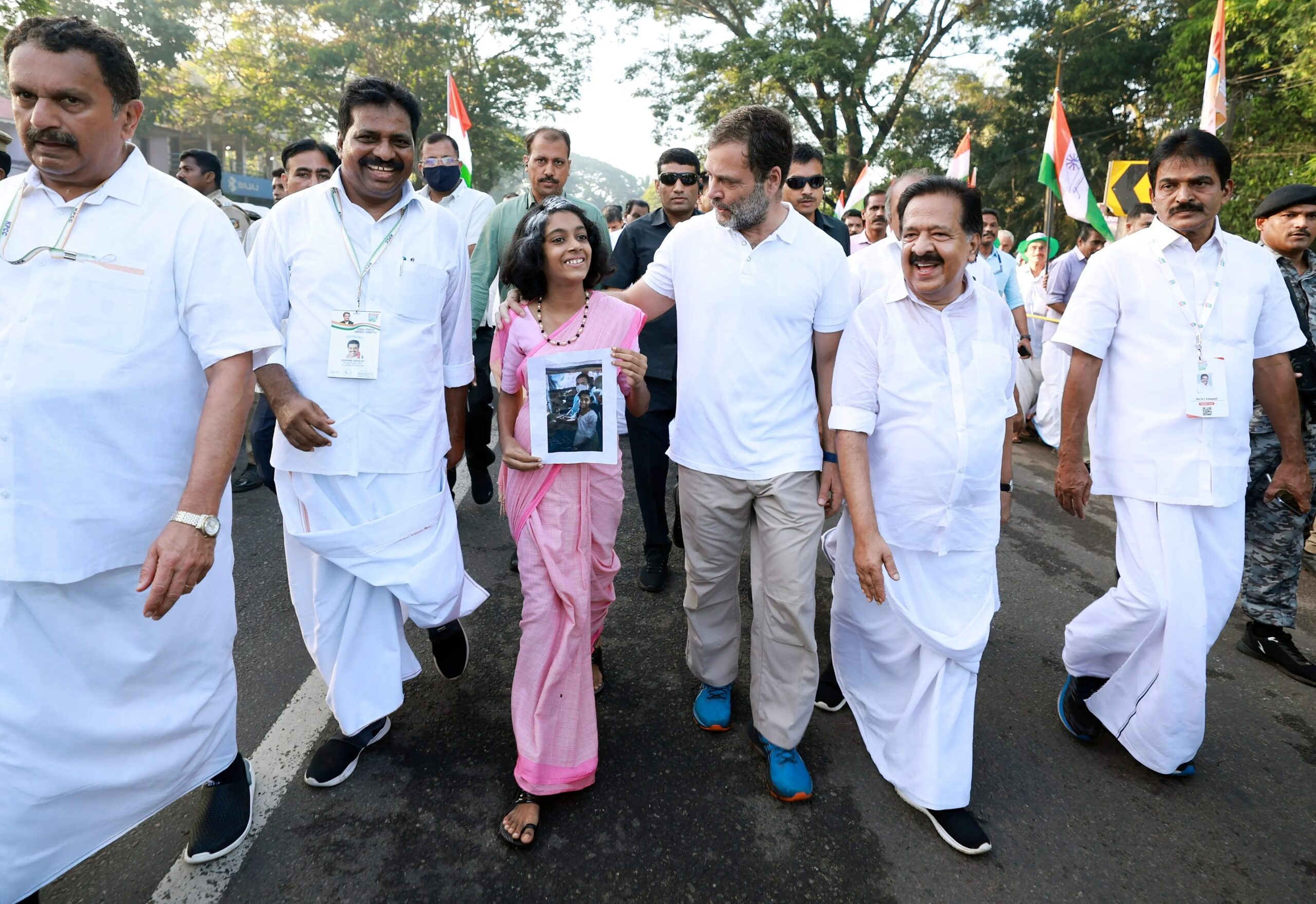
The halls of Parliament became the latest battleground for India’s agrarian future. On February 13, 2026, Rahul Gandhi met with a delegation of 17 farmer unions, including the KMM-India (Kisan Mazdoor Morcha), to signal the start of a nationwide resistance.
Add businessleague.in as a Preferred Source


The core of the dispute? A newly minted trade agreement with the United States that Gandhi claims will “sell the country” to foreign interests. However, the ruling BJP was quick to dismiss the optics, describing the participants as “Congress activists” in disguise.
Also Read |Tamil Nadu Voter List Purge: 97 Lakh Names Deleted in SIR Phase 1
The Parliament Office Huddle: 17 Unions vs. One Trade Deal
During the high-intensity meeting, leaders from unions across Punjab, Haryana, and Madhya Pradesh expressed a “grave threat” to specific sectors.
-
Vulnerable Crops: Farmers growing corn (maize), soyabean, cotton, and fruits fear they cannot compete with subsidized American imports.
-
The “July Uprising” Shadow: Emboldened by recent political shifts in neighboring Bangladesh, union leaders like Sukhpal S. Khaira hinted that a “Kisan movement 2.0” is already in the planning stages.
-
The Promise: Rahul Gandhi assured the delegation he would face any “Privilege Motion” or FIR to defend their rights.
The “Fake Narrative” Counter-Attack: BJP’s Defense
Commerce Minister Piyush Goyal took to social media with a scathing video rebuttal. He argued that the Opposition is intentionally provoking the Annadatas (food providers) for political gain.
-
“Habitual Liar”: Goyal used the term to describe Gandhi’s claims that dairy and poultry were part of the deal.
-
Zero-Duty Access: The Minister highlighted that the deal actually secures zero-duty access for Indian spices, tea, coffee, and mangoes into a $30-trillion US market.
-
Shielding the Core: According to the Ministry, staples like wheat, rice, and millets remain entirely protected behind high tariff walls.
Also Read |Tamil Nadu Voter List Purge: 97 Lakh Names Deleted in SIR Phase 1
Deep Dive: What’s Actually in the India-US Interim Pact?
To understand the friction, one must look at the specific trade-offs made in the February 2026 joint statement:
-
Indian Gains: The US has lowered the “penal” reciprocal tariff on Indian textiles, leather, and footwear from 50% to a flat 18%. This was a key demand after the US linked earlier tariffs to India’s purchase of Russian oil.
-
US Concessions: India will reduce duties on almonds, walnuts, pistachios, and “Distillers Dried Grains” (DDGS)—a by-product used for animal feed.
-
The $500 Billion “Intent”: India signaled a non-binding intent to purchase half a trillion dollars in US energy and aircraft (Boeing) over five years.
Investigative Layer: The Secret “Pulses” Deletion
An investigative look at the White House “Fact Sheet” reveals a curious shift. On February 9, the original draft mentioned India would reduce tariffs on “certain pulses.” By February 11, following intense backroom lobbying from New Delhi, the word “pulses” was scrubbed from the official document. This suggests the Indian government is acutely aware of the political volatility surrounding lentil prices and is moving to prevent a total collapse of domestic pulse markets.
Also Read |Tamil Nadu Voter List Purge: 97 Lakh Names Deleted in SIR Phase 1
[INDIA-US TRADE BALANCE: 2026 SNAPSHOT]
| Sector | Indian Concession | US Reciprocal Action |
| Agriculture | Reduced duty on Tree Nuts / DDGS | Zero-duty on Spices / Tea / Mangoes |
| Manufacturing | Lowered barriers for US ICT goods | Tariffs cut from 50% to 18% |
| Pharma | 18% Flat Tariff (Branded drugs) | Provisional 0% on Generics |
| Energy | $500B Purchase “Intent” | Removal of 25% “Russian Oil” Penalty |
Next Steps
If you are a farmer or an agri-trader, you should prepare for February 15, as several unions have called for a symbolic “burning of the trade deal” copies across North India. Furthermore, if you are an exporter in the textile or footwear sector, you should consult with your export council to leverage the new 18% tariff window, which is expected to go live by the first week of March 2026.
Also Read |Tamil Nadu Voter List Purge: 97 Lakh Names Deleted in SIR Phase 1
End….
Add businessleague.in as a Preferred Source

