


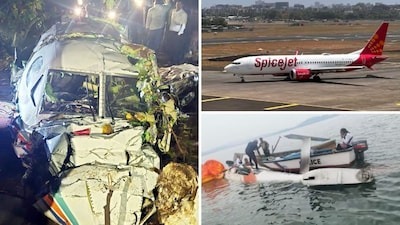
India’s aviation sector is under intense scrutiny following a chaotic 24-hour period that saw three separate emergencies involving non-scheduled and commercial operators. The Directorate General of Civil Aviation (DGCA) has responded with a “zero-tolerance” mandate, ordering intensive audits and grounding parts of a fleet linked to a high-profile crash that killed Ajit Pawar in late January.
Add businessleague.in as a Preferred Source


The incidents have reignited a national debate over the aging fleets of non-scheduled operators (NSOPs) and the lack of oversight in the charter segment.
Also Read |Tamil Nadu Voter List Purge: 97 Lakh Names Deleted in SIR Phase 1
The 24-Hour Crisis: A Timeline
The series of mishaps began on Monday evening and continued through Tuesday morning:
-
Redbird Airways (Jharkhand): At 7:11 PM Monday, a Beechcraft C90 air ambulance took off from Ranchi for Delhi. Minutes after requesting a weather deviation, it crashed in the forests of Simaria, killing all seven occupants, including a patient and two pilots.
-
Pawan Hans (Andamans): At 9:30 AM Tuesday, a helicopter carrying five passengers and two crew ditched into the sea 300 meters short of the Mayabunder helipad. All seven were rescued from the water.
-
SpiceJet (Delhi): At 6:30 AM Tuesday, flight SG121 to Leh declared a “full emergency” after its Number 2 engine failed shortly after takeoff. The Boeing 737 landed safely at IGI Airport.
The VSR Ventures Audit: Grounding the Learjet Fleet
In a direct fallout of the January 28 Baramati crash that killed former Maharashtra Deputy CM Ajit Pawar, the DGCA concluded a special audit of VSR Ventures.
-
The Findings: The audit detected “several non-compliances” in airworthiness and flight operations.
-
The Action: Four Learjet 40/45 aircraft (VT-VRA, VT-VRS, VT-VRV, and VT-TRI) have been grounded until they meet safety standards.
Also Read |Tamil Nadu Voter List Purge: 97 Lakh Names Deleted in SIR Phase 1
New Safety Mandates: The Ranking System
To restore public confidence, the DGCA is introducing a Safety Ranking Mechanism for all charter operators.
-
Public Disclosure: NSOPs must now list the age of their aircraft, maintenance history, and pilot experience directly on their websites.
-
Management Liability: Accountable managers will now be held personally responsible for systemic lapses, preventing companies from simply blaming “pilot error” for mechanical failures.
Reality Check
The DGCA is acting with speed. Still, the regulator remains severely understaffed, which limits its ability to conduct the “random audits” it has promised. Therefore, while a “Safety Ranking” is a great consumer tool, its accuracy depends entirely on the veracity of the data submitted by the operators themselves. In fact, without a massive increase in on-ground inspectors, these new guidelines might struggle to move from paper to the tarmac.
The Loopholes
The grounding of VSR Ventures’ Learjets is specific to four aircraft. In fact, the operator still has other aircraft in its fleet that remain flight-ready. Therefore, the “Fleet-Specific Loophole” allows operators to continue business while specific tail numbers are under investigation. Still, the “PIC Discretion” loophole—where pilots can now cancel flights for safety without commercial fear—is a significant win that finally addresses the “VIP pressure” often cited in charter accidents.
Also Read |Tamil Nadu Voter List Purge: 97 Lakh Names Deleted in SIR Phase 1
What This Means for You
If you frequently charter flights or fly to high-altitude regions like Leh, transparency is now your right. First, before booking a private jet, check the operator’s website for the newly mandated Safety Rankings and aircraft age. Then, if you are a passenger on a delayed flight, realize that the pilot now has the final legal say on whether the weather is safe, overriding any airline’s “commercial commitments.”
Finally, understand that SpiceJet’s engine issues are part of an ongoing trend. You should factor in potential “technical delays” when planning tight connections at Delhi. Before booking, check the DGCA’s official website, where the new safety rankings of all non-scheduled operators are expected to be published starting in March 2026.
What’s Next
The DGCA will launch Phase 2 of its special safety audit of all remaining NSOPs in early March. Then, a physical “Safety Workshop” will be held for all aviation stakeholders to align on the new operational mandates. Finally, the AAIB (Aircraft Accident Investigation Bureau) is expected to release its preliminary report on the Jharkhand air ambulance crash by the end of this week.
Also Read |Tamil Nadu Voter List Purge: 97 Lakh Names Deleted in SIR Phase 1
End….
Add businessleague.in as a Preferred Source

