Oil ministry data reveals the shift matches real rural consumption habits while blocking intermediate cartels from using poor households’ credentials to buy cheap commercial fuel.
Add businessleague.in as a Preferred Source


The operational framework of India’s largest clean-energy welfare distribution system has been heavily re-engineered. In an official administrative decree taking immediate effect, the Ministry of Petroleum and Natural Gas has executed a sharp Ujjwala LPG subsidy cylinders cut, reducing the annual allocation of heavily subsidized fuel refills from nine down to four cylinders per household.
The major policy shift has triggered immediate discussions among consumer rights groups and rural cooperatives. However, cross-ministerial statements confirmed by CNN-News18 emphasize that the correction is not designed to lower fiscal support for underprivileged families. Instead, it serves as a data-driven intervention built to completely plug systemic leakage gaps that allowed commercial cartels to hoard subsidized domestic fuel.
Also Read | Viral Trump Lookalike Buffalo Rescue: Saved From Eid Sacrifice
The Architecture of the Refill Reduction
Under the previous operational system, registered beneficiaries under the Pradhan Mantri Ujjwala Yojana (PMUY) could claim a direct cash subsidy transfer for up to nine 14.2 kg liquefied petroleum gas cylinders over a 12-month cycle.
The new rules establish an absolute cap on the first four refills processed under a linked Aadhaar identity card. Once a family triggers their fifth booking within the same fiscal year, the automated clearinghouse system disables the subsidy rebate file, forcing the consumer to pay the standard retail market rate for any subsequent fuel purchases.
Exposing the Commercial Diversion Cartel
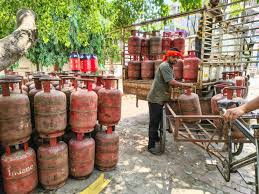
The core driver behind the sudden intervention is the widespread, illegal diversion of domestic cylinders into high-paying commercial markets. Because the price gap between subsidized domestic gas and un-subsidized commercial fuel remains substantial, third-party middlemen were executing fraudulent bookings using the identities of passive rural beneficiaries.
| Operational Performance Matrix | Legacy Nine-Cylinder Framework | Restructured Four-Cylinder Cap |
| Annual Subsidized Allocation | Up to 9 refills per linked consumer. | Limited strictly to the first 4 refills annually. |
| Average Rural Usage Log | Consistently tracked at ~4 cylinders per year. | Aligns perfectly with historical rural usage metrics. |
| Black-Market Vulnerability | Extremely High: 5 excess cylinders open to theft. | Extremely Low: Closes the gap used for illegal resale. |
| Purchase Volume Limits | No limit on total buys, but all received discounts. | No limit on buys, but 5th cylinder hits full price. |
| Long-Term State Objective | Expanding access to clean cooking fuels. | Improving structural transparency and delivery. |
These extorted cylinders were routinely redirected away from rural kitchens and routed directly into small restaurants, local brick kilns, and unauthorized automotive refueling stations. This systematic abuse created a massive financial burden on the state treasury while defeating the program’s primary objective: keeping rural women safe from toxic firewood and biomass smoke.
Also Read | Viral Trump Lookalike Buffalo Rescue: Saved From Eid Sacrifice
Balancing Real Consumption Patterns Against Welfare Deficits
To calm public anxiety, senior petroleum department spokespeople clarified that the new four-refill limit is backed by a thorough review of authentic household consumption habits.
National fuel data shows that roughly 82% of all active Ujjwala households use an average of four cylinders per year. Because many rural households preserve their gas supply by using traditional earthen stoves alongside LPG, the lower limit reflects true, everyday consumption patterns.
Crucially, the government has emphasized that there is no restriction on the absolute number of cylinders a family can physically buy. If a large household requires six or seven refills to get through the winter, they can place orders through their local distributor without delay; they will simply pay the standard market rate for the final few cylinders. By removing the excess buffer used by black-market brokers, New Delhi is taking a decisive step toward making its welfare programs clean, transparent, and financially sustainable for decades to come.
FAQ Section
Why did the government execute the Ujjwala LPG subsidy cylinders cut?
The reduction was driven by data showing that multiple subsidized cylinders were being diverted away from homes and illegally resold into high-paying commercial markets, like restaurants and small businesses. Capping the subsidy at four refills helps eliminate this black-market loop.
Will poor rural families lose access to cooking gas after their fourth cylinder?
No. The government has explicitly noted that there are zero restrictions on the total number of cylinders a household can purchase. The change only limits the financial subsidy to the first four refills; any subsequent cylinders ordered within the year will be sold at standard retail market prices.
How does the new four-cylinder cap impact standard household budgets?
Internal fuel tracking shows that the average Ujjwala beneficiary naturally consumes roughly four cylinders per year. Because the cap lines up with authentic rural usage data, the vast majority of regular, low-income users will experience zero impact on their routine household budgets.
Also Read | Viral Trump Lookalike Buffalo Rescue: Saved From Eid Sacrifice
End….
Add businessleague.in as a Preferred Source
🙏 Support Independent Journalism
We keep news free for you.
Most readers support with ₹500 ❤️
or scan QR below

Voluntary contribution. No tax benefits.
DISCLAIMER
We have taken all measures to ensure that the information provided in this article and on our social media platform is credible, verified and sourced from other Big media Houses. For any feedback or complaint, reach out to us at businessleaguein@gmail.com