


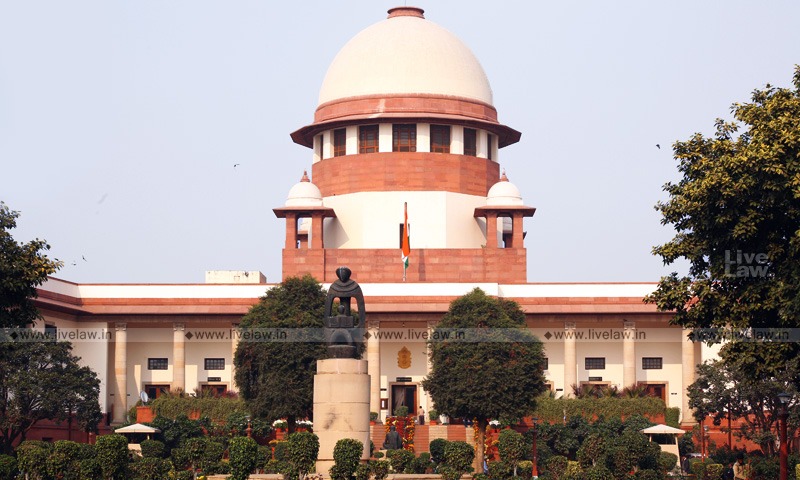
The Supreme Court of India has moved to close a procedural gap that has allowed criminal appeals to linger for decades. In a judgment released yesterday, the court emphasized that while the appointment of an amicus curiae is a vital tool for judicial efficiency, it cannot override the fundamental right of a convict to be informed about the status of their legal representation.
Add businessleague.in as a Preferred Source


Also Read |Tamil Nadu Voter List Purge: 97 Lakh Names Deleted in SIR Phase 1
The “Inch and a Mile” Paradox: Case Background
The matter arose from an appeal by a man convicted in a 2000 murder case. After being on bail for over 20 years, his 2003 appeal was finally heard by the Jharkhand High Court in 2024. Because his original lawyer was absent, the High Court appointed an amicus curiae.
-
The Success: The amicus successfully argued to reduce his sentence from life imprisonment to just 5 years.
-
The Irony: Instead of being grateful, the convict moved the Supreme Court, claiming he was never told his lawyer was gone and that the amicus didn’t argue for total acquittal.
-
The Court’s View: Musing that some “give an inch and ask for a mile,” the SC noted that while the amicus did a good job, the lack of notice gave the convict a technical “loophole” to challenge the verdict.
New Procedural Safeguards
To prevent “fresh rounds of litigation,” the Supreme Court has laid down the following protocol:
-
Registry Notice: The court registry must send a notice to the convict’s recorded address.
-
Police Assistance: This notice should ideally be served through the local police station to ensure delivery.
-
Choice of Counsel: The convict must be told they can either instruct the amicus or appoint a new private lawyer.
-
Co-Existence: If a convict appoints a new lawyer late, the court can hear both that lawyer and the amicus.
Also Read |Tamil Nadu Voter List Purge: 97 Lakh Names Deleted in SIR Phase 1
Dealing with “Untraceable” Convicts
The Bench was blunt about convicts who use bail to vanish. “These convicts… need to be dealt with firm and strong hands,” the judgment stated.
-
Affixation: If a convict refuses notice or is not found, “pasting the notice on the outer wall” of their home is now considered sufficient compliance.
-
Dormancy: If the convict remains unresponsive after this, the High Court is free to decide the appeal on merits without further waiting.
Reality Check
This ruling is a double-edged sword for the 4.5 lakh prisoners in India. On one hand, it protects the Right to Choice of Counsel (Article 21). On the other, it removes the “I didn’t know” excuse that has historically allowed people to dodge the conclusion of their cases. By streamlining the amicus process, the SC is essentially telling convicts: “The court will wait for you once, but it won’t wait forever.”
The Loopholes
The Supreme Court mandates notice to the “registered address.” In fact, this is a “Transient Loophole”—many convicts change residences over 20 years without updating the court. Therefore, the police might serve notice to an empty house, and “affixation” will allow the case to proceed even if the convict is genuinely unaware. Still, the “Abatement Loophole” remains; this new process helps courts identify if a convict has died during the 20-year wait, allowing the court to close the file and save “precious judicial time.”
Also Read |Tamil Nadu Voter List Purge: 97 Lakh Names Deleted in SIR Phase 1
What This Means for You
If you or anyone you know has a long-pending criminal appeal while out on bail, ensure your registered address with the High Court is current. First, realize that the courts are now on a “cleanup drive” to finish cases from the early 2000s.
Then, if your lawyer retires or passes away during the decades of waiting, understand that the court will now actively try to tell you before they step in. Finally, understand that refusing a notice is no longer a delay tactic. Under the new 2026 rules, a refusal is as good as a “yes” to proceed with a court-appointed lawyer.
What’s Next
Expect High Courts to issue fresh circulars to their registries within the next 30 days to implement these notice protocols. Then, look for a spike in decided cases as “dormant” appeals are finally cleared from the dockets. Finally, expect the National Judicial Data Grid (NJDG) to add a new tracking metric: “Notice Served for Amicus Appointment,” making the process transparent for the public.
Also Read |Tamil Nadu Voter List Purge: 97 Lakh Names Deleted in SIR Phase 1
End…
Add businessleague.in as a Preferred Source

