


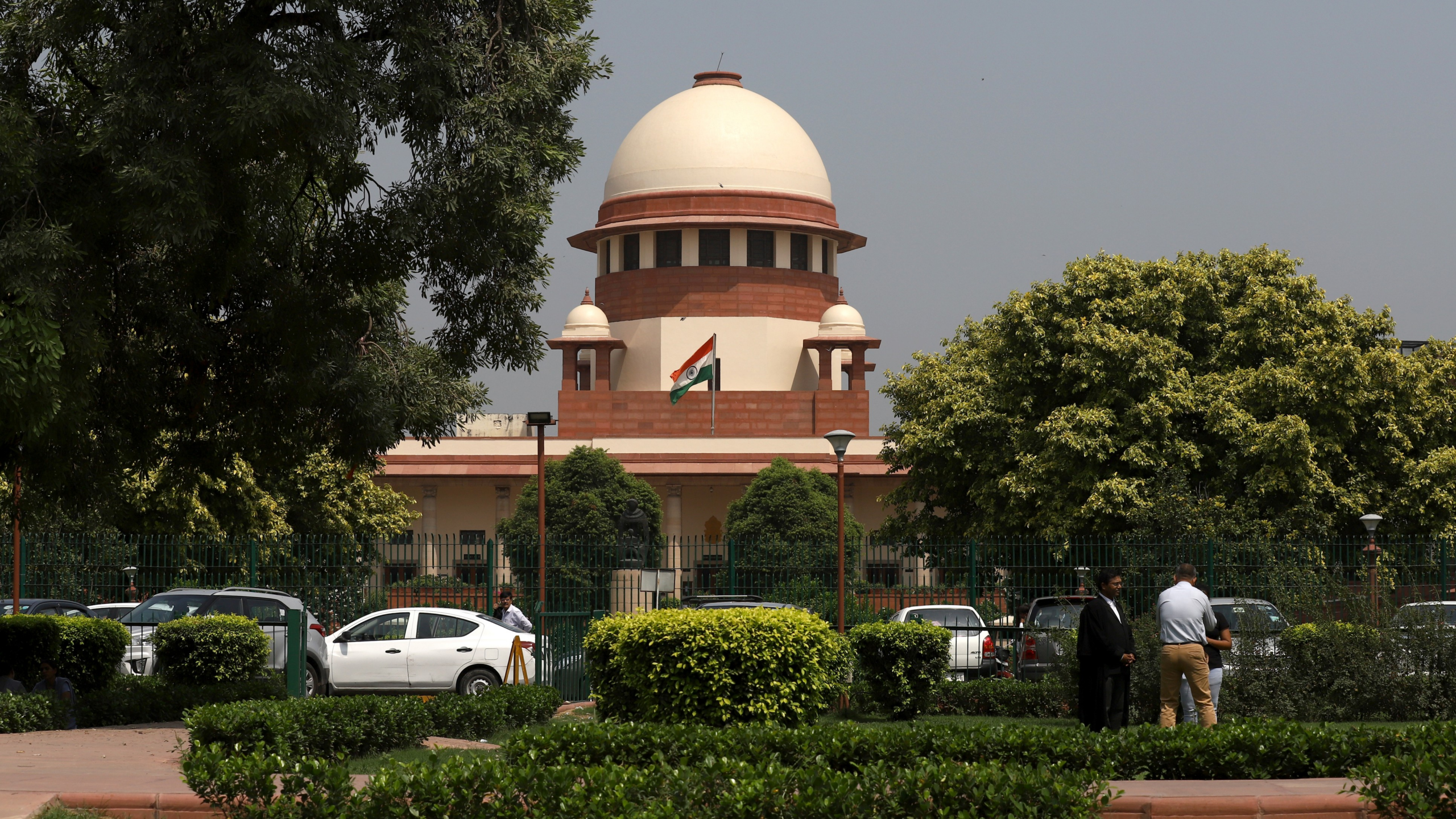
Now the Supreme Court has delivered a landmark clarification on constitutional identity. On Tuesday, March 24, 2026, the bench ruled that conversion to religions outside the recognized framework results in the automatic loss of Scheduled Caste (SC) status. Therefore, individuals who convert to Christianity or other faiths cannot claim protections under the SC/ST (Prevention of Atrocities) Act. This verdict upholds a previous high court decision and reaffirms the boundaries of the Constitution (Scheduled Castes) Order, 1950.
Add businessleague.in as a Preferred Source


Also Read |Tamil Nadu Voter List Purge: 97 Lakh Names Deleted in SIR Phase 1
At a Glance:
-
The Ruling: SC status is restricted to those professing Hinduism, Sikhism, or Buddhism.
-
Legal Impact: Conversion disqualifies a person from using the SC/ST Act for legal complaints.
-
The Evidence: Current religious practice at the time of an incident outweighs a physical caste certificate.
-
The Case: Involved a pastor from Andhra Pradesh alleging caste-based abuse.
-
The Logic: The court held that the caste system is “alien” to faiths like Christianity.
In This Article:
-
The 1950 Constitutional Scheme Explained
-
Why a Caste Certificate Does Not Guarantee Status
-
Case Study: The Guntur Pastor Controversy
-
High Court vs. Supreme Court: The Legal Journey
-
Frequently Asked Questions (FAQs)
Also Read |Tamil Nadu Voter List Purge: 97 Lakh Names Deleted in SIR Phase 1
The 1950 Constitutional Scheme Explained
Now the legal foundation of this ruling rests on the Constitution (Scheduled Castes) Order, 1950. This order specifies which groups qualify for affirmative action and legal protection. Therefore, the law originally applied only to Hindus to address the historical baggage of untouchability.
First, the order was later amended to include Sikhs in 1956 and Buddhists in 1990. Next, the Supreme Court clarified that these are the only three religions recognized under the SC umbrella. Thus, any person voluntarily exiting these faiths through conversion “voluntarily exits” the legal protections of that caste.
Why a Caste Certificate Does Not Guarantee Status
Now the court addressed a common point of confusion regarding paperwork. Many individuals continue to hold a “Scheduled Caste Certificate” even after converting. Therefore, the complainant in the Andhra Pradesh case argued that his certificate made him eligible for protection.
But the bench of Justices Prashant Kumar Mishra and Manmohan rejected this. First, they ruled that the religion practiced at the time of an incident is the “determinative factor.” Next, they clarified that the validity of a certificate is an administrative issue, not a shield against the facts of one’s faith. Thus, mere possession of the document does not revive eligibility once a person becomes a practicing Christian or Muslim.
Also Read |Tamil Nadu Voter List Purge: 97 Lakh Names Deleted in SIR Phase 1
Case Study: The Guntur Pastor Controversy
Now the specifics of the case highlight how this law applies in real-time. Chinthada Anand, a resident of Guntur, filed a complaint in 2021 alleging assault and caste-based slurs. Therefore, the police registered a case under the SC/ST Act.
However, evidence surfaced that Anand had been a practicing pastor for over a decade. First, witnesses confirmed he conducted regular evangelical meetings. Next, the accused, Akkala Rami Reddy, argued that a pastor cannot legally be a “Scheduled Caste” member. Thus, the Supreme Court agreed that since the petitioner was actively functioning as a Christian leader, he was ineligible for the protections meant exclusively for the SC community.
High Court vs. Supreme Court: The Legal Journey
Now this ruling effectively endorses the Andhra Pradesh High Court’s April 2025 decision. Justice N. Harinath had previously quashed the criminal proceedings, stating that the SC/ST Act cannot be misused.
So what was the High Court’s core logic? First, they noted that the caste system is doctrinally non-existent in Christianity. Next, they argued that a person who chooses a different social structure cannot seek benefits from a law designed to fix discrimination within the Hindu structure. Therefore, the Supreme Court’s confirmation today creates a binding precedent for all similar cases across India in 2026.
Frequently Asked Questions (FAQs)
Does a person lose SC status if they convert to Buddhism? No. Under the current constitutional scheme, individuals practicing Hinduism, Sikhism, and Buddhism retain their SC status.
Can a converted person still get reservation in jobs? Generally, no. Once a person converts to Christianity or Islam, they are usually moved to the OBC (Other Backward Classes) category, depending on state-specific lists.
What happens to the existing SC certificate after conversion? The certificate remains technically valid until canceled by authorities, but this ruling proves it cannot be used for legal protection under the SC/ST Act.
Is there any way to regain SC status? The court noted that “reconversion” to the original faith and re-acceptance by the caste community can, in some legal contexts, restore status, but this must be proven.
Also Read |Tamil Nadu Voter List Purge: 97 Lakh Names Deleted in SIR Phase 1
End….
Add businessleague.in as a Preferred Source

