


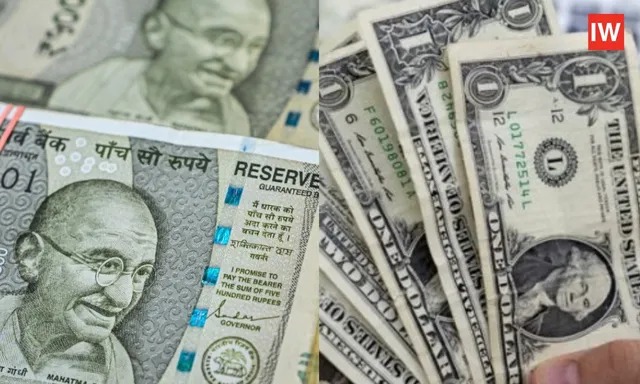
The domestic currency ended the day sharply higher, closing at 89.90 against the US dollar. That’s a gain of 29text{paise from the previous close of 90.19.
Add businessleague.in as a Preferred Source


The recovery is being directly attributed to the Reserve Bank of India (RBI).
-
Intervention Level: Forex analysts saw the RBI’s intervention in the spot market around the 90.30–90.40 level—right when the currency was plumbing its record low depths.
-
The Method: Market participants speculated that the RBI may have executed a sell–buy swap. This is a tactical move that supplies dollars into the spot market and helps smooth volatility without draining the RBI’s foreign exchange reserves outright. It also helped unwind some speculative positions that were betting against the rupee.
Global Factors Lending Support
The recovery wasn’t just a domestic effort. Global conditions helped, too.
-
Weaker Dollar: The Dollar Index (DXY), which measures the dollar’s strength against six major currencies, weakened to 98.78. This softening was driven by markets starting to price in a Federal Reserve (Fed) rate cut, which is expected next week. A softer dollar globally translates to support for the rupee locally.
The Underlying Pressure
Despite the strong rebound, the fundamental pressure on the rupee remains unsupportive. This is the thing: the RBI is playing defense, but the outflows are still intense.
Jotting down the pressure points:
-
FPI Outflows: Foreign portfolio investors (FPIs) were sustained sellers again, offloading text{Rs } 4,752.4\text{crore}$of domestic equities today alone. Year-to-date in 2025, they have pulled out text{Rs } 13,121text{crore} of local shares.
-
Trade Deficit: The elevated trade deficit continues to put a heavy burden on the currency.
The technical resistance for the USD/INR pair is at $90.45$, and the immediate support is at $89.70$. All eyes are now on RBI Governor Sanjay Malhotra’s policy address on Friday—traders will be listening closely for any remarks that signal the central bank’s medium-term strategy for the currency.
End..
Add businessleague.in as a Preferred Source

