


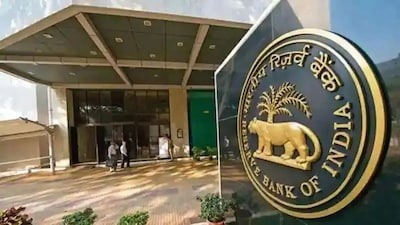
After decades of “buyer beware” culture in Indian bank branches, the Reserve Bank of India (RBI) is finally reaching for its regulatory scalpel. Under the leadership of Governor Sanjay Malhotra, the central bank has unveiled a sweeping draft proposal that moves beyond mere “guidelines” and into the territory of mandatory legal accountability.
Add businessleague.in as a Preferred Source


This isn’t just about an overzealous relationship manager pushing a ULIP; it’s a structural attempt to sanitize the entire distribution pipeline of Indian financial services.
Also Read |Tamil Nadu Voter List Purge: 97 Lakh Names Deleted in SIR Phase 1
The Tipping Point: 2.5 Lakh Grievances and a Regulatory Pivot
The numbers are too large to ignore. Data from the IRDAI Annual Report 2024-25 reveals a staggering 2.57 lakh insurance grievances recorded in the last fiscal year.
-
The “Unfair” Spike: Complaints regarding Unfair Business Practices (UFBP) rose by 14% year-on-year, now making up 22.14% of all life insurance grievances.
-
The Bancassurance Trap: Banks alone contributed to over 49% of private insurers’ individual new business premiums, placing the majority of conduct risk squarely at bank counters.
The “Dark Pattern” Crackdown: Banking Apps Under the Scanner
In a first for Indian financial regulation, the RBI has explicitly targeted “Dark Patterns”—deceptive UI/UX designs used to nudge or trick customers into unintended purchases.
-
Banned Tactics: The draft bars techniques like “Confirm Shaming” (making the “No” option sound like a mistake), “Basket Sneaking” (adding insurance to a loan application without notice), and “False Urgency” timers.
-
Mandatory Audits: Lenders must now subject their apps and websites to periodic internal audits specifically to identify and eliminate these manipulative features.
Also Read |Tamil Nadu Voter List Purge: 97 Lakh Names Deleted in SIR Phase 1
Direct Accountability: 100% Refunds and Compensation
The most radical shift in the February 2026 draft is the introduction of a financial penalty that actually bites the bank’s bottom line.
-
Proof of Suitability: Banks must now prove that a product was “suitable” based on the customer’s age, income, and risk appetite.
-
The Refund Mandate: If mis-selling is established, the bank must refund the entire amount paid and cancel the sale.
-
Loss Compensation: Beyond a simple refund, banks will be required to compensate for the opportunity cost or financial loss suffered by the customer.
The Incentive War: Breaking the Bank-Insurer Nexus
For years, the “hidden” driver of mis-selling has been the lucrative commissions and foreign trips offered by insurance companies to bank staff. The RBI’s draft seeks to cut this cord.
-
Staff Ban: It explicitly ensures that no incentive—direct or indirect—is received by bank employees from a third party (like an insurer or AMC).
-
Clear Identification: Direct Selling Agents (DSAs) operating inside bank branches must now be clearly distinguishable from bank staff through visible ID tags to avoid “professional confusion.”
Also Read |Tamil Nadu Voter List Purge: 97 Lakh Names Deleted in SIR Phase 1
[KEY CHANGES: RBI MIS-SELLING DRAFT 2026]
| Feature | Current Practice | Proposed Rule (July 1, 2026) |
| Refunds | Partial/Pro-rata (subject to policy) | 100% Full Refund + Compensation |
| Incentives | Commission-driven contests | Ban on Third-Party Staff Incentives |
| Consent | Clubbed/Hidden in 40-page PDFs | Recorded, Item-wise Explicit Consent |
| Digital Sales | “Dark Patterns” common | Banned; Subject to Periodic Audit |
| Feedback | Only via complaint filing | Mandatory Follow-up within 30 Days |
The Enforcement Gap: What Remains Unclear
Despite the draft’s “teeth,” investigative scrutiny reveals several lingering gray areas that could dilute its impact:
-
The Definition of “Established”: While the RBI mandates a refund once mis-selling is established, the draft does not yet define the specific evidentiary standard required. Will a recorded call suffice, or will the burden of proof remain on the customer?
-
Small-Value Fraud: While the Governor mentioned a ₹25,000 compensation cap for small-value fraudulent transactions in his MPC speech, the draft for mis-selling does not yet link this to a fast-track settlement process.
-
The “July 1” Transition: There is no clarity on whether these rules will apply retrospectively to products sold in late 2025 or early 2026.
Next Steps
If you have been a victim of mis-selling, you should submit your feedback to the RBI via the ‘Connect 2 Regulate’ section on their website before the March 4 deadline. Furthermore, if you are planning to buy a financial product before July 1, you should insist on a separate consent form for each product, as banks are already being “nudged” to adopt these transparency standards ahead of the official enforcement date.
Also Read |Tamil Nadu Voter List Purge: 97 Lakh Names Deleted in SIR Phase 1
End…
Add businessleague.in as a Preferred Source

