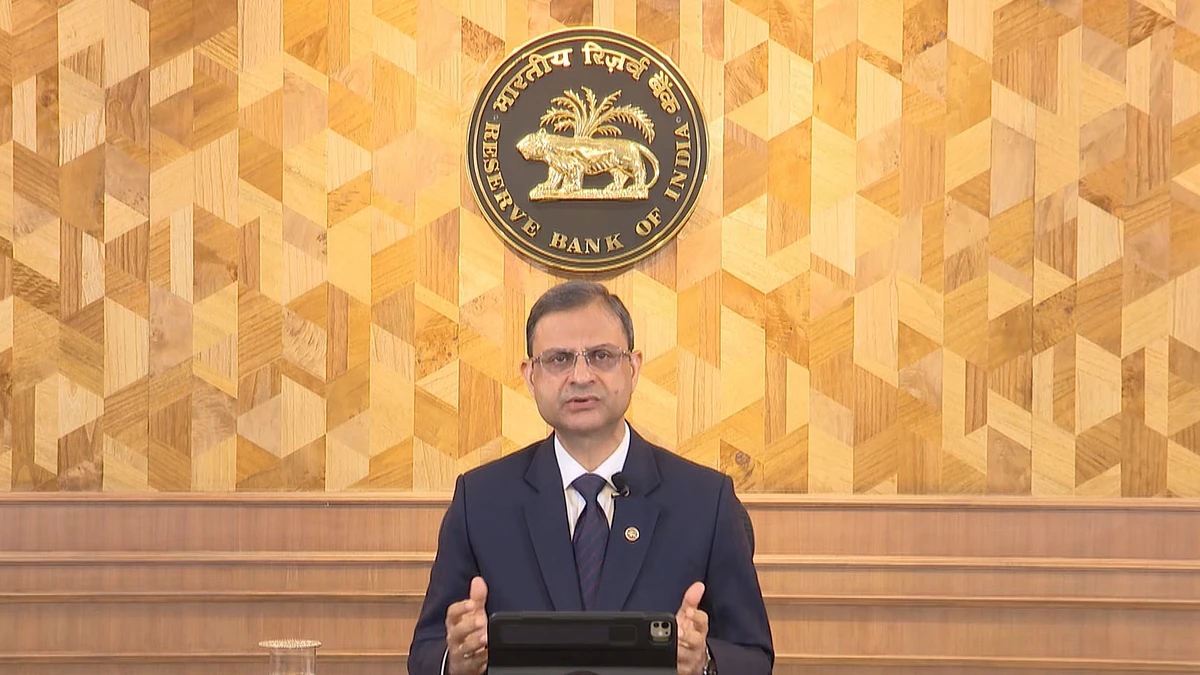
Now the central banking community of India is preparing for its most critical summer policy review. Financial markets are tracking global volatile capital movements with extreme analytical care this week. Therefore, consensus data from leading bank treasuries confirms that the RBI likely to hold rates steady at its upcoming June Monetary Policy Committee session.
Add businessleague.in as a Preferred Source


Meanwhile, this strategic preference prioritizes long-term domestic industrial growth over short-term currency exchange battles. The monetary panel intends to keep the benchmark repo rate locked at its current operational baseline. Still, navigating the complex global macro map requires deploying highly specialized secondary liquidity tools right now.
Protecting domestic corporate expansion remains the primary focus of state planners.
Also Read | Viral Trump Lookalike Buffalo Rescue: Saved From Eid Sacrifice
Consensus Builds Around a Stable Policy Corridor
Now independent macroeconomic indicators prove that a monetary tightening phase is completely unnecessary right now. The country’s baseline financial positions are showing excellent resilience against external global friction points. Therefore, tracking data supports the outlook that the RBI likely to hold rates steady to maintain commercial momentum.
So the expert panel sees no logical urgency to alter the current price of credit. Meanwhile, consumer retail habits are remaining stable across major metropolitan manufacturing hubs. Thus, the board can afford to maintain a steady pause throughout the upcoming weekly session.
“The current data framework demands a highly predictable policy stance,” an institutional researcher stated in New Delhi early Friday. Therefore, corporate treasuries can finalize their expansion budgets without fearing sudden shifts in interest expenses.
Wiping Out Speculative Fears
First, the central bank completed its necessary downward adjustments during previous policy cycles to kickstart industrial activities. Those early measures succeeded in building a solid liquidity cushion for local developers. Therefore, reversing those benefits prematurely would damage business confidence severely.
Next, the broad monetary board wants to observe how the summer rain patterns impact rural purchasing power before changing gears. A balanced monsoon distribution protects crop yields and keeps rural consumer demands high. Thus, waiting for full weather updates remains the smartest path for developers.
Finally, the industrial production index logged excellent gains during the last quarter review. Factories are operating near optimal capacity bounds across major engineering sectors. Therefore, changing the baseline rate structure risks interrupting this organic manufacturing recovery loop. Period.
The Corporate Sigh of Relief
So domestic stock indices recorded steady gains following the publication of these banking poll trends. Corporate finance chiefs are glad that the central bank is ignoring calls for aggressive currency defense hikes. Still, keeping the layout stable demands careful management of cross-border cash pathways.
Now let’s analyze how the bank intends to isolate exchange rate risks.
Separating Exchange Rate Protection From Interest Rules
Now let’s clear up a major public misconception regarding currency management. Many novice investors believe that a central bank must always hike domestic interest rates whenever the local currency faces temporary exchange drops. Wrong.
Instead, utilizing the main repo rate to defend the rupee causes severe collateral damage across the wider home market. Raising interest rates drives up home loan costs and squeezes retail consumer wallets instantly. Therefore, the RBI likely to hold rates steady while using alternative, targeted tools to handle currency fluctuations.
Meanwhile, top research houses are backing this precise separation strategy. Emkay Global Chief Economist Madhavi Arora explained that any future tightening would follow pure domestic demands rather than foreign exchange movements.
Isolating the Currency Desks
First, the banking regulator operates massive autonomous foreign currency reserves to check speculative attacks on the rupee. The central trading desk can simply sell dollars directly into the interbank market to absorb excess demand. Therefore, they do not need to alter main borrowing costs to protect currency values.
Next, using interest rates as a currency shield often signals panic to international asset managers. Global funds prefer investing in countries where monetary policy focuses strictly on domestic price stability. Thus, maintaining a steady repo rate actually preserves foreign investor confidence long-term.
Finally, the expert added that a rate hike would only happen if domestic demand began outstripping available structural resources. Since current production capacities are matching market needs perfectly, that threat stays inactive. Therefore, the baseline path stays flat. Period.
The Analytical Validation
So economic planners are keeping a close watch on corporate debt performance sheets. They know that keeping credit affordable allows firms to refinance their older high-interest bonds smoothly. Thus, the separation strategy protects institutional balance sheets across the country.
Are interest lines changing for currency reasons? No. Is the system safe? Probably.
How Recent Inflation Drops Shield Local Consumers
Now price stability forms the true bedrock of the current status quo consensus. The central bank enforces a strict legislative mandate to keep consumer price indicators near the 4 percent midpoint. Therefore, the latest inflation data disclosures provide excellent operational breathing room to the panel.
The Cooling Price Metrics
First, consumer price figures dropped back inside the comfortable regulatory tolerance zone this month. The cooling of core manufactured goods prices has offset short-term gains inside secondary transport sectors. Therefore, the board faces zero pressure to execute immediate cooling measures.
So if we review the current policy tracking metrics:
-
Headline inflation stays firmly within the acceptable 2 to 6 percent band
-
Core manufacturing cost indexes show excellent long-term stabilization patterns
-
Wholesale raw material procurement bills are dropping across industrial cities
The data confirms that the central bank’s previous balancing actions are working beautifully.
A Welcome Cushion for Households
Next, this price relief allows urban households to preserve their discretionary savings balances. When utility bills stay within predictable boundaries, families spend more on consumer goods and tech upgrades. Thus, the wider retail economy enjoys steady organic growth.
So the upcoming MPC panel will likely highlight this consumer stability inside their final comment papers. They intend to lock in these inflation wins before considering any future shift toward credit relaxation. Therefore, a prolonged status quo serves as the safest path for the macroeconomy.
Also Read | Viral Trump Lookalike Buffalo Rescue: Saved From Eid Sacrifice
The Severe Danger of Damaging Domestic Demand Growth
Now we must examine the substantial commercial risks of executing an unnecessary rate hike today. The national economy is moving through a highly sensitive phase of capital reinvestment. Therefore, triggering an unexpected jump in borrowing costs could stall vital private infrastructure projects instantly.
Protecting the Capital Pipeline
First, commercial banks would pass a policy rate hike directly down to retail consumers within 24 hours. Home buyers, automobile shoppers, and small business owners would face immediate jumps in their monthly EMI liabilities. Therefore, retail market demand would suffer a major structural blow.
Next, look at the real estate sector dynamics. Affordable housing networks rely heavily on cheap long-term building loans to maintain project delivery speeds. Thus, increasing capital costs drops developer profit margins below sustainable thresholds.
Then, high borrowing rates discourage young start-ups from drawing down fresh venture credit lines. Founders trim their expansion plans and pause local hiring drives to protect cash reserves. Therefore, the employment market faces sudden negative pressure.
The Consumption Trap
So forcing a credit contraction when inflation is already under control is a massive administrative mistake. It creates an artificial economic slowdown without delivering any real structural benefits to ordinary citizens. Therefore, the governor is prioritizing growth protection.
The data demands an absolute pause on any hawkish maneuvers.
Utilizing Liquidity Management Tools to Curb Speculation
Now maintaining a flat repo rate does not mean the central bank stays completely passive. The regulator uses a complex array of secondary market instruments to control daily cash balances. Therefore, these subtle interventions manage market pressures without disturbing baseline interest targets.
The Mechanics of Variable Rate Repos
First, the central desk conducts regular Variable Rate Reverse Repo auctions to pull excess cash out of commercial banking channels. Adjusting daily banking liquidity levels blocks speculative currency trading houses from building large short positions against the rupee. Therefore, short-term stability stays high.
Next, look at the targeted market operation systems. The bank can buy or sell short-term government bonds to calibrate long-term yield patterns smoothly. Thus, they ensure that corporate borrowing lines stay highly efficient throughout the week.
Then, these specialized operations happen quietly behind the scenes without demanding a formal MPC vote. The market updates its positions based on real-time data feeds rather than shocking policy announcements. Therefore, daily volatility indicators stay remarkably low.
The Operations Ledger
First, treasury desks monitor daily cash surpluses. Then, the central bank adjusts banking reserve ratios. Now, overnight call money rates stay closely tied to the main policy corridor. Finally, this deep calibration keeps the entire financial system grounded.
The backroom tools are doing the heavy lifting.
Why Global Central Banks Face a Double Balancing Act
Now India is navigating these domestic adjustments within a highly volatile international financial landscape. Major western monetary bodies are struggling to manage sticky inflation numbers at home. Therefore, domestic policy makers must insulate local channels from global shocks.
The Western Divergence
First, the US Federal Reserve is delaying its expected interest rate cuts due to strong domestic job data. This choice keeps the global dollar index exceptionally firm against all major global trading currencies. Therefore, emerging market boards must build solid defensive walls.
Next, volatile international capital flows are causing sudden liquidity swings across developing regions. Speculative funds shift back to western bond networks whenever geopolitical tensions flare up in West Asia. Thus, local central banks face continuous outward cash pressure.
Then, the Reserve Bank of India’s large foreign gold and currency reserves provide an excellent buffer against these international shifts. The country does not have to match western rate hikes blindly to survive. Therefore, domestic policy remains perfectly sovereign.
Also Read | Viral Trump Lookalike Buffalo Rescue: Saved From Eid Sacrifice
Tracking the Key Benchmarks of the June MPC Meeting
Now let’s project what investors will focus on when the final policy statement drops next week. The market already discounts a flat rate decision completely. Therefore, the true trading action will react to the governor’s forward-looking commentary text.
The Four Pillars of the Policy Statement
First, analysts will parse the central bank’s exact vocabulary regarding future inflation trajectories. Any subtle shift in risk descriptions will alert trading desks to upcoming policy pivots. Therefore, semantic precision remains essential.
Next, look at the panel’s review of the current monsoon progress indicators. The board will align its rural growth estimates with the latest satellite maps from the weather office. Thus, agricultural metrics will dictate the long-term tone.
Then, the governor will clarify the bank’s stance on systemic liquidity. He will likely detail how long the desk plans to maintain its tight grip on banking cash balances. Therefore, commercial lenders can price their upcoming deposit schemes accurately. End of story.
Frequently Asked Questions
Now let’s resolve immediate questions from the public regarding the upcoming central bank policy review. These answers explain rates, tools, and growth metrics clearly. Therefore, read them carefully.
Why is the RBI likely to hold rates steady during the June meeting? The main reason is that domestic inflation indicators are staying comfortably within the central bank’s official target zone. Additionally, the monetary panel wants to support ongoing industrial growth rather than driving up borrowing costs. Therefore, a status quo is highly expected.
Will the central bank hike interest rates to defend the falling Rupee? No. Economists confirm that the central bank prefers to use targeted foreign exchange interventions and liquidity management tools to handle currency volatility. Using main repo rate hikes solely for rupee defense risks slowing down economic growth unnecessarily.
What are the exact dates for the upcoming June MPC review session? The Reserve Bank of India’s Monetary Policy Committee is scheduled to conduct its high-stakes policy review discussions between June 3 and June 5, 2026. The final rate decision statement will drop on the morning of June 5.
How do stable crude oil trends help the central bank’s policy choices? India imports more than 80 percent of its crude oil requirements. When global Brent crude prices stay stable below $95 per barrel, the national import bill shrinks, which stabilizes the rupee and prevents imported inflation. Thus, it gives the bank room to hold rates.
What is a Variable Rate Reverse Repo (VRRR) tool? It is a specialized liquidity management tool that the central bank uses to pull excess cash out of the commercial banking system. This operation helps control short-term money market rates and checks speculative trading without changing the core repo rate.
Will home loan EMIs increase after the June monetary policy announcement? Since the consensus points toward an absolute status quo on the benchmark repo rate, commercial banks are unlikely to alter their retail lending rates. Therefore, your current home and auto loan EMIs should stay completely steady.
What is the primary focus of the upcoming policy commentary text? Investors and corporate treasuries will closely monitor the governor’s statements regarding summer monsoon progress, systemic liquidity management levels, global macroeconomic risks, and the long-term growth trajectory for the remainder of FY27. End of story.
Also Read | Viral Trump Lookalike Buffalo Rescue: Saved From Eid Sacrifice
End…
Add businessleague.in as a Preferred Source
🙏 Support Independent Journalism
We keep news free for you.
Most readers support with ₹500 ❤️
or scan QR below

Voluntary contribution. No tax benefits.
DISCLAIMER
We have taken all measures to ensure that the information provided in this article and on our social media platform is credible, verified and sourced from other Big media Houses. For any feedback or complaint, reach out to us at businessleaguein@gmail.com