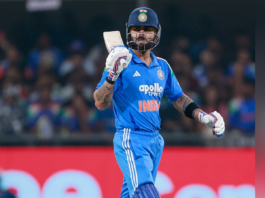

Now the most successful franchise in Indian Premier League history faces a historic structural realignment. A chaotic league campaign exposed deep divisions inside the squad’s core planning groups. Therefore, the team owners are executing emergency operations to stabilize their brand value ahead of the upcoming megacycle. The highly anticipated choice of the next Mumbai Indians captain will officially follow a completely fresh administrative protocol.
Add businessleague.in as a Preferred Source


Meanwhile, team management decided to reverse their previous independent selection methods entirely. Highly placed sources confirm that the owners handed total vetting authority to veteran opener Rohit Sharma. Still, resolving the deep internal fallout requires managing the immediate departure of their current designated leader.
A dramatic dressing room overhaul is unfolding at the Wankhede Stadium.
Also Read | Viral Trump Lookalike Buffalo Rescue: Saved From Eid Sacrifice
The Return of the Kingmaker
Now let’s examine the remarkable administrative shift happening inside the corporate boardroom. The franchise owners suffered immense public backlash after their abrupt leadership changes before the 2024 season. Therefore, the management refuses to make independent selection choices without seeking veteran validation this time. The upcoming next Mumbai Indians captain will only take the field with the explicit endorsement of Rohit Sharma.
So the executive committee is acknowledging its past management errors openly behind closed doors. Meanwhile, this strategic concession returns massive structural influence to the country’s format skipper. Thus, internal power balances have shifted dramatically within the last 48 hours.
“The next leader needs the blessings of Rohit,” a former national player reported to NDTV. Therefore, the veteran star assumes a pure kingmaker status over the squad’s long-term future.
Refusing the Active Armband
First, understand that Rohit will not return as the active on-field captain himself. The experienced opener intends to focus entirely on his baseline batting contributions during the evening matches. Therefore, his involvement remains strictly limited to high-level organizational planning and candidate vetting.
Next, this defensive strategy ensures total harmony across the senior player dressing blocks. Candidates know that any future leader holds the direct confidence of their most respected dressing room figure. Thus, factional infighting should stop immediately before training camps begin.
Finally, the selection timeline will conclude within the next two weeks. The board intends to submit its final retention sheets to league officials well ahead of schedule. Therefore, the organization can enter the winter break with absolute clarity. Period.
The Administrative Regret
So corporate directors realize that sidelining their most successful leader ruined squad chemistry permanently. The team never played with cohesive collective energy under the previous experimental setup. Still, fixing the operational friction demands clearing out dissenting elements completely.
Now let’s review the active exit strategies being mapped out.
Hardik Pandya Prepares His Franchise Exit
Now the structural division between the current captain and corporate management has reached a terminal point. The all-rounder realizes that his position has become entirely untenable within the current setup. Therefore, sports networks report that Pandya is actively seeking an immediate trade transfer away from Mumbai.
So the multi-million dollar reunion experiment concludes as a massive operational failure. Meanwhile, the player’s management team is exploring options with alternative franchises that need experienced leadership. Thus, a high-profile transfer trade window will open very soon.
“You cannot deliver results when corporate relations break down,” an inside source remarked yesterday. Therefore, a complete change of scenery serves both the athlete and the company best.
Losing More Than the Armband
First, Pandya faces more than just a standard leadership demotion this summer. Review boards are questioning whether the player even deserves a automatic spot in the primary playing eleven. Therefore, his entire tenure with the squad looks finished.
Next, coaching reports painted a grim picture of tactical rebellion inside the practice nets. Senior bowling units frequently altered field settings without consulting the designated leader during tense match overs. Thus, on-field management looked completely fragmented during close game finishes.
Finally, the player’s personal relationship with the team’s core fanbase never recovered from the early stadium booing incidents. Wankhede crowds refused to back the all-rounder even during home victories. Therefore, parting ways protects the team’s local ticket sales.
The Search for a Buyer
So finding a franchise willing to match his massive salary requirements remains a tricky logistical hurdle. Only a few teams possess the free purse capital to absorb a premium tier retention contract. Still, corporate dealmakers expect a breakthrough before the formal trade deadline hits.
Are multiple teams bidding? Yes. Will the exit happen quietly? Probably not.
How a Toxic Season Broke Corporate Trust
Now we must dissect the precise performance statistics that triggered this institutional purge. Mumbai Indians operate as a premium corporate brand that demands consistent playoff appearances. Therefore, finishing near the bottom of the ladder for multiple seasons is completely unacceptable to stakeholders.
The Falling Points Curve
First, the team managed just four meager victories across their 14 scheduled league fixtures. That horrendous run left the multi-time champions stranded in a miserable ninth place on the ladder. Therefore, the business house faced immediate losses in brand sponsorship valuations.
So if we review the campaign metrics:
-
Overall match failure rate: Surpassed a terrible 71 percent mark
-
Total points accumulated: Left the squad tied with the lowest tier teams
-
Group stage exit timing: Confirmed with multiple matches left to play
The continuous losses created an incredibly toxic atmosphere inside the team hotel.
The Coaching Staff Allegations
Next, the support staff submitted an incredibly critical performance report to the primary owners. Coaches alleged that senior players repeatedly ignored data-backed tactical recommendations during match planning sessions. Thus, the squad operated without unified strategic direction.
So the backroom experts used the term “non-coachable” to describe the attitude of several key players. This lack of discipline frustrated international mentors who were imported to run modern analytics systems. Therefore, the owners decided to execute a clean systemic scrub.
Finally, the dressing room never truly accepted Pandya’s emotional leadership style. The younger domestic players stayed aligned with the older veteran groups instead. Thus, team spirit completely evaporated halfway through the summer calendar. Period.
The Powerplay Collapse
Now the technical analysis reveals an even deeper flaw in the team’s baseline batting patterns. The top order failed to maximize field restrictions during the opening six overs of the innings. Therefore, subsequent batting lines faced immense scoreboard pressure.
The statistics explain the immediate need for a fresh tactical vision.
Also Read | Viral Trump Lookalike Buffalo Rescue: Saved From Eid Sacrifice
The Tactical Failure of the Powerplay Strategy
Now let’s look closer at the specific numerical breakdowns of the batting failures. Modern short-format strategies demand explosive scoring patterns during the initial fielding restrictions. Therefore, falling behind the global run rate baseline destroys match chances instantly.
The Dismal Over Averages
First, Mumbai’s top-order partnerships averaged a miserable 8.5 runs per over during the critical powerplay phase. Meanwhile, competing franchises pushed their opening boundaries past the 10 runs per over mark across the league. Therefore, the team started every chase with a significant historical disadvantage.
So if we track the tactical mistakes:
-
Openers played too many defensive dot balls against fresh swinging leather
-
The middle order faced defensive field settings too early in the game
-
Boundaries dried up completely during the middle squeeze overs
This conservative approach looked outdated compared to modern explosive batting trends.
The Data Disconnect
Next, analytics programs repeatedly flagged these slow scoring zones during mid-match strategy breaks. The backend computers recommended pinch-hitting options to disrupt the opponent’s bowling lengths. Thus, the player group’s refusal to execute these changes frustrated the tracking staff deeply.
So the disconnect between automated machine data and on-field execution ruined the team’s offensive efficiency metrics. The organization spent millions building advanced analytical databases that players simply ignored. Therefore, the front office is prioritizing tactical compliance for next year.
Why the Ashish Nehra Poaching Plan Failed
Now armchair critics often question why the franchise did not secure a complete management package during the initial trade windows. Many fans wondered why the team did not poach experienced coach Ashish Nehra along with Pandya. Therefore, let’s understand the structural boundaries of league politics.
The Franchise Border Limitations
First, professional league regulations explicitly prevent any singular club from poaching both a captain and a coach from a rival dugout simultaneously. Such aggressive raids would destabilize the competitive balance of the entire tournament layout. Therefore, the multi-million dollar pursuit faced an immediate legal wall.
So when asked about the possibility, an inside source described the idea as completely unrealistic. “Why would a championship-winning coach abandon his secure dugout?” the expert noted plainly. Thus, Mumbai had to operate with an unaligned coaching staff.
Meanwhile, this operational mismatch created friction from week one. The imported captain wanted to deploy methods he used at his old franchise. However, the existing Mumbai support staff insisted on maintaining their traditional tactical identities.
The Structural Deadlock
First, the captain demanded unique field placements. Then, the bowling coaches countered with alternative historical data sets. Now, the owners recognize that a leader must match the established culture of the club. Finally, future selections will demand absolute alignment across all management tiers.
That structural lesson cost the team an entire playing year.
Vetting the New Shortlist of Armband Contenders
Now the central focus switches directly to the fresh leadership shortlist being analyzed by Rohit. The candidate pool contains world-class athletes who understand the franchise’s core commercial values. Therefore, let’s evaluate the frontrunners for the next Mumbai Indians captain role.
The Jasprit Bumrah Case
First, premier fast bowler Jasprit Bumrah stands as the overwhelming favorite according to recent fan polls. The elite speedster led the squad during a match this season when other seniors were sidelined. Therefore, he possesses direct captaincy experience within this precise system.
So if we review his leadership qualifications:
-
Holds an automatic retention slot as the world’s finest multi-format bowler
-
Enjoys massive respect from both domestic juniors and international imports
-
Delivered an immediate victory during his solitary appearance as match skipper
More than 44 percent of local respondents want the speedster to take permanent charge.
The Suryakumar Yadav Profile
Next, global short-format phenom Suryakumar Yadav remains a highly potent alternative choice. His inventive batting style mirrors the aggressive identity that the brand wants to project globally. Thus, he offers excellent promotional value to marketing partners.
Then, young domestic talent Tilak Varma secured an impressive 17 percent support vote from the local fanbase. Analysts view the young left-hander as a brilliant long-term transition option for the next decade. Therefore, Rohit must balance immediate recovery goals against future legacy building.
Finally, the ultimate selection will demand unanimous approval from the senior kingmaker panel. No random corporate experiments will pass through the gate this winter.
Also Read | Viral Trump Lookalike Buffalo Rescue: Saved From Eid Sacrifice
The Public Relations Nightmare Facing Owners
Now corporate strategists are working overtime to rebuild broken bonds with the local community. The unceremonious removal of their favorite icons caused thousands of fans to unfollow official media handles. Therefore, returning power to Rohit serves as a vital public relations shield.
Restoring the Legacy Brand
First, the management needs to show their legacy supporters that the club values traditional loyalty over cold market trades. Appointing Rohit as the primary kingmaker sends an immediate comforting message to the stands. Therefore, ticket distributions and merchandise orders are stabilizing again.
Next, the corporate box recognizes that an unhappy home stadium destroys home-field advantage entirely. Wankhede must become a noisy fortress for the home team rather than a hostile zone for the captain. Thus, the leadership transition focuses heavily on emotional restoration.
The Road to the 2027 Mega Auction
So the upcoming mega auction allows the management to completely redesign the squad’s physical identity. The club can purge all uncooperative elements while recruiting fresh talent that fits their updated behavioral standards. Therefore, the next few months will decide the next decade of success.
The franchise is stepping out of the shadows. End of story.
Frequently Asked Questions
Now let’s resolve immediate questions from cricket fans regarding the Mumbai Indians leadership crisis. These answers break down retentions, transfers, and voting stats clearly. Therefore, read them carefully.
Who will select the next Mumbai Indians captain for the upcoming cycle? The team owners have officially handed total vetting and selection authority to Rohit Sharma. The five-time title-winning skipper will operate as the ultimate kingmaker to approve or veto the upcoming leader. Therefore, management holds no independent say.
Is Hardik Pandya leaving the Mumbai Indians franchise completely? Yes. Following a severe breakdown in relations with both the support staff and the corporate board, the all-rounder is actively seeking a formal transfer trade to join an alternative team. Thus, his tenure looks finished.
Will Rohit Sharma return to lead the team on the field next year? No. While Rohit holds complete authority over appointing the new leader, a return to active on-field captaincy is entirely off the table for the veteran opener. He will participate strictly as a high-level organizational advisor.
Why did the team management decide to sack Hardik Pandya? The demotion stems from a terrible combination of a ninth-place league finish, a dismal powerplay batting average of 8.5 runs, and official allegations from the coaching staff that senior players consistently ignored data-backed strategies. Therefore, a purge was required.
Who are the main candidates to become the next Mumbai Indians captain? The clear frontrunners on the internal shortlist are world-class speedster Jasprit Bumrah and explosive batsman Suryakumar Yadav. Young domestic prodigy Tilak Varma is also being analyzed as a long-term transition option.
Why didn’t Mumbai Indians bring coach Ashish Nehra during the original trade? Strict tournament rules explicitly forbid any individual club from poaching both the captain and the head coach from a competing dugout simultaneously. Such an aggressive raid would violate fair competition codes. Therefore, the option was legally blocked.
What percentage of the fanbase supports Jasprit Bumrah for the captaincy? According to recent public consensus polls conducted by major media houses, more than 44 percent of local supporters overwhelmingly backed Jasprit Bumrah as the ideal choice to lead the franchise into the 2027 cycle. End of story.
Also Read | Viral Trump Lookalike Buffalo Rescue: Saved From Eid Sacrifice
End…
Add businessleague.in as a Preferred Source
🙏 Support Independent Journalism
We keep news free for you.
Most readers support with ₹500 ❤️
or scan QR below

Voluntary contribution. No tax benefits.
DISCLAIMER
We have taken all measures to ensure that the information provided in this article and on our social media platform is credible, verified and sourced from other Big media Houses. For any feedback or complaint, reach out to us at businessleaguein@gmail.com