


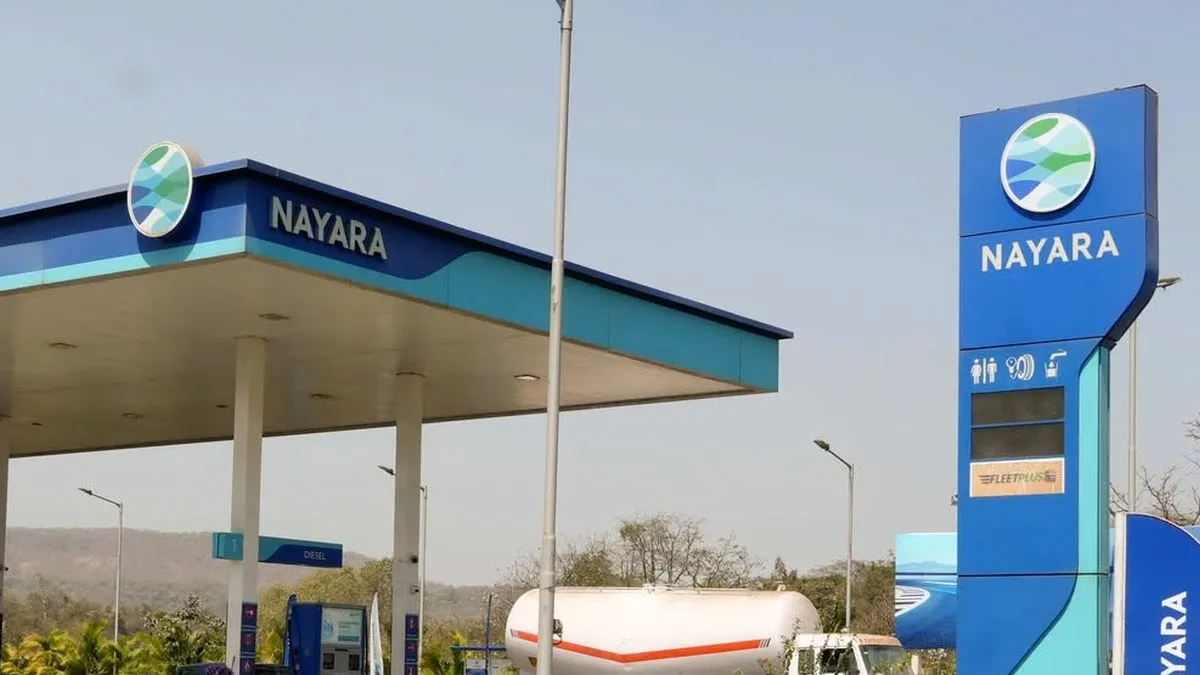
Nayara Energy Slashes Petrol by ₹5 and Diesel by ₹3 Across 7,000 Pumps as Global Crude Plummets to $73
NEW DELHI — Indian motorists utilizing private fueling networks received a major financial reprieve on Wednesday morning. Private fuel retail giant Nayara Energy announced a nationwide price cut, reducing petrol by ₹5 per litre and diesel by ₹3 per litre, effective July 1, 2026.
Add businessleague.in as a Preferred Source


Also Read | Google Gemini Nano Banana personalized image generation free
The structural rollback perfectly reverses the emergency premium hikes implemented back in March during the peak of the Iran War crisis. The relief is triggered directly by a sharp cooling in global energy indexes, with Brent crude futures sliding down to $73 per barrel as international supply anxieties and maritime shipping disruptions begin to fade.
Direct Impact on Consumer Portfolios
The localized price adjustments are already live across Nayara’s expansive footprint of nearly 7,000 retail outlets in India. For daily commuters and commercial transport operators, the downward revision yields substantial, immediate overhead savings.
Immediate Consumer Savings per 40-Litre Refill:
Petrol Vehicles:  Old Rate ──> Save ₹5.00/L ──> ₹200 Total Savings per Tank
Diesel Commercial: Old Rate ──> Save ₹3.00/L ──> ₹120 Total Savings per Tank
According to regional operators, final retail outlet rates will still show marginal discrepancies from district to district. These minor variances—typically hovering around 25 paise—are a result of internal freight logistics and fluctuating state-level Value Added Tax (VAT) structures.
Also Read | Google Gemini Nano Banana personalized image generation free
Regional Price Check at the Pumps
A localized assessment of pump stations on Wednesday morning reveals the updated retail numbers across major production hubs and states.
Station Retail Rates Matrix
State-Owned Retailers Maintain Status Quo
While private networks capitalized on dropping raw materials costs to adjust customer pricing, public sector undertakings (PSUs)—including Indian Oil Corporation (IOCL), Bharat Petroleum (BPCL), and Hindustan Petroleum (HPCL)—have withheld parallel retail reductions.
State-run entities operate under more rigid pricing models that balance long-term refinery inventory buffers, state policy imperatives, and fiscal cushioning strategies. In the national capital of Delhi, state-run pumps are maintaining their existing benchmarks of ₹102.12 for petrol and ₹95.20 for diesel.
Energy experts emphasize that if Brent crude consolidates below the mid-$70 baseline for a prolonged period, competitive pressures from private refiners like Nayara—which relies heavily on its massive 20-million-tonne-per-year production facility at Vadinar, Gujarat—could eventually force state OMCs to follow suit.
Also Read | Google Gemini Nano Banana personalized image generation free
FAQ
Will petrol and diesel prices drop at Indian Oil, HP, and Bharat Petroleum pumps as well?
As of July 1, 2026, state-run oil marketing companies have not announced any price cuts. While private companies like Nayara adjust rapidly to shifting international oil rates, state OMCs consider external factors like inventory carry-over costs and corporate policies before changing retail prices.
Why do fuel prices vary slightly between different fuel stations within the same state?
Even within a single state, base retail prices fluctuate slightly because of varying regional transportation costs. If a specific fuel pump is located farther away from the main supply refinery or oil distribution terminal, the localized logistics expenses add a small premium (usually around 25 paise) to the final price.
What caused the international crude oil drop that prompted this price cut?
Global retail prices dropped because Brent crude cooled down significantly to $73 per barrel. Geopolitical tensions in West Asia have eased, calming market anxieties regarding potential supply blockades along the critical Strait of Hormuz shipping corridor.
Also Read | Google Gemini Nano Banana personalized image generation free
Add businessleague.in as a Preferred Source

