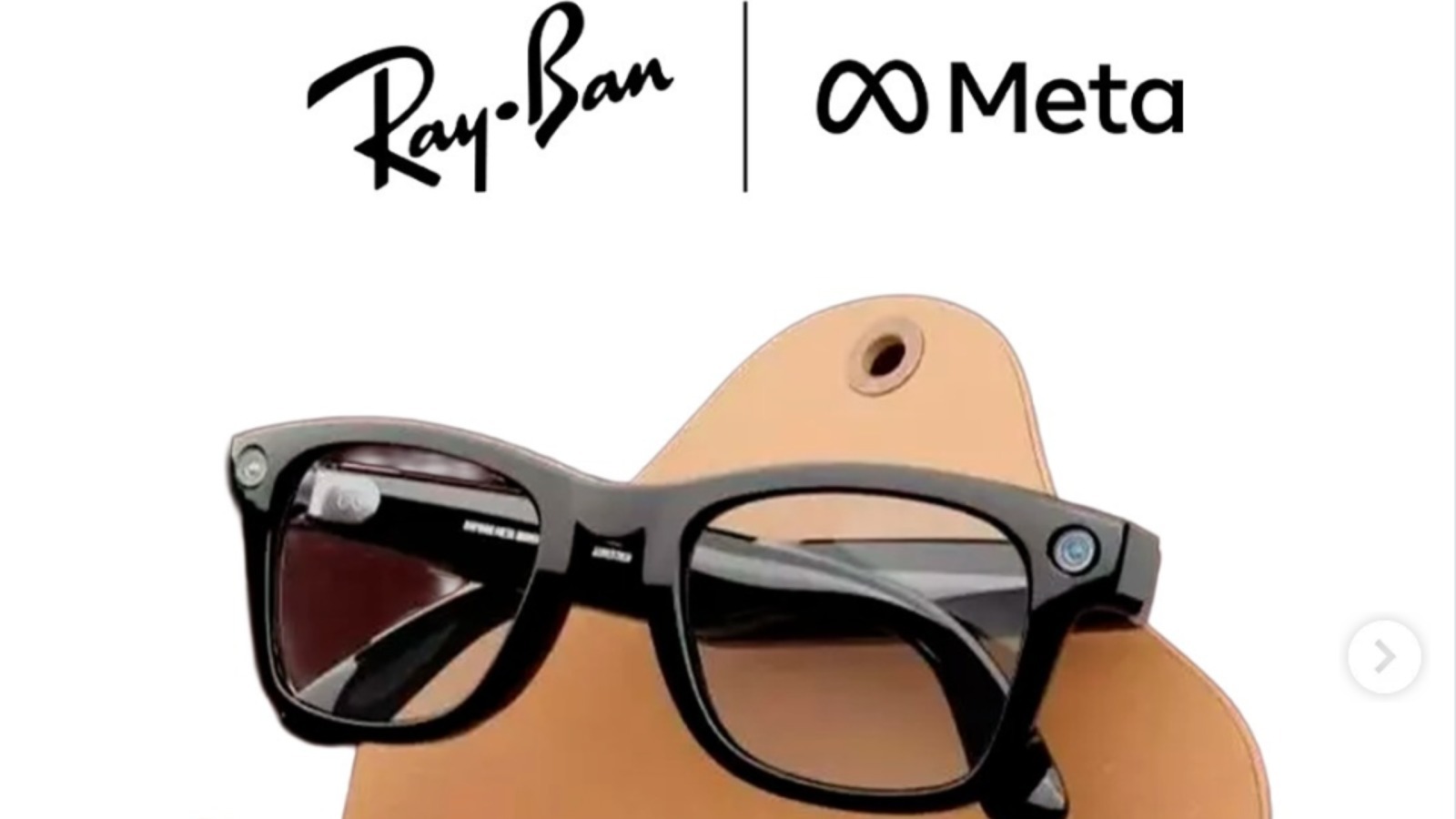
The “always-on” future of wearable computing has hit a significant ethical wall. On Monday, March 9, 2026, Meta finds itself embroiled in a fresh privacy crisis as reports emerge that human data annotators are watching first-person footage captured by the popular Ray-Ban Meta smart glasses.
Add businessleague.in as a Preferred Source


The investigation, spearheaded by Swedish outlets Svenska Dagbladet and Göteborgs-Posten, suggests that Meta’s promise of “user-controlled privacy” may be at odds with its AI training methods, which rely on thousands of offshore workers to label and categorize real-world imagery—including moments users likely thought were private.
Also Read |Tamil Nadu Voter List Purge: 97 Lakh Names Deleted in SIR Phase 1
What Contractors are Seeing: Intimate Data Exposure
Contractors working for the firm Sama in Kenya have come forward with disturbing accounts of the data they are tasked to “label.”
-
Involuntary Recording: Workers described seeing users in bathrooms, undressing, or leaving the glasses on bedside tables during intimate moments.
-
Financial Risk: Annotators reportedly viewed footage of bank cards and other sensitive documents.
-
Human Toll: Some contractors expressed feeling forced to watch “sex scenes” to meet their annotation quotas, fearing they would lose their jobs if they opted out.
The Lawsuit: “Designed for Privacy” vs. Reality
Represented by the Clarkson Law Firm, plaintiffs from New Jersey and California have filed a suit naming both Meta and EssilorLuxottica (Ray-Ban’s parent company).
-
False Advertising: The suit argues that Meta’s marketing—using phrases like “controlled by you”—misleads consumers into believing their data stays local or is purely automated.
-
The Privacy Light: Critics argue the integrated “recording light” on the frames is too easily obscured in bright sunlight or crowded spaces, failing its purpose as a bystander warning.
Also Read |Tamil Nadu Voter List Purge: 97 Lakh Names Deleted in SIR Phase 1
How Meta’s Data Pipeline Works
Meta uses a process called manual data labeling to help its AI understand the world.
-
User Consent: Meta states that footage is only sent for review if a user opts into “sharing media” to improve the AI.
-
Inconsistent Blurring: While Meta claims to blur faces before human review, the investigation found that this process is “inconsistent,” often leaving people identifiable.
Past Red Flags: Facial Recognition and Real-Time ID
This isn’t the first time the hardware has caused alarm. In late 2024, Harvard students demonstrated that by pairing these glasses with public databases, they could identify strangers and find their home addresses in real-time. Meta is also reportedly exploring a “Name Tag” feature to allow wearers to identify people instantly via the AI assistant.
Reality Check
Meta’s defense relies on the “fine print” of their terms of service. Still, most users do not read the extensive AI policies that allow for “manual (human) review.” Therefore, while Meta may be legally covered by “consent” buttons, the ethical gap between consumer expectation and the reality of a worker in Kenya watching your bedroom footage is vast. In fact, as smart glasses move toward replacing smartphones, the “always-recording” nature of these devices makes “complete privacy” almost technically impossible.
The Loopholes
Meta says media stays on the device “unless users choose to share.” In fact, this is a “Feature Loophole”—many of the glasses’ best AI features (like “look and tell me what this is”) require the footage to be sent to Meta’s servers to function. Therefore, users are often forced to choose between the device’s functionality and their absolute privacy. Still, the “Offshore Loophole” remains; by using contractors in Nairobi, Meta avoids the stricter labor and privacy oversight present in the U.S. or EU, making it harder for users to track who exactly is watching their feed.
Also Read |Tamil Nadu Voter List Purge: 97 Lakh Names Deleted in SIR Phase 1
What This Means for You
If you own a pair of Ray-Ban Meta glasses, review your AI settings immediately. First, realize that any time you ask the AI to “look” at something, that image could potentially be viewed by a human reviewer. Then, if you value absolute privacy, understand that the bedside table is the worst place for these glasses; you should treat them like a live camera that is always “tappable” by a third party.
Finally, understand that bystander privacy is also at risk. You should be mindful that people around you may not notice the small recording LED. Before you use the “multimodal AI” features, check your Settings > Privacy > Data Sharing menu to see exactly what you have opted into.
What’s Next
The UK Information Commissioner’s Office (ICO) is expected to release a preliminary report on its investigation by next month. Then, look for a response from the Clarkson Law Firm regarding a potential injunction to stop human review until better blurring tech is implemented. Finally, expect Meta to announce “Enhanced Privacy Controls” at its next developer event, likely as a move to settle the growing PR firestorm.
Also Read |Tamil Nadu Voter List Purge: 97 Lakh Names Deleted in SIR Phase 1
End….
Add businessleague.in as a Preferred Source
🙏 Support Independent Journalism
We keep news free for you.
Most readers support with ₹500 ❤️
or scan QR below

Voluntary contribution. No tax benefits.
DISCLAIMER
We have taken all measures to ensure that the information provided in this article and on our social media platform is credible, verified and sourced from other Big media Houses. For any feedback or complaint, reach out to us at businessleaguein@gmail.com