
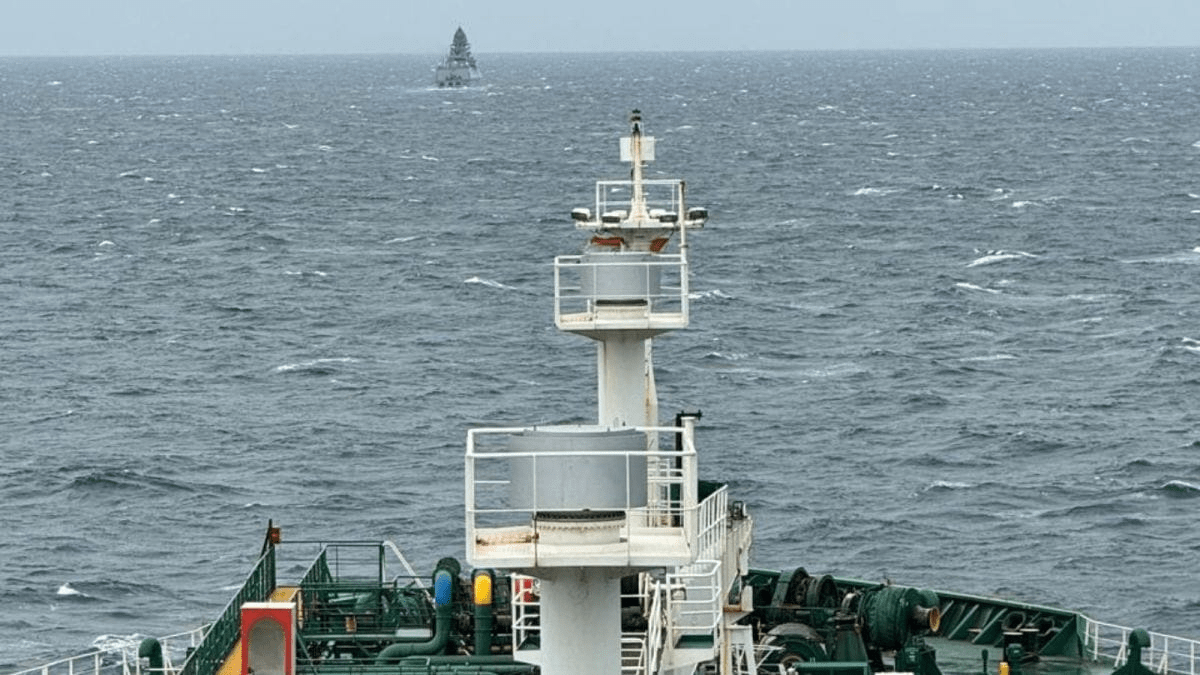
Now a significant breakthrough has arrived for India’s energy security as the first of several stranded vessels completes its perilous journey. On Thursday evening, March 26, 2026, the LPG tanker Jag Vasant successfully anchored at Vadinar port in Gujarat, carrying 47,600 metric tonnes of liquefied petroleum gas. Therefore, after being trapped for 23 days in the volatile Strait of Hormuz, the vessel’s arrival provides much-needed relief to a nation grappling with fuel shortage rumors. Currently, while the Middle East war has virtually shuttered the world’s most critical oil artery, the Indian government is successfully navigating a “friendly nation” reprieve to keep domestic kitchens running.
Add businessleague.in as a Preferred Source


Also Read |Tamil Nadu Voter List Purge: 97 Lakh Names Deleted in SIR Phase 1
At a Glance: India’s LPG Supply Update
| Vessel Name | Status | Cargo Capacity |
| Jag Vasant | Docked (Vadinar) | 47,600 Metric Tonnes |
| Pine Gas | En Route (Mangalore) | 45,000 Metric Tonnes |
| MT Apollo Ocean | Docked (Mangalore) | 16,000 Metric Tonnes |
| Combined Stock | Total Arrival | 1,08,600+ Metric Tonnes |
In This Article:
-
The 23-Day Standoff: How Jag Vasant Escaped the Blockade
-
Assessing the Stock: Does India Have Enough Cooking Gas?
-
The Hormuz Bottleneck: 20 Indian Vessels Still Stranded
-
Government Strategy: Debunking the “Misinformation Campaign”
-
Frequently Asked Questions (FAQs)
The 23-Day Standoff: How Jag Vasant Escaped the Blockade
Now the arrival of Jag Vasant is being hailed as a tactical victory for Indian maritime diplomacy. Because Iran has targeted most commercial shipping in the Gulf for nearly a month, the passage of an Indian-flagged tanker is a rare occurrence.
First, the vessel remained stranded in the Strait of Hormuz for over three weeks as tensions between the US and Iran escalated. Next, following high-level talks between PM Modi and regional leaders, the tanker was permitted to resume its journey to Gujarat. Thus, the 47,600 metric tonnes of LPG on board will now be integrated into the national grid. Currently, all 60 seafarers across the arriving fleet are reported safe, marking a successful extraction from a high-risk combat zone.
Also Read |Tamil Nadu Voter List Purge: 97 Lakh Names Deleted in SIR Phase 1
Assessing the Stock: Does India Have Enough Cooking Gas?
Now the central government is using the arrival of these tankers to calm a nervous public. Because India imports 60% of its LPG requirements—with 90% typically passing through Hormuz—any delay in the Strait is cause for concern.
First, the combined arrival of Jag Vasant and Pine Gas adds a stock equivalent to roughly one full day of national cooking gas consumption. Next, the Ministry of Petroleum clarified that while the “prevailing geopolitical situation” is impacting the supply chain, there are no actual disruptions at distributor outlets. Thus, the current reserves remain robust. Currently, India maintains a 30-day supply cover for LPG and a 60-day cover for crude oil, ensuring that short-term volatility does not lead to empty cylinders.
The Hormuz Bottleneck: 20 Indian Vessels Still Stranded
Now, while the arrival of Jag Vasant is a positive sign, the maritime crisis is far from over. Because the conflict remains in a state of flux, the Ministry of Shipping has confirmed that 20 Indian-flagged vessels are still caught in the crossfire.
First, among the stranded fleet are five large LPG tankers collectively carrying 2,30,000 metric tonnes of cargo. Next, at least one more tanker is scheduled to be loaded in the next 48 hours before attempting the journey to India. Thus, the Ministry is working on a staggered “corridor” approach to bring these ships home safely. So, while the immediate panic is being managed, the long-term flow of energy depends entirely on the Strait remaining “open and accessible.”
Also Read |Tamil Nadu Voter List Purge: 97 Lakh Names Deleted in SIR Phase 1
Government Strategy: Debunking the “Misinformation Campaign”
Now the Ministry of Petroleum is taking a hard line against social media speculation. Because rumors of a nationwide fuel lockdown have led to panic buying, the Centre has labeled these reports as “deliberate misinformation.”
First, officials emphasized that “COVID-like preparedness” refers to administrative logistics, not a restriction on public movement. Next, the arrival of Shivalik, Nanda Devi, and now Jag Vasant proves that the supply chain is operational, albeit slower than usual. Thus, citizens are urged to rely strictly on official sources to avoid triggering artificial shortages. Currently, the goal is to prevent a surge in demand that could overwhelm local distributors before the next fleet of tankers arrives.
Frequently Asked Questions (FAQs)
What is the significance of the Jag Vasant tanker docking in Gujarat?
It is the first major LPG tanker to arrive after being stranded for 23 days in the Strait of Hormuz, signaling that India is successfully navigating the regional blockade.
How much LPG did the Jag Vasant bring?
The vessel carried 47,600 metric tonnes, which is roughly half a day’s worth of India’s total cooking gas consumption.
Are there still Indian ships stuck in the Middle East?
Yes. Approximately 20 Indian-flagged vessels, including five large LPG tankers, remain in the Strait of Hormuz due to the ongoing US-Iran conflict.
How many days of LPG stock does India currently have?
The government has officially stated that India has one full month (30 days) of LPG supply and 60 days of oil stock cover.
Why is there a delay in LPG deliveries at some places?
While there is no shortage of bulk stock, the geopolitical situation has slowed down the arrival of ships, leading to localized delivery delays and panic-driven spikes in demand.
Also Read |Tamil Nadu Voter List Purge: 97 Lakh Names Deleted in SIR Phase 1
End….
Add businessleague.in as a Preferred Source
🙏 Support Independent Journalism
We keep news free for you.
Most readers support with ₹500 ❤️
or scan QR below

Voluntary contribution. No tax benefits.
DISCLAIMER
We have taken all measures to ensure that the information provided in this article and on our social media platform is credible, verified and sourced from other Big media Houses. For any feedback or complaint, reach out to us at businessleaguein@gmail.com