Now the domestic kitchen energy infrastructure of India is undergoing a massive regulatory overhaul. The ongoing geopolitical disruptions rolling across international fuel lanes have forced deep structural interventions from state planners. Therefore, the immediate execution of the updated LPG gas cylinder rules from June 2026 introduces strict compliance thresholds across every single city.
Add businessleague.in as a Preferred Source


Meanwhile, this central policy refresh aims to clean up downstream allocation networks and fast-track cleaner pipeline adoptions. State-run oil marketing enterprises are deploying rigid technical verification scripts right at your doorstep. Still, dodging surprise connection cancellations requires studying these fresh ministry directives carefully before your next refueling cycle.
An aggressive enforcement blueprint is altering traditional cooking gas customs across the subcontinent.
Also Read | Viral Trump Lookalike Buffalo Rescue: Saved From Eid Sacrifice
Unpacking the Massive Commercial Tariff Escalation
Now commercial hospitality operations are navigating a fresh, highly challenging wave of input cost revisions. The persistence of cross-border maritime transport bottlenecks continues to put heavy pressure on global energy pricing indexes. Therefore, the reality of the updated LPG gas cylinder rules from June 2026 hits downstream business margins instantly with an immediate tariff hike.
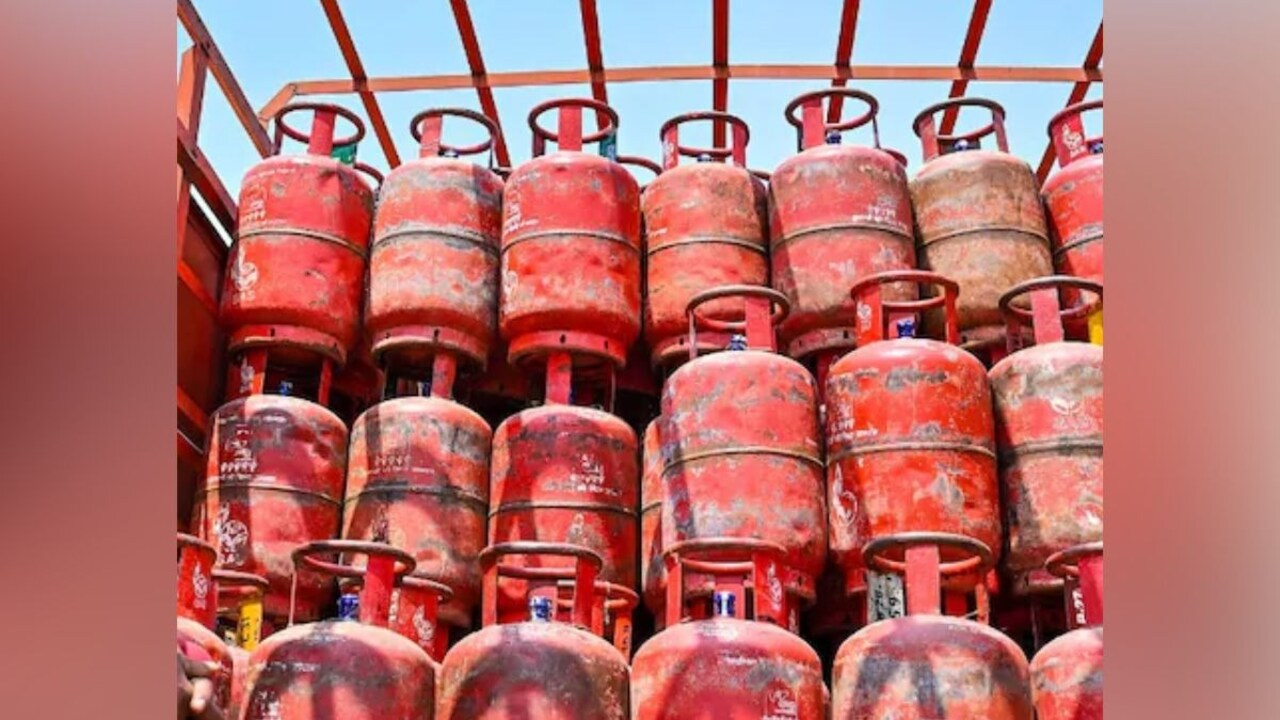
So the retail invoice for a standard 19 kg commercial cylinder scales up by exactly ₹42 in the national capital territory. Meanwhile, this fast upward revision pushes the final commercial cost marker to a historic baseline of ₹3,113.50 per unit. Thus, small local restaurant owners face another tough operating expense adjustment this season.
“We must adjust our kitchen inventory costs to balance these shipping margins,” a Lucknow catering vendor noted early Monday. Therefore, institutional buyers are optimizing their fuel consumption curves to shield their thin profits.
Preserving the Domestic Cushion
First, consider the highly reassuring news regarding everyday household kitchen expenses. The union ministry has chosen to keep retail domestic 14.2 kg cylinder prices completely frozen for another month. Therefore, ordinary home budgets escape direct financial shocks while international supply networks settle down. Period.
Next, look at the underlying triggers forcing these commercial-tier price jumps. Continuous tracking logs show that central processing refineries are paying elevated procurement bills to buy raw crude inputs. Thus, by shifting the price burden strictly onto commercial accounts, the state shields everyday citizens from retail inflation.
Finally, local distribution networks are applying these updated ledger metrics across billing terminals starting this morning. No commercial operator can secure bulk quantities at old pricing configurations. Therefore, checking your supplier invoices becomes an essential daily routine to prevent accounting mismatches.
The Wholesale Reaction
So bakeries and street food nodes are exploring alternative energy configurations like commercial induction plates to bypass expensive gas connections. Squeezing manufacturing costs helps them maintain standard pricing points for customers. Still, traditional flame cooking remains necessary for high-volume corporate kitchens.
Now let’s examine the aggressive piped natural gas regulations tracking urban properties.
The Strict Thirty-Day Surrender Clock for Piped Gas Users
Now let’s clear up a massive legal modification hitting urban property owners. A common mistake among many transition households is assuming they can keep their old steel cylinders as a convenient backup asset indefinitely. Wrong.
Instead, the newly modified Liquefied Petroleum Gas Amendment Order enforces zero-tolerance boundaries regarding dual-fuel holdings. If your residential block secures a functional Piped Natural Gas line, you must submit a formal termination application within 30 days. Therefore, the new LPG gas cylinder rules from June 2026 systematically strip away your ability to hoard subsidised stock.
Meanwhile, this administrative timeline starts clicking the exact hour your piped meter records its initial validation test.
The Anti-Hoarding Mechanism
First, the Essential Commodities Act framework provides immense legal power to enforcement squads running neighborhood checks. Siders found holding dual active utility lines will face rapid, unprompted supply cut-offs at the main border meters. Therefore, completing your surrender paperwork early protects your home from sudden cooking blackouts.
Next, look at the direct economic logic guiding this strict infrastructure push. Subsidised cylinders are explicitly intended for low-income areas completely devoid of piped line architectures. Thus, allowing wealthy urban properties to hoard unused cylinders traps vital public resources away from remote interior villages.
Finally, the amendment blocks government oil firms from processing subsequent refill requests for tagged double-line properties. The automated sorting software checks your address matching parameters across databases instantly before printing distribution receipts. Therefore, the anti-hoarding net is completely non-negotiable this cycle. Period.
Are surrender dates flexible? No. Is the system automated? Organized perfectly via cloud links.
Securing Future Flexibility via the Connection Transfer Voucher
Now migrating away from traditional steel cylinders does not mean you surrender your long-term energy deposits forever. The petroleum ministry has designed a highly sophisticated structural safeguard to protect the financial investments of mobile citizens. Therefore, checking the details of the fresh transfer voucher system provides excellent peace of mind to tenant families.
Protecting the Transferable Worker
First, when you submit your mandatory cylinder surrender file, the local distributor issues a unique, digital connection transfer voucher. This paper asset documents your original security deposits and allocation rights securely within the centralized cloud registry. Therefore, your membership profile stays active across state lines long-term.
Next, this provision delivers immense logistical convenience to transferable corporate professionals, migrant worker families, and university students. If your household shifts into a secondary city zone completely lacking piped line paths, you can redeem your voucher instantly. Thus, a fresh physical cylinder hits your kitchen within 24 hours.
Then, the digital document carries zero expiry dates, letting you store your asset status safely for years. The tracking servers preserve your profile data perfectly across all major public oil brands. Therefore, the system balances rigid civic compliance with excellent personal flexibility.
Also Read | Viral Trump Lookalike Buffalo Rescue: Saved From Eid Sacrifice
The Formal Enforcement of the One-Household Rule
Now the cleaning of the domestic consumer registry moves way past simple dual-line checks. The updated Gas Control Order establishes a strict national standard: one single household is permitted one solitary connection block exclusively. Therefore, family properties holding multiple duplicate customer booklets face immediate enforcement penalties this summer.
Dismantling the Private Stash Loops
First, the database system uses advanced matching routines to scan all active connection listings for identical structural addresses. If a single flat layout maps to multiple distinct consumer numbers under separate names, the system flags the profile automatically. Therefore, duplicate accounts face quick, automated freezing loops.
Next, look at the strict penalties attached to non-surrender actions. If an address remains unaligned after a fixed three-month notification window, local field distributors will pause all future gas deliveries to that door. Thus, the family faces complete loss of utility access until they clean their accounts.
Then, this unified rule applies equally to all public and private oil marketing agencies across states. It blocks wealthier consumers from building deep private reserves during rumored global fuel scarcity waves. Therefore, the equal distribution matrix guarantees that supply targets stay perfectly uniform for everyone.
How Extended Refill Lock-In Days Squeeze Heavy Users
Now let’s examine the technical booking gap adjustments designed to stabilize national fuel inventory columns. The central board has implemented a major structural expansion to the minimum mandatory waiting window between consecutive cylinder deliveries. Therefore, modifying your domestic consumption habits is an absolute necessity to prevent mid-month shortages.
The Urban and Rural Gap Metrics
First, for metropolitan and urban consumers, the minimal permissible booking lock-in gap has expanded out to a flat 25 days. For rural interior households, this waiting loop scales up significantly to hit a strict 45-day threshold. Therefore, you cannot simply place a fresh delivery order the moment your current cylinder hits the half-way mark.
So if we map the consumption survival strategy:
-
Track your weekly blue flame hours precisely using high-accuracy pressure valve caps
-
Transition heavy water-boiling tasks over to electronic kitchen kettle lines permanently
-
Verify your local dealer’s actual lock-in countdown indicators before planning bulk meals
The parameters leave zero openings for casual, unverified emergency booking triggers.
Why the Buffer Gaps Matter
Next, look at why oil marketing entities are enforcing these rigid timing blocks. Managing the national supply chain requires preventing nervous consumers from ordering excess fuel boxes too early. Thus, the lock-in periods ensure that field delivery trucks can carry fuel uniformly to properties that genuinely need a refill today.
So this systematic restriction forces heavy joint-family properties to adopt strict personal fuel conservation habits. If a home exhausts its fuel reserves on day 15, the system blocks them from ordering a replacement until the full 25-day clock concludes. Therefore, efficiency remains your only safe path.
Executing Mandatory Biometric Electronic Identity Verification
Now maintaining your active state cooking fuel subsidy requires finishing a critical identity confirmation task right away. The Ministry of Petroleum has made biometric verification an absolute condition for all active domestic accounts. Therefore, completing this verification step remains your primary defense against sudden account suspensions.
The Zero-Fraud Subsidy Standard
First, every domestic account holder must link their verified fingerprints or iris scans directly to their central fuel portal profile. This mechanical checking process matches your live body traits against official state identity registers. Therefore, fake paper accounts built by corrupt distributors are systematically wiped out from the national system.
Next, look at the strict rules targeting beneficiaries of the Pradhan Mantri Ujjwala Yojana scheme. To preserve your special low-cost fuel rates, you must complete a fresh biometric verification check at the start of every single financial year. Thus, the state confirms that the real target family is receiving the actual benefit.
Then, missing the verification deadline triggers an automatic suspension of all incoming cash subsidy transfers to your bank account. The system re-classifies your folder as an inactive profile, blocking future low-cost deliveries instantly. Therefore, visiting your local distributor box with your identity credentials is an urgent priority.
Also Read | Viral Trump Lookalike Buffalo Rescue: Saved From Eid Sacrifice
Why Direct Delivery Code Verification Blocks Delivery Fraud
Now let’s look closer at the secure delivery steps protecting your actual fuel cylinder drop-off. The oil marketing boards have rolled out a mandatory, smartphone-based verification protocol to stop local delivery diversion scams. Therefore, you must keep your registered mobile device handy whenever the delivery agent arrives at your door.
The One-Time Passcode Corridor
First, the moment your replacement cylinder leaves the local distribution hub, the system transmits a unique numeric security code to your phone. The delivery person is strictly prohibited from surrendering the physical cylinder until they type that exact code into their field terminal. Therefore, black-market diversions are blocked completely.
Next, look at how this code loop protects your wallet. Corrupt delivery boys can no longer secretly divert your subsidised cylinder to commercial tea shops for a high private profit. Thus, every single cylinder tracking line terminates exactly at the front door of the real registered consumer.
Then, if your registered mobile number has changed, you must update your contact metrics inside the online portal right away. If the delivery agent’s field app records an unconfirmed code drop, the terminal blocks the checkout action automatically. Therefore, keeping your electronic contact paths updated ensures smooth service.
Bookending the High-Velocity Clean Energy Expansion Drives
Now let’s conclude by analyzing the long-term technological roadmap defined by the national energy boards. While manual safety checks provide short-term order, the ultimate future relies on shifting the country entirely over to piped networks. Therefore, the regulatory body is executing a high-intensity infrastructure push called National PNG Drive 2.0.
The June 30 Final Closing Line
First, the Petroleum and Natural Gas Regulatory Board has extended the active timeline of this national clean energy drive until June 30, 2026. This extension gives city gas distribution firms a clean final window to lay down fresh pipeline webs across urban neighborhoods. Therefore, network expansion metrics are peaking this month.
Next, the government intends to transition entire cities into complete “Cylinder-Free Zones” over the subsequent two quarters. Shifting millions of homes to piped lines removes thousands of heavy delivery trucks from congested city streets. Thus, urban carbon footprints drop dramatically while consumer safety hits 100 percent.
Then, consumers must prepare for tight regulatory tracking lines throughout this summer transition period. Embracing the shift toward modern piped natural gas lines remains the smartest path to safeguard your home’s energy stability. Therefore, cooperating with local pipeline installation crews is a highly strategic choice today. End of story.
Frequently Asked Questions
Now let’s resolve immediate questions from consumers regarding the major changes launched under the LPG gas cylinder rules from June 2026. These answers explain rates, caps, and surrender rules clearly. Therefore, read them carefully.
What are the primary changes introduced under the LPG gas cylinder rules from June 2026? The updated rules introduce an immediate ₹42 price hike for commercial cylinders in Delhi, mandatory 30-day surrender windows for piped natural gas (PNG) users, strict one-connection caps per family, and expanded refill booking lock-in gaps across regions.
How much do commercial and domestic cylinders cost under the new June tariff sheets? In Delhi, a 19 kg commercial cylinder now costs precisely ₹3,113.50 following a ₹42 price jump effective June 1. Crucially, the retail price for standard 14.2 kg domestic household cylinders remains completely unchanged and frozen for another month to shield families.
What must a consumer do after securing a fresh piped natural gas (PNG) connection? Under the revised Liquefied Petroleum Gas Supply Amendment Order, any consumer who secures a functional PNG line must submit an official termination file to surrender their domestic LPG cylinder within 30 days. Keeping dual active fuel supplies is strictly illegal.
Can a household retain multiple domestic LPG cylinder books under different names? No. The updated Gas Control Order completely prohibits holding multiple LPG connections within a single household address. All duplicate accounts face automated freezes, and families must surrender their extra booklets to maintain service continuity.
What are the fresh booking lock-in waiting periods for urban and rural areas? To optimize national fuel inventory columns, the minimum mandatory waiting gap between consecutive domestic cylinder refills has expanded to a flat 25 days for urban metropolitan properties and a strict 45 days for all rural interior households.
What happens if a consumer fails to finish their biometric electronic e-KYC verification? Completing biometric verification using fingerprints or iris scans is mandatory for all domestic lines to wipe out fake accounts. Failure to clear this identity validation loop will trigger an automatic suspension of incoming cash subsidies and freeze future refill bookings.
How does the mandatory delivery OTP system protect consumers from delivery fraud? Whenever a replacement cylinder arrives, the customer receives a unique numeric security code on their registered phone. The delivery driver cannot hand over the physical cylinder until they type this exact code into their app, blocking illegal black-market fuel diversions.
Also Read | Viral Trump Lookalike Buffalo Rescue: Saved From Eid Sacrifice
End…
Add businessleague.in as a Preferred Source
🙏 Support Independent Journalism
We keep news free for you.
Most readers support with ₹500 ❤️
or scan QR below

Voluntary contribution. No tax benefits.
DISCLAIMER
We have taken all measures to ensure that the information provided in this article and on our social media platform is credible, verified and sourced from other Big media Houses. For any feedback or complaint, reach out to us at businessleaguein@gmail.com