Now the Centre is considering a massive Parliament expansion. The proposed plan raises Lok Sabha strength to 816 members. Therefore, every state will see a significant jump in representation. This move also fast-tracks the Women’s Reservation Act, 2023. Currently, 273 seats are earmarked for women candidates. Meanwhile, the new configuration should take effect by the 2029 polls.
Add businessleague.in as a Preferred Source


Also Read |Tamil Nadu Voter List Purge: 97 Lakh Names Deleted in SIR Phase 1
At a Glance:
-
Total Strength: Moving from 543 to 816 MPs.
-
Women’s Quota: 273 seats (one-third of the total).
-
UP Power: Jumps from 80 to 120 seats.
-
Basis: Pegged to the 2011 Census data.
-
Timeline: Implementation target set for 2029 general elections.
In This Article:
-
The 816-Seat Expansion Plan
-
Delinking Women’s Quota from Delimitation
-
Uttar Pradesh: The 120-Seat Powerhouse
-
Big Gains for Maharashtra, Bengal, and Bihar
-
Impact on Smaller States and UTs
-
The South India Representation Debate
-
Frequently Asked Questions
Also Read |Tamil Nadu Voter List Purge: 97 Lakh Names Deleted in SIR Phase 1
The 816-Seat Expansion Plan
Now the structure of Indian democracy is evolving. Home Minister Amit Shah recently met with Opposition parties. Therefore, a new proposal to expand the Lok Sabha is active. The government wants to raise the count to 816 MPs.
So why this specific number? The goal is to maintain current state proportions. Thus, no state loses its relative influence in Parliament. Meanwhile, the move helps accommodate the mandatory women’s quota.
“The reconfigured Lok Sabha would start in 2029,” sources noted. Therefore, the current 543-member limit is officially reaching its end.
Delinking Women’s Quota from Delimitation
Now here is the most significant strategic shift. The 2023 Act originally required a fresh Census first. Therefore, the quota seemed years away from reality.
But the Centre is exploring a “delink” strategy. So they might amend the Act soon. Thus, the 33% reservation could start without waiting for a new Census. Instead, officials will likely use 2011 Census figures.
“We want to implement reservation separately,” Shah reportedly suggested. Meanwhile, the total seats must rise to avoid displacing sitting male MPs.
Also Read |Tamil Nadu Voter List Purge: 97 Lakh Names Deleted in SIR Phase 1
Uttar Pradesh: The 120-Seat Powerhouse
Now Uttar Pradesh remains the kingmaker of Indian politics. Currently, the state holds 80 seats or 15% of the House. Therefore, any expansion will amplify UP’s massive influence.
First, the math is simple. If the House hits 816, UP will get 120 seats. Next, 40 of these seats will be reserved for women. Thus, UP alone will send more women to Parliament than some whole nations.
So the political stakes in Lucknow will skyrocket. Meanwhile, parties must find 40 female candidates for this new battlefield.
Big Gains for Maharashtra, Bengal, and Bihar
Now other major states follow a similar growth curve. The expansion maintains existing ratios religiously. Therefore, Maharashtra will jump from 48 to 72 seats.
First, West Bengal moves from 42 to 63 seats. Next, Bihar will rise from 40 to 60 seats. Thus, the Hindi heartland and the East maintain their dominance.
Also, Madhya Pradesh will see 44 seats in total. So 15 of those will be for women. Meanwhile, these states must redraw boundaries based on 2011 data.
Impact on Smaller States and UTs
Now even the smallest regions will gain a voice. Currently, many North Eastern states have only one or two MPs. Therefore, their influence in national policy is limited.
First, Goa, Manipur, and Meghalaya could hit 3 seats each. Next, Mizoram and Sikkim will likely double to 2 seats. Thus, every region gets a seat at the expanded table.
Also, Delhi will rise from 7 to 11 Lok Sabha seats. So the national capital gets 4 reserved seats for women. Meanwhile, Jammu and Kashmir will reach 8 total seats.
Also Read |Tamil Nadu Voter List Purge: 97 Lakh Names Deleted in SIR Phase 1
The South India Representation Debate
Now this expansion aims to quiet southern concerns. States like Tamil Nadu have long feared delimitation. Therefore, they worry that population control will lead to fewer seats.
But this plan keeps proportions identical. So Tamil Nadu will rise from 39 to 59 seats. Thus, the DMK’s charge of underrepresentation is directly addressed.
“The current proportions will be maintained,” officials confirmed. Therefore, the South does not lose power to the North in this specific model. Still, the debate over 2026 delimitation remains a hot topic.
Frequently Asked Questions
Will the Lok Sabha seats change before 2029? No. The current 543-seat configuration stays for the remainder of this term.
How many seats will be reserved for women? In an 816-member House, 273 seats (one-third) will go to women.
Why use the 2011 Census instead of 2021? The 2021 Census was delayed, and the 2011 data offers a stable baseline for quick implementation.
Which state gets the most seats? Uttar Pradesh remains at the top with a projected 120 seats.
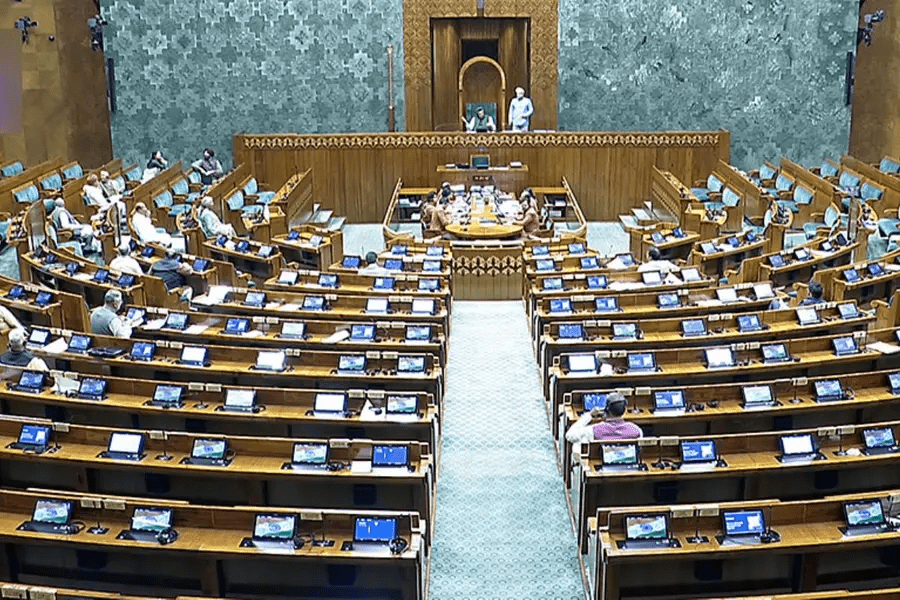
Does this mean the New Parliament building is too small? No. The new Lok Sabha chamber was designed to seat up to 888 members.
Also Read |Tamil Nadu Voter List Purge: 97 Lakh Names Deleted in SIR Phase 1
End….
Add businessleague.in as a Preferred Source
🙏 Support Independent Journalism
We keep news free for you.
Most readers support with ₹500 ❤️
or scan QR below

Voluntary contribution. No tax benefits.
DISCLAIMER
We have taken all measures to ensure that the information provided in this article and on our social media platform is credible, verified and sourced from other Big media Houses. For any feedback or complaint, reach out to us at businessleaguein@gmail.com