


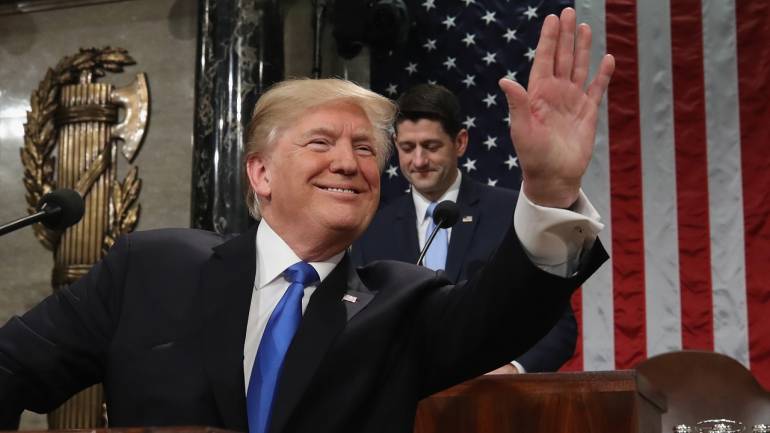
Speaking from the NATO Summit, the US President dismissed ongoing diplomatic talks as a waste of time, hours after major military exchanges rattled the Strait of Hormuz and neighboring Gulf nations.
ANKARA, Turkey — US President Donald Trump has declared that the interim memorandum of understanding (MoU) and ceasefire with Iran is effectively “over.” Speaking on the sidelines of a two-day NATO summit in Ankara, Trump cast severe doubt on the future of diplomatic negotiations, stating that while US representatives are permitted to continue dialogue, he believes they are “wasting their time.”
Add businessleague.in as a Preferred Source


The President’s sharp rhetoric follows an intense multi-front military escalation in West Asia. It marks the most serious breakdown in relations since an initial April ceasefire briefly halted active warfare.
Also Read | Baruipur Rape-Murder Case: Main Accused Prabash Mondal Shot Dead in Police Encounter
1. Timeline of the Rapid Escalation
The delicate regional truce unraveled over a 48-hour window of heavy military retaliation:
Also Read | Baruipur Rape-Murder Case: Main Accused Prabash Mondal Shot Dead in Police Encounter
2. Core Drivers of the Ceasefire Collapse
The escalation occurred during what was meant to be a period of lower tensions: a multi-day funeral for Iran’s former Supreme Leader Ayatollah Ali Khamenei, who was killed in the opening moments of the war on February 28. Instead, the conflict has entered a dangerous new phase driven by three decisive actions:
Conflict Escalation Loop:
⚡ Tanker Attacks ➔ 💥 Massive US Port Strikes ➔ 🛑 US Oil License Revocation ➔ 🚀 Iranian Missile Strikes (Bahrain/Kuwait)
-
Expanded US Air Campaign: Military officials confirmed that Tuesday’s air campaign against southern Iranian military targets was four to five times larger in scope and explosive power than operations conducted just ten days prior.
-
Economic Warfare: Washington backed up its military action by revoking the specific legal licenses that had allowed Iran to sell oil internationally under the interim framework.
-
Direct Theater Expansion: By targeting Bahrain and Kuwait, Iran has directly involved neighboring Gulf nations, threatening to pull the broader region back into a full-scale war.
Also Read | Baruipur Rape-Murder Case: Main Accused Prabash Mondal Shot Dead in Police Encounter
3. Direct Statements from Both Fronts
The diplomatic language between Washington and Tehran has completely broken down into mutual hostility:
President Donald Trump: “For me, I think it’s over. I don’t want to deal with them anymore. It’s just a waste of time dealing with them. They’re scum… They’re vicious, violent people. And if they had a nuclear weapon, they’d use it.”
On the other side, Iranian state media reported heavy explosions across southern hubs, including Bandar Mahshahr, where a Revolutionary Guard member was killed. Iranian leadership warned they are prepared to deliver a crushing response to what they labeled a blatant act of aggression.
Iranian Grievance Matrix:
❌ US Violations Claimed: Strait border adjustments • Persistent airstrikes • Oil sanctions reinstatement • Regional updates
On X, Iran’s Parliament Speaker and chief negotiator, Mohammad Bagher Ghalibaf, condemned the US actions, stating, “The era of bullying and extortion is over. It leads nowhere. We don’t fold.” The Iranian military added that they will not tolerate outside interference in the Strait of Hormuz, asserting that the only safe passage through the waterway is the route designated by Iran.
The sudden shift has drawn sharp criticism from neighboring countries. Anwar Gargash, a senior diplomat in the United Arab Emirates (UAE), stated that Iran’s missile strikes on Bahrain and Kuwait are a clear indicator that Tehran remains incapable of committing to de-escalation or turning the page on the war.
Also Read | Baruipur Rape-Murder Case: Main Accused Prabash Mondal Shot Dead in Police Encounter
Add businessleague.in as a Preferred Source

