


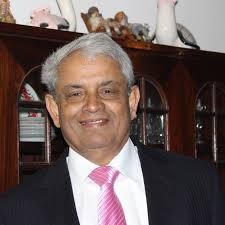
After days of absolute chaos, Vikram Singh Mehta, the chairman of InterGlobe Aviation (IndiGo’s parent company), finally surfaced with a long, almost eight-minute apology video. That happened. And in it, he repeatedly insisted the airline was “sorry” for the thousands of cancelled flights, airport bedlam, and passenger misery.
Add businessleague.in as a Preferred Source


Also Read | School Holidays: Winter Break Declared for Students in J&K, Rajasthan
Denials and The “Perfect Storm”
Mehta spent a significant portion of the video pushing back against the heavy accusations circling the airline:
-
Denied: “We didn’t engineer the operational collapse.”
-
Denied: “We didn’t seek to manipulate the government.”
-
Denied: “We didn’t compromise safety.”
-
Denied: “The board was not sideline[d].”
He declared all those claims “incorrect.” The thing is, he blamed the crisis on a “perfect storm” of glitches, congestion, winter schedules, weather snags, and the transition to the new, stricter Flight Duty Time Limit (FDTL) crew-rest rules. He said, “This is not an excuse. This is simply the truth.”
The Real Root Cause: Planning Shortfalls
The core issue, according to analysts, is that IndiGo’s business model—which relies on high aircraft utilization and tight crew scheduling—was exposed as dangerously thin once the stricter FDTL rules took effect on November 1st.
Also Read | School Holidays: Winter Break Declared for Students in J&K, Rajasthan
-
The Lead-up: IndiGo had a nearly two-year window to prepare for the longer rest norms.
-
The Failure: Analysts and critics allege the airline did not hire enough pilots, leading to an immediate pilot shortage once the new rules restricted flying hours and increased rest periods. This lack of available crew is what triggered the massive cancellations starting December 3rd.
Regulatory Scrutiny and The DGCA Exemptions
Critics are alleging the airline was betting regulators would bend the rules. And here’s the kicker: they did.
-
The regulator (DGCA) granted IndiGo temporary exemptions from key parts of the new rest rules until February. This included rolling back the definition of “night” and allowing more night landings.
-
The board is now bringing in external technical experts to work with the management and “identify the root causes and ensure corrective action.”
Mehta confirmed the board has been “closely involved for months,” setting up a crisis management group. But notably, co-founder and managing director Rahul Bhatia has still made no public comment himself.
The airline has now returned to near-normal operations and is reconnecting its 138 destinations. But the chairman was frank: the crisis left a “stain” on the company’s reputation. “The company has erred. There is no denying this. It has now to build back your trust… It will be a journey.” It’s an ongoing, uphill effort to win back passenger faith.
Also Read | School Holidays: Winter Break Declared for Students in J&K, Rajasthan
End…
Add businessleague.in as a Preferred Source

